
Lieferung heute & morgen

Qualitätsgarantie

Willkommens-Angebote freischalten: KOSTENLOSE Lieferung | Bis zu 80 % RABATT | Kostenlose 30-Tage-JoyPlus-Testphase
App herunterladen
A reusable water bottle is part of everyday life for many people, whether they’re heading to the office, school, the gym or commuting. But claims such as ‘leakproof’, ‘sustainable’ or ‘suitable for all drinks’ don’t automatically mean a bottle is right for you. The details that matter are the material, lid, cleaning instructions and temperature range.
A bottle can only stay reliably leakproof if the lid, silicone seal and closure mechanism all work together. With screw-top lids, the seal needs to be fitted correctly. If you choose a bottle with a straw or sports lid, clean all the parts regularly and check them for cracks.
Even a tightly closed lid won’t protect you in every situation. Fizzy drinks can build up pressure in bottles that aren’t designed for them. Some models are explicitly intended for still or cold drinks only.
A BPA-free water bottle isn’t automatically suitable for hot drinks. Depending on the material and the manufacturer’s instructions, plastic bottles may only be suitable for cold or lukewarm liquids. For example, the stated temperature range for the LocknLock Eco Water Bottle is between -20 °C and 60 °C, so it isn’t designed for boiling water.
A stainless steel water bottle is usually more durable and, if it has double-wall construction, can keep drinks insulated. That doesn’t mean every stainless steel model is suitable for hot drinks, though. Always follow the instructions for the product you choose.
A 700 ml water bottle holds more, but it also takes up more space and weighs more when full. A 500 ml water bottle may be more practical for a short commute. If you’ll be out for longer without a chance to refill, a 600 ml water bottle or 700 ml water bottle could be a better choice.
A screw-top lid is straightforward for many everyday situations. A water bottle with a sports lid or built-in spout, on the other hand, lets you drink one-handed, whether you’re cycling, driving or working out. However, these lids have more parts that need to be cleaned carefully.
Look for:
A dishwasher-safe water bottle can make cleaning easier. However, dishwasher-safe instructions often apply only to the bottle itself, or only when the elastic band and seal have been removed. For example, the Mepal Ellipse is stated to be dishwasher-safe without its elastic band.
Bottles with a narrow neck, straw or spout should be taken apart after each use and left to dry completely. Storing the bottle open, without its lid, helps reduce the chance of moisture remaining inside.
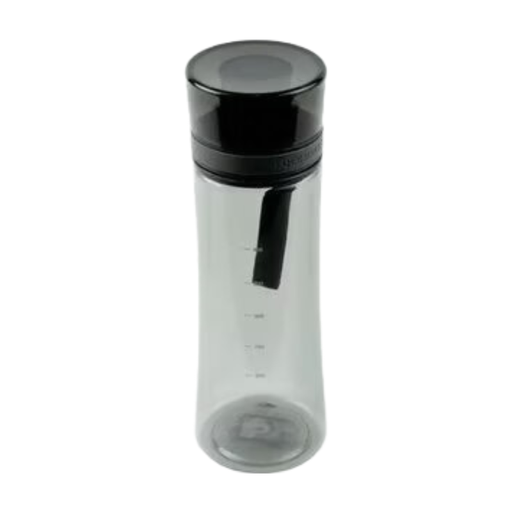
Why it suits this profile: Its compact size makes it a good fit for everyday use, the car, the gym and smaller bags. The built-in spout is designed for one-handed drinking.
The manufacturer specifies BPA-free plastic, a silicone seal and a leakproof lid. The bottle is designed for cold drinks.
480 ml capacity, built-in spout and compact dimensions to fit cup holders and side pockets.
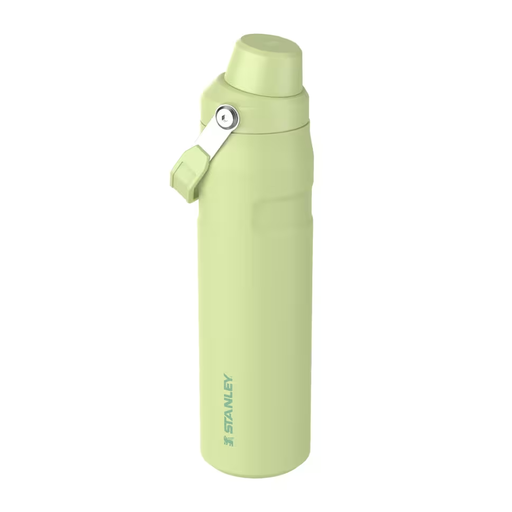
Why it suits this profile: This double-wall stainless steel bottle with vacuum insulation is ideal for taking cold drinks to the gym, on trips or to work.
The product details specify a leakproof cover, a wide drinking spout and a removable cover for separate cleaning. It isn’t designed for fizzy or hot drinks.
600 ml capacity, vacuum insulation, stainless steel construction and dishwasher-safe according to the product details.
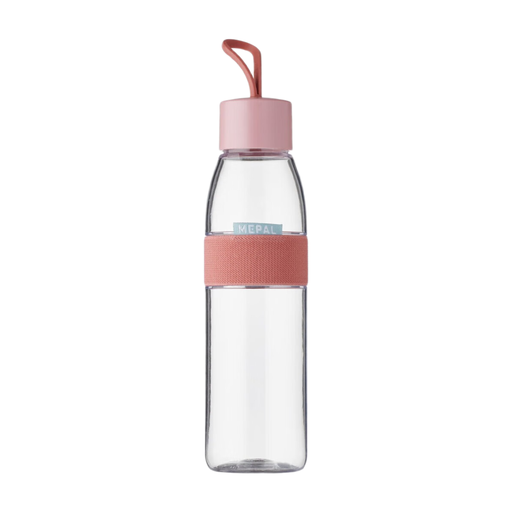
Why it suits this profile: This bottle is designed for work, leisure and life on the go. According to the product details, it can also be used for fizzy drinks, as long as it isn’t filled to the brim.
The product description specifies a leakproof lid and BPA-free materials. The guidance on leaving space for fizzy drinks makes the bottle’s limitations clear.
500 ml capacity, BPA-free design, attached carry loop and dishwasher-safe without the elastic band.
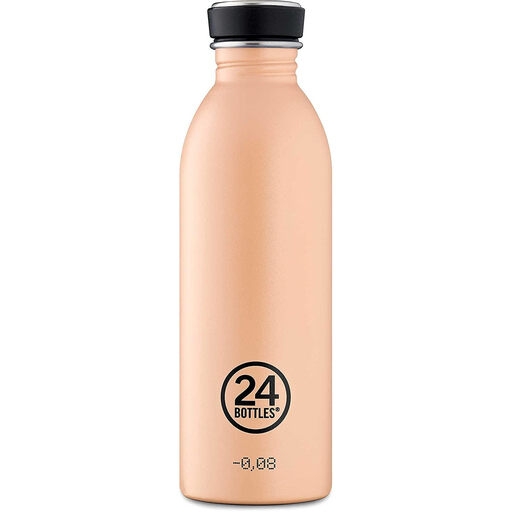
Why it suits this profile: Weighing around 117 g according to the product details, this single-wall stainless steel bottle is a good choice for commuters, travellers and use at the office or gym.
The description clearly states that the bottle isn’t designed for hot or fizzy drinks, the freezer or the dishwasher.
Single-wall stainless steel, around 117 g in weight, 500 ml capacity and a leakproof silicone ring on the lid.
We’ve put together a complete, regularly updated list of products that meet these strict selection criteria and fully comply with the safety regulations in force in the EU.
For short journeys, the office and the car, 400 to 500 ml is often a handy size. A 600 ml water bottle gives you more to drink on your commute or during a workout. A 700 ml bottle is useful if you won’t have a chance to refill for a while. Check the diameter too, to make sure it fits the cup holder you plan to use.
Its lifespan depends on the material, lid and how well you look after it. Replace your bottle if it develops cracks or warps, the seals become damaged, or the lid no longer closes securely. With plastic models, it’s particularly important to follow the manufacturer’s guidance on temperature, dishwasher use and suitable drinks.
Aside from the purchase price, the main costs are water, cleaning products and, where necessary, replacement seals. A water bottle that’s easy to take apart or is dishwasher-safe can make cleaning less of a chore. If your bottle has a sealing ring, check it regularly and replace it when it shows signs of wear.