
Lieferung heute & morgen

Qualitätsgarantie

Willkommens-Angebote freischalten: KOSTENLOSE Lieferung | Bis zu 80 % RABATT | Kostenlose 30-Tage-JoyPlus-Testphase
App herunterladen
A good reusable water bottle is a daily companion—at the office, during sports, or while travelling. But the market is crowded, and many products don't live up to their promises. Instead of a durable solution, you often buy frustration: bottles that leak, are difficult to clean, or develop unpleasant odours after a short time. This guide shows you what to look for to make an informed decision and avoid the three most common buying traps.
Marketing slogans often make big promises, but the devil is in the details. These three issues are the most common sources of disappointment and unnecessary expense.
To avoid these pitfalls, you should check three key aspects before buying. These will determine the durability, safety, and functionality of your future water bottle.
The material affects weight, durability, insulation, and taste.
A leak-proof water bottle depends entirely on the quality of its lid.
Not every bottle is suitable for every purpose.
Here are some recommendations tailored to specific use cases that take the above criteria into account.
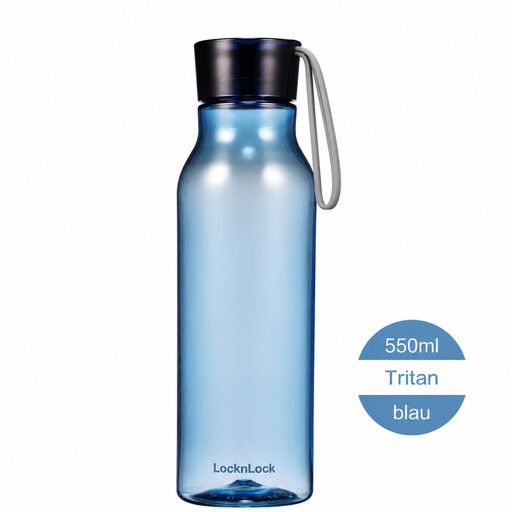
Why it's a great fit: Ideal for daily use at the office, university, or for light activities. A straightforward, lightweight, and reliable bottle for anyone seeking a rock-solid solution without a high cost.
The Tritan material is known for not absorbing odours. The simple screw-top lid is robust, reliably leak-proof, and easy to disassemble for cleaning.
Lightweight, BPA-free, and made from durable Tritan material. The wrist strap enhances portability.
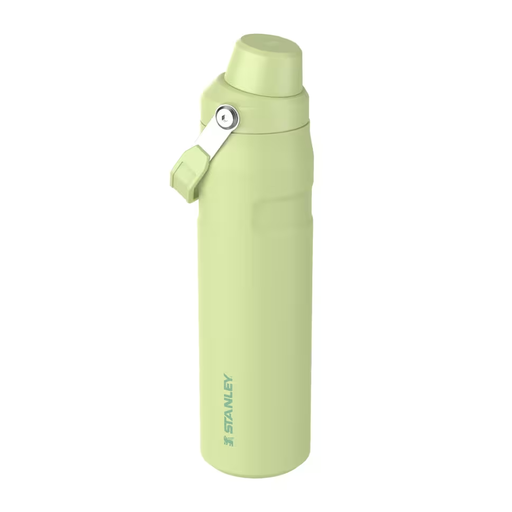
Why it's a great fit: For users with an active lifestyle who need a durable, insulated bottle for the gym, their commute, or day trips. It combines robustness with functionality.
The robust construction and well-designed lid mechanism minimise the risk of leaks. The body, made from recycled stainless steel, prevents odour absorption.
The vacuum insulation keeps drinks cold for up to 10 hours, according to the manufacturer. The leak-proof, high-flow lid is optimised for quick hydration.
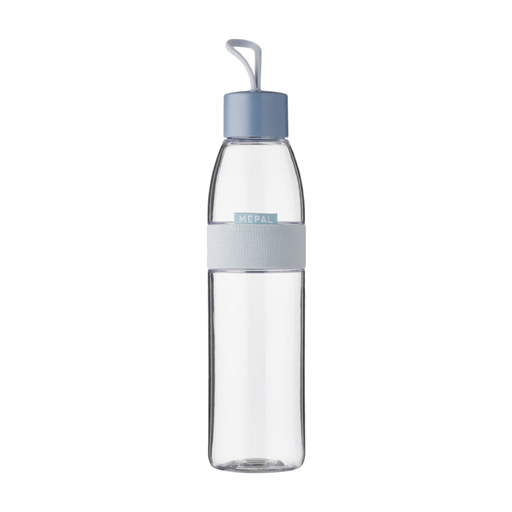
Why it's a great fit: For anyone who doesn't want to give up their sparkling water on the go. This bottle is specifically designed to withstand the pressure and remain sealed.
It is explicitly designated as a bottle for carbonated drinks, thus avoiding the common pitfall of leaks or damage from excess pressure that occurs with standard bottles.
Guaranteed leak-proof even with carbonated beverages. The practical loop keeps the lid attached to the bottle, so it won't get lost.
We have compiled a complete, up-to-date list of products that fully meet these strict selection criteria and safety standards.
For hygienic cleaning, you should rinse the bottle with warm water and a little washing-up liquid after each use. Disassemble the lid as much as possible. Regularly use a bottle brush to reach the bottom and inner walls. Allow all parts to air dry completely before reassembling the bottle to prevent odours and mould. Many bottles are also dishwasher-safe; check the manufacturer's instructions for this.
BPA (Bisphenol A) is an industrial chemical used in the manufacturing of certain plastics. There is concern that BPA can leach from containers into food and beverages. A BPA-free water bottle is made without this chemical. For health-conscious consumers, this is an important criterion to avoid potential chemical exposure.
No. The pressure created by carbonation can damage the lid or overwhelm the seal on bottles not designed for it, leading to leaks. Only use a bottle for carbonated drinks that has been explicitly approved for this purpose by the manufacturer. These models have a specially designed lid that can withstand the pressure.