
Lieferung heute & morgen

Qualitätsgarantie

Willkommens-Angebote freischalten: KOSTENLOSE Lieferung | Bis zu 80 % RABATT | Kostenlose 30-Tage-JoyPlus-Testphase
App herunterladen
A reusable water bottle should stay leakproof when you are out and about, feel comfortable in your hand and be easy to clean. In practice, however, poor purchases are not caused solely by the material or design. Details such as the closure, temperature suitability and actual care requirements often determine whether a bottle remains a good fit for your everyday routine.
The description leakproof water bottle says little about the actual construction on its own. The key factors are:
Many sports bottles can build up pressure when used with carbonated or fermenting drinks. This may cause the lid to leak or come loose. A bottle designed for water and still drinks is therefore not automatically suitable for fizzy drinks.
A thermos flask or insulated bottle with double-wall vacuum insulation is designed for hot and cold drinks. A standard plastic bottle, on the other hand, may only be suitable for cold or room-temperature drinks, depending on the model. Claims such as “keeps drinks cold” should therefore always be considered alongside the material, type of closure and permitted temperature range.
A thermal mug or travel mug is not necessarily suitable for carrying in a bag either. Some lids merely prevent splashes, while others are described by the manufacturer as leakproof. This difference is particularly important for commuters.
A narrow bottle neck can make filling easier, but it often makes cleaning more difficult. Lids with straws, valves or several sealing rings require especially regular care. If you use the bottle every day at work, school or during sport, check the following before buying:
For short journeys, 350 to 500 ml is often sufficient. These sizes fit more easily into bags, backpacks and many car cup holders. For long working days, hikes or training sessions, 550 to 730 ml may be more suitable. However, a larger capacity generally means greater weight and takes up more space.
Also pay attention to the diameter and height. A 730-ml sports bottle measuring around 245 mm in height needs more room than a compact 500-ml water bottle for when you are out and about.
A stainless steel water bottle is durable and can provide insulation when it has a double-wall design. However, stainless steel models are not automatically dishwasher-safe. Vacuum-insulated bottles are often intended to be washed by hand.
Tritan and other BPA-free plastic bottles are lightweight and transparent. They are particularly suitable for sport, school and commuting when you do not intend to fill them with hot drinks. Always check the stated temperature range. Some models are designed only for cold and room-temperature drinks.
Glass can be neutral in taste and lets you see the contents clearly. However, it is more vulnerable to impacts. A BPA-free statement refers to the specified material composition and does not replace checking the care instructions or product information.
For contact with food, information on the applicable EU legislation and intended use should be provided, such as a reference to Regulation (EC) No 1935/2004 or material-specific requirements. If important information is missing, it is wise to be cautious before buying.
A screw top is generally straightforward in design. A one-touch lid, on the other hand, allows quick use during training but requires a properly functioning lock. Straws make it easier to drink while moving, but they are additional parts that need cleaning.
Hot drinks pose a risk of burns. Carbonated drinks can create pressure. Always follow the relevant manufacturer's warnings, and only carry a bottle on its side if it has been expressly designed for this.
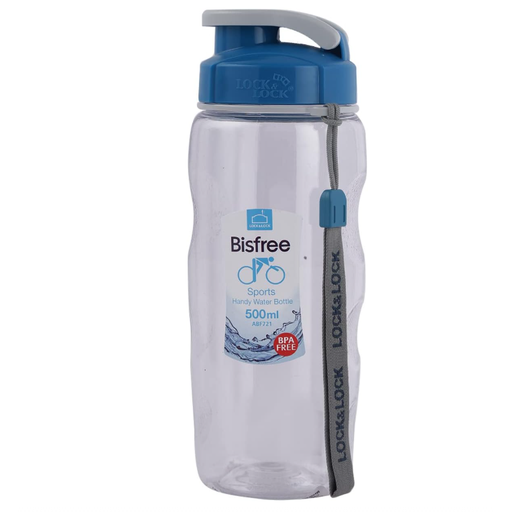
Why this product suits this profile: This 500-ml transparent plastic bottle is lightweight and suitable for everyday use, fitness, travel and short journeys.
The product information states that the lid is leakproof and also specifies that hot liquids above 50 °C should not be poured in.
500 ml capacity, low weight and transparent design; intended to be washed by hand with warm water and mild soap.
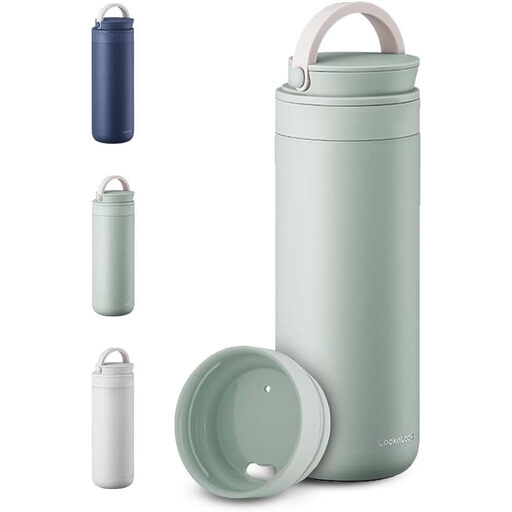
Why this product suits this profile: This double-wall stainless steel tumbler combines vacuum insulation with two openings: a narrow drinking opening and a wide opening for ice and cleaning.
The wide opening makes thorough cleaning easier. According to the product information, the screw top is leakproof; carbonated drinks and dry ice are not suitable.
BPA-free, rust-resistant stainless steel design with an integrated carrying handle; hand wash only, not suitable for the dishwasher, microwave or oven.
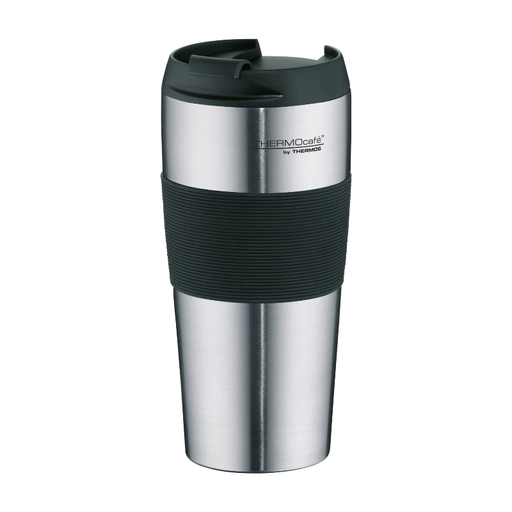
Why this product suits this profile: This thermal mug is designed for commuting, the office, travel and outdoor use, and according to the product information it can be cleaned in the top rack of the dishwasher.
The flip-top lid is designed for one-handed use. Make sure the lid is securely closed before carrying it; it is not suitable for the microwave or freezer.
Double-wall stainless steel, BPA-free materials and a stated heat-retention time of up to 4 hours, as well as a cold-retention time of up to 8 hours.
We have put together a complete, regularly updated list of products that fully meet these strict selection criteria and the safety regulations applicable in the EU.
The lifespan of a reusable bottle depends largely on cleaning and the condition of the seal. Rinse out any leftover drink after every use. The lid, straw and silicone ring must be allowed to dry completely before storing the bottle closed.
Do not use abrasive cleaners or metal brushes on plastic or coated surfaces. Strong chlorine-based cleaners can damage stainless steel surfaces and seals. In everyday use, a soft bottle brush, warm water and a mild cleaning product are usually all you need. If you notice visible cracks, damaged seals or a persistent change in odour, replace the affected component or the bottle.
For work and school, 400 to 650 ml is often practical. A BPA-free plastic bottle is lightweight and convenient for cold drinks. If you want to take tea or coffee with you, choose an insulated stainless steel mug or a thermos flask with a suitable closure instead.
The sealing ring must sit correctly in its groove, and the lid should be fully closed or locked. Overfilling can affect the seal. Carbonated drinks should only be added if the manufacturer expressly states that they are suitable.
Stainless steel is suitable for robust, insulated bottles and thermal mugs. Plastic models made from Tritan or comparable materials are generally lighter and transparent. The right choice depends on temperature, weight, cleaning and the level of insulation you want – not simply on the name of the material.