
Lieferung heute & morgen

Qualitätsgarantie

Willkommens-Angebote freischalten: KOSTENLOSE Lieferung | Bis zu 80 % RABATT | Kostenlose 30-Tage-JoyPlus-Testphase
App herunterladen
A reusable water bottle replaces single-use bottles in the office, on your commute, during sport or when travelling. At first glance, the choice seems straightforward: capacity, colour and closure type are usually the main focus. In practice, however, other details determine whether a drinking bottle remains genuinely fit for everyday use.
Three common buying mistakes frequently lead to poor decisions:
A BPA-free drinking bottle is a basic requirement for many buyers. Among the models available, BPA-free plastics such as Tritan, polypropylene and PCTG are used. Tritan is often chosen for its transparent appearance and light weight. You should still check the product details: some bottles are only suitable for cold or room-temperature drinks up to 50 °C or 60 °C respectively.
A stainless steel drinking bottle, on the other hand, is often designed for both hot and cold drinks. Double-walled models also feature vacuum insulation. This can keep the temperature stable for several hours, but usually makes the bottle heavier than a plastic version.
It is also important to note the information on food-contact suitability, temperature limits and use with carbonated drinks. A BPA-free bottle is not automatically suitable for boiling water, the freezer, the microwave or carbonated beverages.
A leak-proof water bottle should be assessed on these features before you buy:
For sports bottles with one-handed operation, an additional safety lock is practical. With screw caps, the seal depends heavily on the correct placement of the sealing ring. Carbonation can increase internal pressure, so it is only suitable for models designed for it.
For everyday use, many models range from 400 to 730 ml. A compact 380 ml or 400 ml bottle is ideal for short trips, children, small bags or the car cup holder. 500 to 550 ml is a balanced size for the office, commuting and short exercise sessions. 650 to 730 ml offers more reserve for longer activities, but requires more space accordingly.
Cleaning is also part of the buying decision. A dishwasher-safe drinking bottle reduces the effort, although individual parts such as seals, loops or elastic bands may be excluded. For hand-wash models, a wide opening, a soft bottle brush and a fully disassemblable closure are preferable. After washing, the bottle should be left to dry open so that as little moisture as possible collects inside.
The following recommendations assign specific models by area of use and verifiable product features. Information on temperature ranges, cleaning and leak-proofing refers to the respective product details.
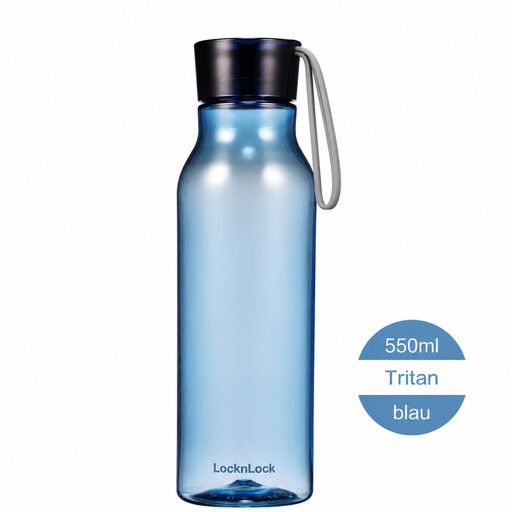
Why this product suits the profile: The 550 ml bottle made from BPA-free Tritan is lightweight and designed for cold drinks from -20 to 60 °C. The screw cap and carry loop are ideal for the office, commuting and everyday use.
The product details mention BPA-free Tritan and a leak-proof closure. The recommended hand washing also makes the care requirements transparent.
550 ml capacity, lightweight at around 110 g and a carry loop; not intended for hot or carbonated drinks.
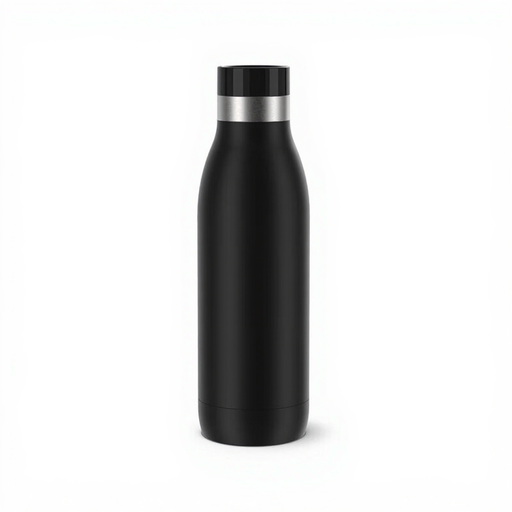
Why this product suits the profile: The stainless steel bottle is designed for hot and cold drinks and, according to the product details, features insulation and a Quick-Press 360° closure.
The details state dishwasher-safe cleaning and a leak-proof closure. This makes the cleaning effort clearer than with hand-wash-only models.
Stainless steel construction, 500 ml capacity and, according to the product description, up to 12 hours hot and 24 hours cold retention.
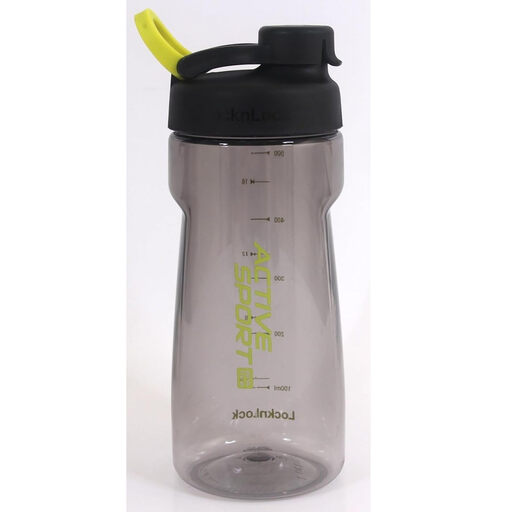
Why this product suits the profile: The larger capacity is aimed at training, outdoor activities and longer journeys. The one-touch lid with safety clip is designed for frequent use.
The safety clip reduces the risk of the lid opening accidentally. The product details also indicate hand washing, temperature limits and the exclusion of carbonated drinks.
730 ml volume, around 145 g weight, BPA-free Tritan and a temperature range of -20 to 60 °C according to the product description.
We have put together a complete, regularly updated list of products that fully meet these strict selection criteria and the safety regulations in force in the EU.
Even a durable water bottle for on the go needs regular care:
For the office and sport, a sports bottle with a one-handed closure can be practical. If you transport tea or coffee, however, you should choose an insulated bottle or a thermal mug with the appropriate temperature approval. A standard plastic container is not automatically suitable for hot drinks.
It should be rinsed after each use and cleaned thoroughly with washing-up liquid on a regular basis. The closure, mouthpiece and silicone seal require particular attention. For drinks other than water, cleaning immediately after use is advisable.
The lifespan depends on the material, usage and care. Stainless steel can be used for a long time with careful handling. Plastic bottles should be replaced if they develop cracks, deep scratches, deformation or persistent odours. A damaged sealing ring can also compromise leak-proof performance.
For users who want to keep cleaning effort to a minimum, it can be practical. However, you must follow the manufacturer's instructions before putting it in the dishwasher: on some models, elastic bands or seals may not be machine-safe. If you use a drinking bottle for the office and sport daily, you should therefore consider the cleaning properties at the time of purchase.