
Lieferung heute & morgen

Qualitätsgarantie

Willkommens-Angebote freischalten: KOSTENLOSE Lieferung | Bis zu 80 % RABATT | Kostenlose 30-Tage-JoyPlus-Testphase
App herunterladen
A reusable water bottle can replace single-use bottles at the office, on your commute, when travelling or during exercise. But not every bottle is a good fit for everyday use. People often choose products based on colour, brand name or a single marketing claim, while paying too little attention to the lid, cleaning requirements and temperature range.
A leak-proof water bottle needs more than a cap that looks secure. It relies on a correctly fitted sealing ring, a sturdy lid and a design suited to the drink inside. On screw-top lids, a displaced silicone ring can compromise the seal. With sports lids, check the mouthpiece and locking mechanism regularly.
The contents matter too: carbonated drinks can build up pressure in bottles not designed for them. Some models are specifically intended for cold or room-temperature drinks only.
A BPA-free water bottle isn’t automatically suitable for hot drinks, the dishwasher or the freezer. Different types of plastic vary in heat resistance, scratch resistance and care requirements. So check “BPA-free” claims alongside the permitted temperature range and cleaning instructions.
An insulated water bottle will keep drinks hot or cold for different lengths of time, depending on its design. Performance depends on factors such as how full the bottle is, the drink’s starting temperature and the surroundings. Treat manufacturers’ insulation claims as a guide to intended use, not a guarantee for every situation.
A stainless steel water bottle with double-wall vacuum insulation is a good choice if you want to carry hot or cold drinks for longer. Stainless steel is hard-wearing, but it can be heavier. If the insulation layer is damaged, stop using the bottle.
Tritan and other suitable plastics are often lighter and transparent, making them practical for sport, commuting and travel. However, they often have stricter temperature and care limits. Check whether the bottle is dishwasher-safe and whether it should only be used for cold drinks.
A 500 ml water bottle usually fits easily into smaller bags, rucksacks and many cup holders. A 600 ml water bottle gives you a little more capacity for longer journeys, workouts or days out. The diameter and height matter too: even if the capacity is right, a tall bottle may not fit in every car or bike holder.
For families, the office and longer outings, 650 to 730 ml may be a good choice. A smaller size is easier for children to carry or for short journeys. Avoid keeping the bottle overfilled, as this can put extra strain on the lid and seal.
A dishwasher-safe water bottle can save you time, as long as all the relevant parts are suitable for the dishwasher. Some models require seals, elastic bands or filters to be washed separately by hand. A wide opening makes it easier to add ice cubes and check inside the bottle.
Dry the bottle and lid completely, preferably separately. Check mouthpieces, filters and silicone seals regularly for odours, cracks or distortion, and replace them according to the manufacturer’s instructions.
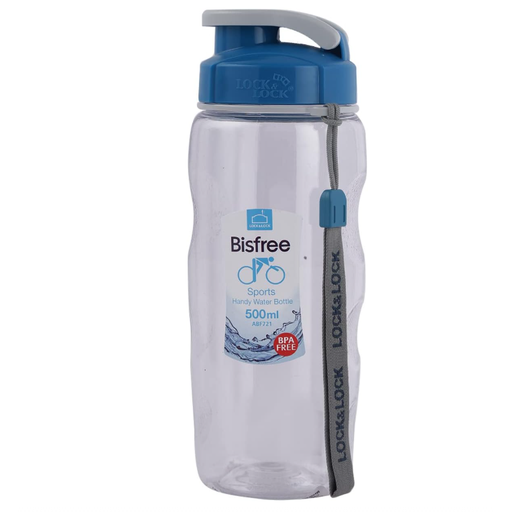
Why it suits this profile: The compact 500 ml size is ideal for the office, gym and short journeys. According to the product information, the bottle is made from plastic and silicone and has a leak-proof lid.
Make sure the lid is fully closed before carrying the bottle. The maximum temperature of 50 °C clearly limits how it can be used.
500 ml capacity, a transparent design and a lightweight build for everyday use.
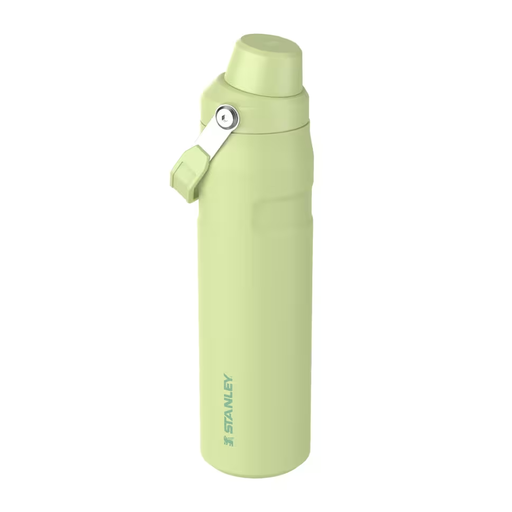
Why it suits this profile: According to the product information, this stainless steel water bottle combines double-wall vacuum insulation with a fast-flow lid, a carry handle and dishwasher-safe parts.
The wide opening makes cleaning easier. According to the product information, the bottle is not designed for carbonated drinks.
600 ml capacity, a weight of 370 g and, according to the product information, keeps drinks cold for up to 10 hours and iced drinks cold for up to two days.
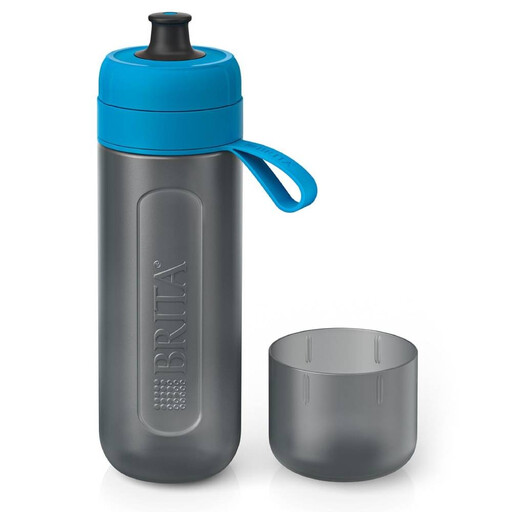
Why it suits this profile: For travellers and anyone with regular access to tap water, this water filter bottle features an integrated MicroDisc system and a sports lid with a carry strap.
According to the product information, the filter must be replaced after four weeks or 150 litres at the latest. Follow the care instructions when cleaning the filter and bottle.
BPA-free plastic, 600 ml capacity and, according to the product information, dishwasher-safe bottle parts when the filter is removed.
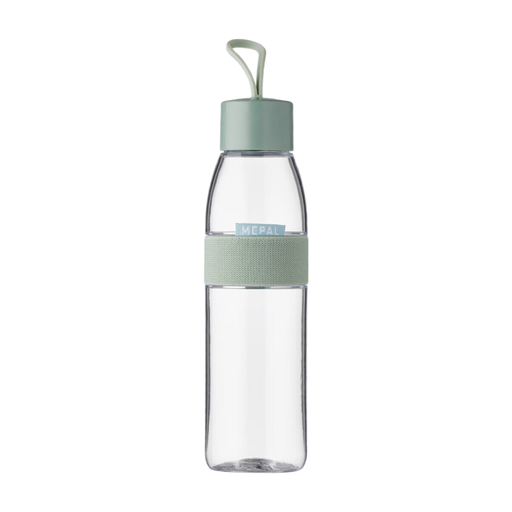
Why it suits this profile: Its slim design and lid loop make it easy to carry in a bag, keep on your desk or take on your daily commute. According to the product information, the bottle is BPA-free and suitable for carbonated drinks.
According to the product information, leave some space at the top when filling the bottle with carbonated drinks. Remove the elastic band before putting the bottle in the dishwasher.
500 ml capacity, a weight of 110 g and, according to the product information, a dishwasher-safe bottle when the elastic band is removed.
We’ve put together a complete, regularly updated list of products that meet these strict selection criteria and fully comply with the safety regulations in force in the EU.
Ideally, rinse it after every use and clean it regularly with warm water and mild washing-up liquid. Pay particular attention to the lid, mouthpiece and sealing ring, as moisture can collect there. For dishwasher-safe models, check any restrictions for filters, elastic bands and lid components.
For short journeys, 400 to 600 ml is usually a handy size. A water bottle for on the go should close securely and fit in your bag or cup holder. If you want to carry cold drinks for several hours, an insulated stainless steel bottle could be a good choice. If you want to improve the taste of tap water, consider a filter bottle, as long as you replace the filter regularly.
Its lifespan depends on the material, lid and care. There’s no single lifespan that applies to every model. Replace the bottle if it develops cracks, becomes distorted, retains odours or has a damaged seal. With vacuum-insulated bottles, a loss of insulation performance may indicate damage.