
Lieferung heute & morgen

Qualitätsgarantie

Willkommens-Angebote freischalten: KOSTENLOSE Lieferung | Bis zu 80 % RABATT | Kostenlose 30-Tage-JoyPlus-Testphase
App herunterladen
By the Joybuy Product Recommendation Officer, 28 August 2026
RGB LED lighting promises to transform any room into an atmospheric oasis with a single click. Whether as indirect lighting in the living room, a dynamic gaming lamp, or a colourful accent in the bedroom—the possibilities seem endless. However, the market is flooded with products of widely varying quality. Many buyers soon discover that their supposed bargain comes with expensive problems. Before you invest, you should know the three most common pitfalls often hidden behind glossy product photos.
To avoid these problems, it's crucial to focus on a few key technical specifications instead of being swayed by marketing promises.
The uniformity and brightness of a light strip depend directly on the LED density (number of LEDs per metre) and the LED type used.
The type of connection determines how conveniently and reliably you can control your RGB LED lighting.
Modern lighting solutions offer more than just static colours. Two features are particularly relevant here:
Based on these objective criteria, we have identified several products suitable for different user groups and their specific requirements.
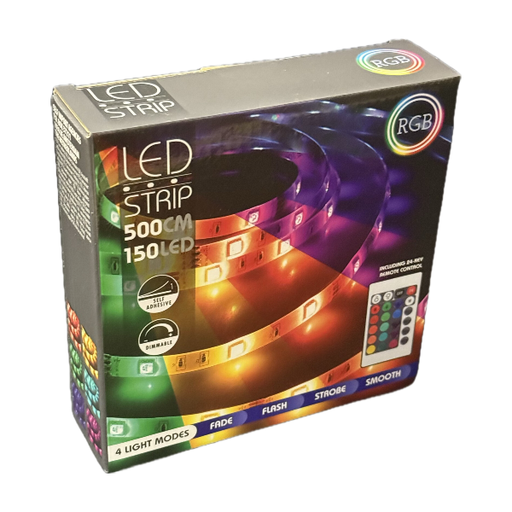
Why it's a great fit: Ideal for users looking for a straightforward and affordable solution for basic mood lighting. Perfect for illuminating a desk, TV stand, or shelf without a complex smart home setup.
This kit bypasses the unstable app control pitfall by relying on a tried-and-true infrared remote. Operation is direct and requires no Wi-Fi connection or software updates.
Simple plug-and-play installation with a self-adhesive backing. Everything you need (strip, power adapter, remote) is included in the box.
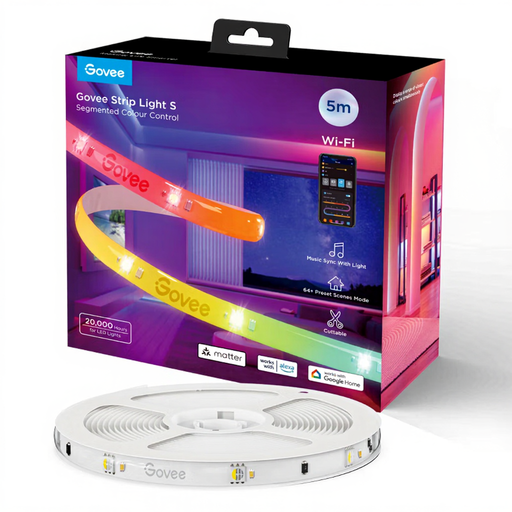
Why it's a great fit: For users who want seamless integration into their existing smart home ecosystem (Apple Home, Google, Alexa) and future-proof technology. The RGBIC function also enables creative and dynamic lighting effects.
Matter certification directly addresses the problem of unstable connectivity by using a reliable, multi-vendor standard. The protective coating indicates higher-quality materials.
Universal smart home compatibility through Matter and advanced RGBIC technology for multi-colour gradients on a single strip.
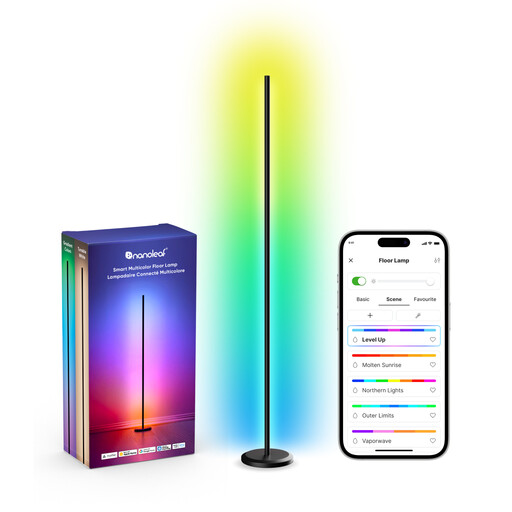
Why it's a great fit: This floor lamp is more than just an accent light. It's a dedicated gaming lamp designed for immersive experiences, projecting dynamic colour gradients onto the wall and syncing with on-screen action or music.
As a dedicated premium product from an established manufacturer, it avoids the pitfalls of poor brightness and colour accuracy. The software is a core part of the product and is engineered for gaming performance.
RGBIC technology for dynamic colour gradients, music sync, and screen mirror features for a fully immersive experience. Matter support ensures compatibility.
We've compiled a complete, real-time updated list of products that fully meet these strict selection criteria and UK safety regulations.
LED technology is very energy-efficient. A typical 5-metre LED strip consumes between 15 and 30 watts, depending on the brightness and colour. With four hours of daily use, the annual electricity costs are often only a few pounds, assuming an electricity price of 25p/kWh. You can find the exact power consumption (in watts) in the product specifications.
Most LED strips can be cut at designated points. These are usually marked with a scissor icon and copper contacts. Cutting at an unmarked spot will destroy the circuit and cause the severed segment to stop working. Always follow the manufacturer's instructions.