
Lieferung heute & morgen

Qualitätsgarantie

Willkommens-Angebote freischalten: KOSTENLOSE Lieferung | Bis zu 80 % RABATT | Kostenlose 30-Tage-JoyPlus-Testphase
App herunterladen
The right lighting can completely transform the atmosphere of a room. Whether for an immersive gaming experience, a relaxed mood in the living room, or as a creative decorative element, an RGB LED strip offers flexible and colourful possibilities. However, with the vast array of options available, making a choice can be complex. This guide serves as a reference, introduces key selection criteria, and presents a selection of products to make your decision easier.
To find the right solution for your project, several technical features should be considered. These three points will help you evaluate a product's functionality and suitability.
The method of control determines the ease of use. Simple models often come with an infrared remote. More advanced versions offer app-controlled LED strip functionality via Bluetooth or Wi-Fi. An app typically allows for more precise colour adjustments, scheduling, and access to predefined light scenes. A smart light strip that connects via Wi-Fi can also be integrated into existing systems like Amazon Alexa or Google Assistant and controlled by voice command.
The core function of an RGB LED strip is its colour-changing capability. Modern products often offer millions of colour tones and adjustable brightness levels. For dynamic effects, the music synchronisation feature is key. A music sync LED strip has a built-in microphone that detects ambient sounds or music and adapts the light effects to the rhythm in real time. This is a particularly sought-after feature for gaming setups or party rooms to create an immersive environment.
Before buying, you should measure the installation area precisely. LED strips are available in various lengths and can often be cut at marked points. For easy installation, most strips are self-adhesive on the back. Ensure the surface is clean, dry, and smooth. Specific applications like TV backlighting reduce eye strain and improve the screen's perceived contrast. For broad indirect room lighting, longer strips installed along ceiling edges or behind furniture are ideal.
Here is a roundup of various RGB lighting products that cater to different needs and applications.
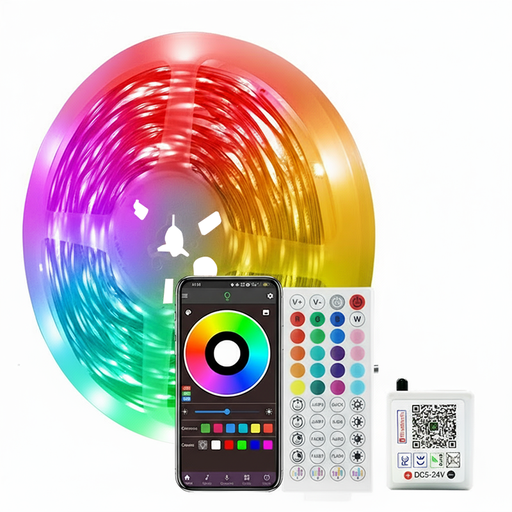
Why it stands out: This 10-meter LED strip offers a generous length for illuminating larger rooms or long surfaces. The dual control option via app and remote control ensures great flexibility in operation.
Pros:
Who is it for? Users looking for a straightforward solution for lighting large areas, such as in the living room or bedroom. The combination of app and remote control appeals to those who value flexibility.
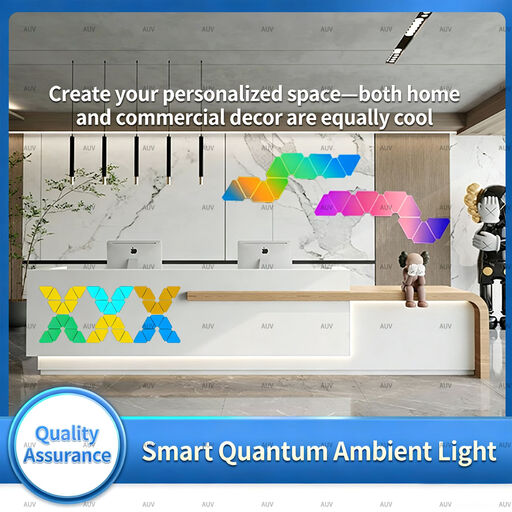
Why it stands out: Instead of a traditional strip, this system consists of modular, triangular panels. These can be assembled into custom patterns, creating a decorative gaming LED setup in the form of wall art.
Pros:
Who is it for? Gamers, content creators, and creative individuals who want to design a visually striking and customisable wall lighting for their setup or living space.
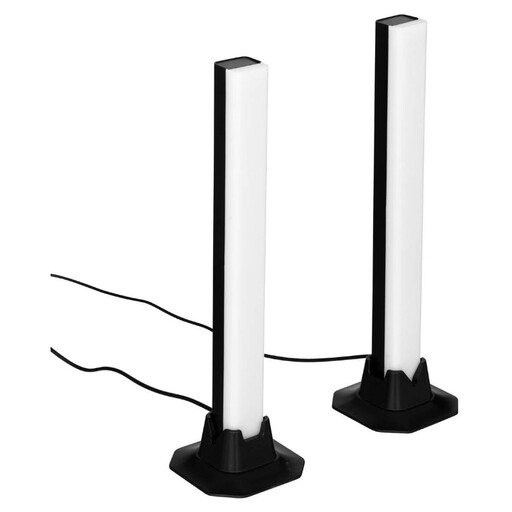
Why it stands out: This set consists of two freestanding light bars that require no permanent installation. They can be placed flexibly to create targeted accents, for example, next to a monitor, television, or on a shelf.
Pros:
Who is it for? Users who prefer simple and flexible accent lighting without the hassle of installation. Ideal for desks, TV sideboards, or shelves.
If our selection didn't include the right model for your project, you can find a wider range of lighting solutions.
Discover more lighting options with remote control and find the right solution for your home.
Most LED strips are self-adhesive. Thoroughly clean the intended surface of dust and grease to ensure the adhesive bonds optimally. Peel off the protective film and press the strip down firmly. Then, connect it to the controller and the power adapter.
Yes, many LED strips can be cut with standard scissors at the designated markings (often indicated by a scissor icon). Note that the cut-off section can typically only be reused with special connectors.
With a standard RGB strip, all LEDs always light up in the same colour. You can change the colour of the entire strip, but not colour individual segments differently. RGBIC (Independent Chip) strips have an additional IC chip that allows multiple colours to be displayed simultaneously on a single strip. This enables dynamic effects like rainbow gradients or chasing light animations.