
Lieferung heute & morgen

Qualitätsgarantie

Willkommens-Angebote freischalten: KOSTENLOSE Lieferung | Bis zu 80 % RABATT | Kostenlose 30-Tage-JoyPlus-Testphase
App herunterladen
An RGB LED strip can transform a space, turning a simple room into a dynamic backdrop for gaming, work, or relaxation. However, the market is flooded with products whose performance claims often don't match reality. Many buyers are frustrated by diminishing brightness, unreliable adhesive strips, or buggy apps. This guide will help you avoid these pitfalls and make an informed decision.
Before you invest, you should be aware of the three most common flaws found in low-quality LED strips, which often only become apparent after a few weeks of use.
To avoid the problems mentioned above, you should check a few technical parameters before buying. These are crucial in determining the quality, longevity, and functionality of your LED strip.
The quality of the light depends directly on the type of LED used. The most common designations are 5050 or 2835. These numbers describe the size of the LED chip in millimetres (e.g., 5.0 mm x 5.0 mm).
These abbreviations define how the colours on the strip are controlled. The choice has a major impact on the possible lighting effects.
The method of control determines convenience and customisation options.
Here are some recommendations tailored to different user profiles and requirements.
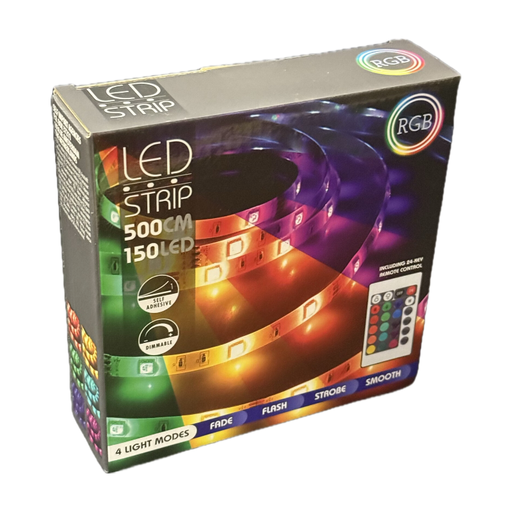
Why This Fits Their Persona: Ideal for users who want to gain their first experience with accent lighting without any hassle. With a 5m length, this kit is perfect for lighting a desk, a shelf, or for TV backlighting, without requiring a complex app setup.
This kit bypasses the buggy app trap by relying on a proven infrared remote control. The control is direct, reliable, and independent of Wi-Fi or Bluetooth connections.
An all-in-one kit including a power adapter and remote for quick setup. The 5050 SMD LEDs provide good brightness and colour rendering for this price point.
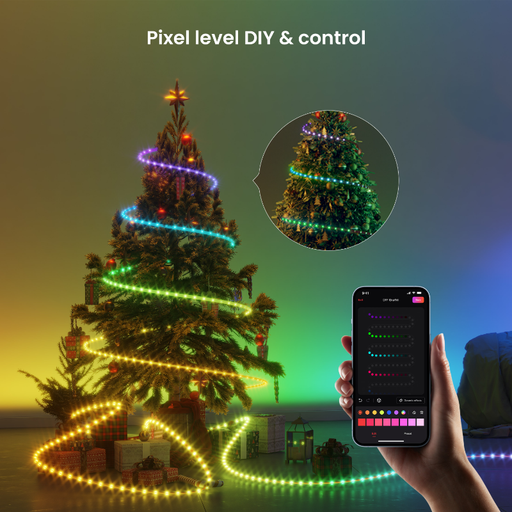
Why This Fits Their Persona: Designed for immersive experiences. The RGBIC technology enables dynamic, multi-colour effects that are essential for a gaming room. Integration with gaming ecosystems like Razer Chroma and Overwolf syncs the lighting directly with in-game action.
Yeelight is known for its stable software ecosystem. The app is mature and reliable, avoiding the pitfall of unstable control. The high-quality components ensure consistent colour reproduction.
Supports addressable RGBIC effects and can be synchronised with popular gaming hardware. The system is also expandable to accommodate larger setups.
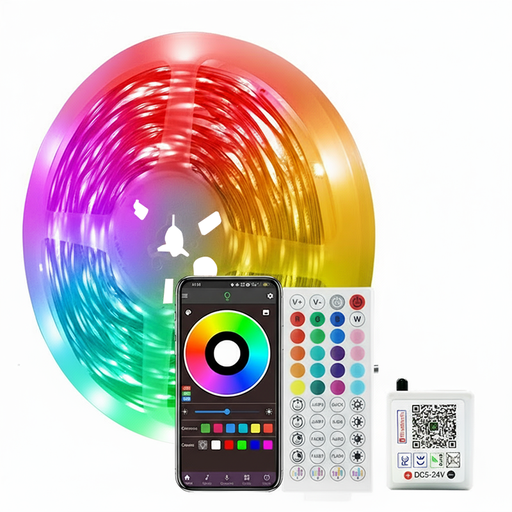
Why This Fits Their Persona: With a total length of 30m, this strip is ideal for illuminating entire rooms, long hallways, or for mounting along ceiling edges to create comprehensive indirect lighting. The app control allows for programming schedules for an automated home ambiance.
This model is designed as an all-in-one solution for large areas and includes a suitable power supply that provides stable power over the long distance. This prevents the brightness drop-off that can occur with improperly extended shorter strips.
Extra-long length for extensive projects. Dual control via app and remote offers flexibility. The timer function and music sync make it a versatile solution for everyday use and special occasions.
We've compiled a complete, up-to-date list of products that fully meet these strict selection criteria and German safety regulations.
1. Can you cut an LED strip? Yes, most LED strips can be cut. Look for the designated markings, which are usually found every few centimetres on the strip (often indicated by a scissor icon). Only cut at these marked points, otherwise you will damage the circuit paths and render the segment unusable.
2. What's the difference between RGB and RGBIC? A standard RGB strip can only display a single colour across its entire length at one time. An RGBIC strip, on the other hand, has integrated chips (IC) that allow multiple colours to be displayed simultaneously on different sections of the strip. This enables dynamic, flowing light effects like rainbow gradients, which are not possible with RGB strips.
3. How much power does an LED strip use? Power consumption is very low compared to conventional light sources. It depends on the length of the strip, the number of LEDs, the LED type, and the set brightness. A typical 5m strip often consumes between 15 and 30 watts at full brightness. You can find precise details in the technical specifications of the respective product.