
Lieferung heute & morgen

Qualitätsgarantie

Willkommens-Angebote freischalten: KOSTENLOSE Lieferung | Bis zu 80 % RABATT | Kostenlose 30-Tage-JoyPlus-Testphase
App herunterladen
As a Joybuy Product Recommendation Officer, I see every day just how diverse the market for RGB lighting has become. From simple light strips to complex, networked systems—the selection is vast. But this variety also has its pitfalls. Many products promise more than they deliver, leading to disappointment and unnecessary expense. This guide will help you navigate the common traps and make an informed decision.
Before you invest, you should be aware of the three most common problems that occur with low-quality RGB products:
To avoid these problems, focus on a few core technical specifications. These determine the quality and longevity of your RGB lighting.
The type of control defines how you interact with your lighting daily. Check which options a product offers:
A combination of several control methods offers the greatest flexibility for different use cases.
Not all LEDs are created equal. Two factors are critical for visual quality:
Modern RGB systems offer more than just static colours. Features like music sync lights can elevate a party or gaming room decor. There are two common technologies here:
For creative installations, modularity is a key factor. Systems like a gaming LED wall light, which consist of individual, combinable panels, allow for customisation of shape and size.
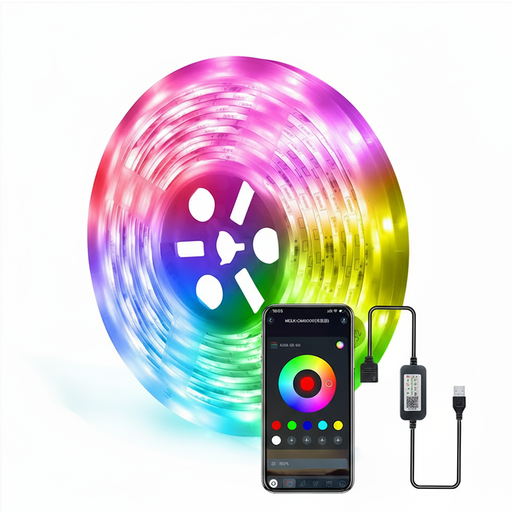
Why This Fits Their Persona: Ideal for users looking for a straightforward and cost-effective solution for TV backlighting or initial accents in a gaming room. The USB power supply eliminates the need for a separate power adapter and allows direct connection to TVs or consoles.
It sidesteps the pitfall of unstable controls by offering a functional app that provides music synchronisation in addition to colour selection. The simple installation and power supply minimise technical hurdles.
5V USB-Powered: Can be operated from any USB port. App Control with Music Mode: Offers more features than a simple remote control.
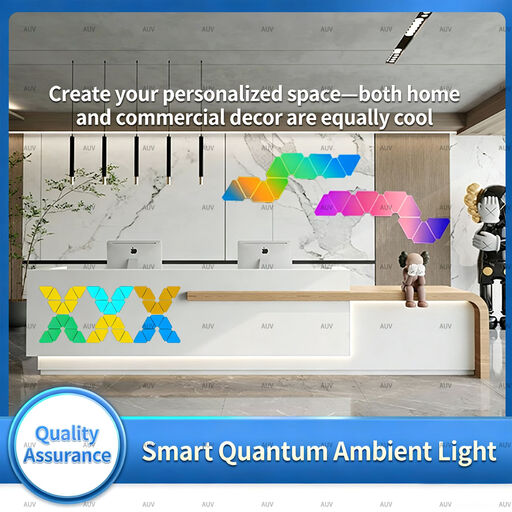
Why This Fits Their Persona: Perfect for users who want to create unique wall decor. The modular triangular panels can be arranged in any pattern, becoming the visual centrepiece in a gaming room or living area.
This system is designed as a statement piece, avoiding the trap of "invisible" or overly dim lighting. It offers both app and remote control, ensuring reliable operation for its numerous effects.
Modular DIY Design: Allows for countless creative layouts. Music Sync and Scene Modes: Creates a dynamic and immersive atmosphere.
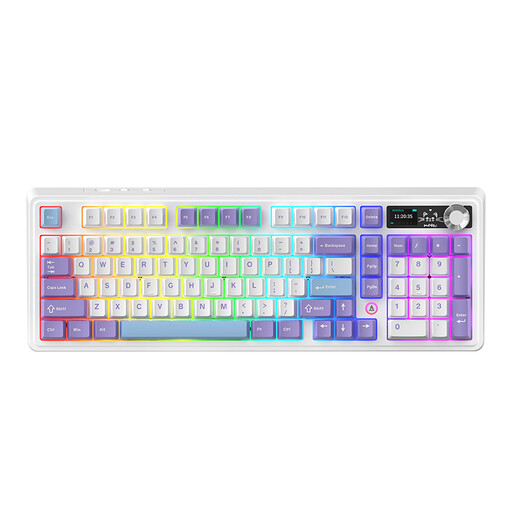
Why This Fits Their Persona: For gamers who prioritise performance and customisation. This keyboard is more than just lighting—it's a core tool with high-quality mechanical switches, versatile connection modes, and extensive customisation options.
This product bypasses the pitfalls of short lifespans and unstable control through robust construction, high-quality components (e.g., PBT keycaps), and reliable tri-mode connectivity (Wired, Bluetooth, 2.4G).
Hot-Swappable Switches: Allows for switch replacement without soldering. TFT Display and Rotary Knob: Provide quick access to settings and status information.
We have compiled a complete, up-to-date list of products that fully meet these strict selection criteria and rigorous safety standards.
1. How much power does RGB lighting consume? Power consumption depends heavily on the product and its usage. A 5-metre RGB LED strip typically consumes between 15 and 30 watts at full brightness. Peripherals like an RGB keyboard or an RGB mouse pad require significantly less, usually under 5 watts. Thanks to modern LED technology, consumption is very low compared to traditional light sources.
2. Can you cut or extend LED strips? Yes, most LED strips can be cut. They have marked cutting points, usually every few centimetres. Extending them is also possible but often requires special connectors and potentially a more powerful adapter to avoid voltage drop and brightness loss at the end of the strip. Always refer to the manufacturer's instructions for this.
3. What is the difference between RGB, RGBW, and RGBIC? These acronyms describe the type of LEDs: