
Lieferung heute & morgen

Qualitätsgarantie

Willkommens-Angebote freischalten: KOSTENLOSE Lieferung | Bis zu 80 % RABATT | Kostenlose 30-Tage-JoyPlus-Testphase
App herunterladen
The right RGB lighting can transform any space—from a gaming room to a living room or a workspace. But the market is flooded with products whose marketing promises often outshine the lights themselves. Many buyers quickly discover that the adhesive on LED strips fails, the colours are inconsistent, or the app control is unreliable.
This guide will help you avoid common pitfalls and understand the technical features that are crucial for durable and functional smart lighting. This way, you can make an informed decision that fits your needs.
Before you make a purchase, you should be aware of three common flaws that often only become apparent after installation:
To avoid the problems mentioned above, you should pay attention to a few key technical parameters. These determine the quality, functionality, and longevity of your new lighting.
The type of LEDs used is crucial for the visual effects.
The control method should match your usage habits.
Not every RGB solution is a strip. Depending on the application, other form factors may be more suitable.
Here are some selected products tailored to specific needs and use cases.
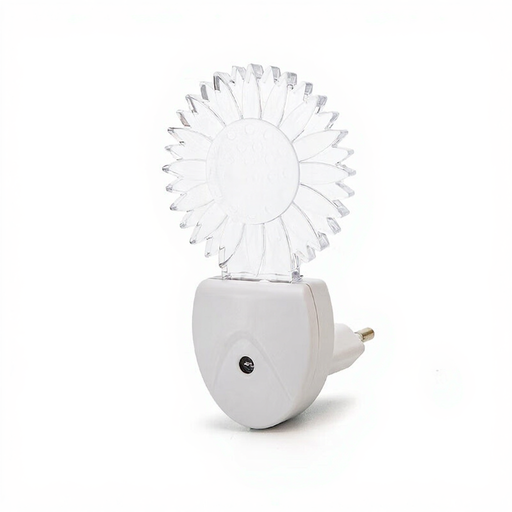
Why This Fits Their Persona: Ideal for parents looking for a safe and straightforward colour-changing LED night light for a child's room. Just plug it into the socket, and you're done. The sensor does the rest.
This product bypasses the typical problems of LED strips as it requires no adhesive surfaces or complex app integration. It's a robust plug-in device for a clear purpose.
Automatic day-night sensor that activates the light in darkness (below 20 LUX). Very low energy consumption of just 0.5 watts maximum.
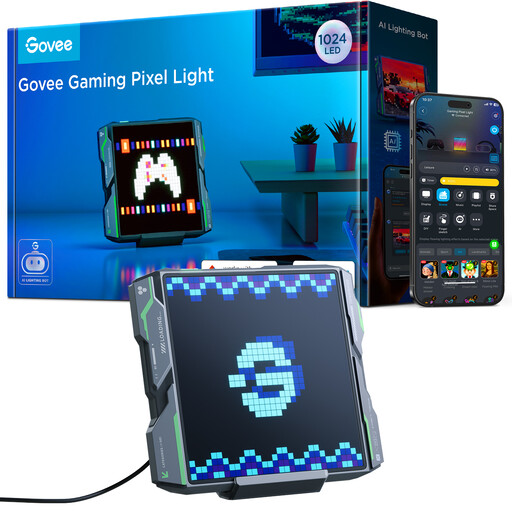
Why This Fits Their Persona: Perfect for gamers and content creators who want to personalise their setup. This LED panel is more than just a light source—it's an interactive display for pixel art, animations, and useful information.
Govee is known for a mature and stable app platform with a large community. The problem of unreliable software is minimised here by a strong ecosystem and continuous updates.
Extensive DIY options for creating your own pixel art and animations. It also offers a light bar with music synchronisation and can display weather or stock prices.
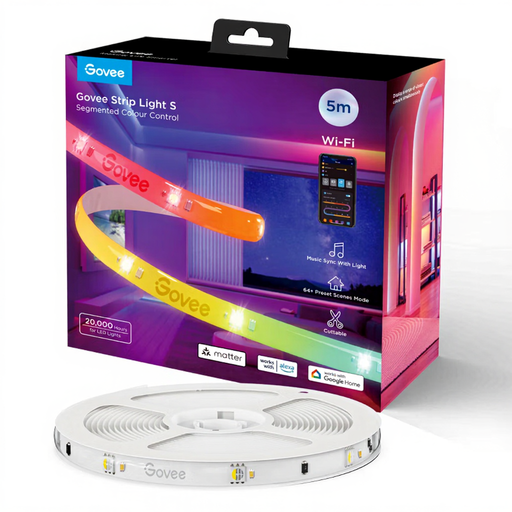
Why This Fits Their Persona: For users who want seamless integration into their existing smart home system (Apple Home, Google Home, Alexa). Matter certification ensures maximum compatibility and future-proofing.
RGBIC technology prevents inconsistent colours and allows for smooth transitions. Matter support solves the problem of isolated, unreliable app ecosystems.
Segmented colour control for dynamic effects and a protective coating that shields the LEDs from dust and diffuses the light more softly.
We have compiled a complete, up-to-date list of products that fully meet these strict selection criteria and safety standards.
Power consumption depends heavily on the length, LED density, and set brightness level. A 5-metre LED strip typically consumes between 15 and 30 watts at full brightness. Smaller solutions like a colour-changing LED night light often require less than 1 watt, making them very energy-efficient. You can find the exact specifications in the technical data for each product.
Yes, most LED strips can be cut at the designated markings (often indicated by a scissor symbol). Extending them is also possible but requires special connectors and often a more powerful power supply to ensure uniform brightness along the entire length. Make sure to only connect compatible strip sections.
The main difference lies in how the LEDs are controlled. On a standard RGB strip, all LEDs always light up in the same colour. You can change the colour of the entire strip, but you cannot display different colours simultaneously. An RGBIC strip has additional control chips that allow individual segments of the strip to be controlled independently. This enables dynamic effects such as colour gradients, chasing lights, or rainbow patterns on a single strip.