Joybuy products
This Joybuy selection includes a portable handheld device. Before buying, check that it supports the rhythm games you want to play and the controls they require.
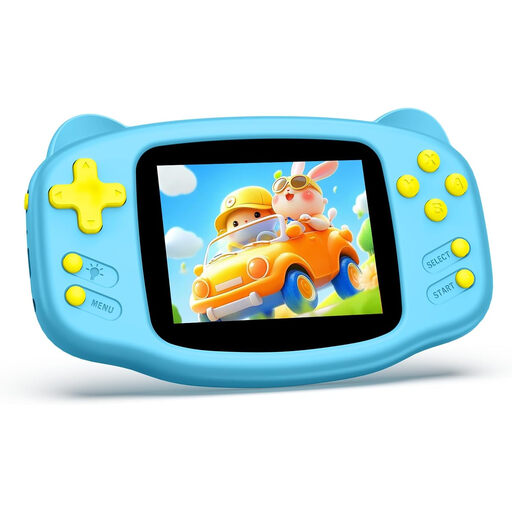 No image available
Retro handheld games console, 300 pre-installed 16-bit games, 3.2-inch HD display, rechargeable battery, compact travel-friendly design (Blue)
The portable handheld design lets you play without a separate screen; check whether the rhythm games you want to play are supported on this device.
The product title lists 300 pre-installed 16-bit games and a 3.2-inch HD display.
The product title also mentions a rechargeable battery and a compact design for taking on the go.
View on Joybuy
Frequently asked questions
Are Bluetooth headphones good enough for precise rhythm gaming?
Not necessarily: Nintendo warns that Bluetooth audio may have a device-dependent delay on Switch and Switch 2. Test your headphones with the game you want to play; the connection method alone doesn’t tell you the overall latency.
Where do I plug in a wired headset?
According to Nintendo and Valve, Switch 2 and Steam Deck OLED have a 3.5 mm headphone socket. Sony lists a 3.5 mm socket on the DualSense controller; Microsoft describes connecting its Xbox Stereo Headset to an Xbox Wireless Controller. Check that your headphones’ connection and compatibility suit the specific setup.
Can I play an existing Switch rhythm game on Switch 2?
Many physical and digital Switch games are compatible, but not all are fully supported. Nintendo recommends checking the specific title and any accessories you may need.
What extra costs might come up after buying a console?
For Taiko no Tatsujin: Rhythm Festival, Bandai Namco describes the Music Pass as a paid extra. Depending on what you choose, you may also need to buy the game, a suitable headset or controller, and extra storage. Check the edition, what’s included and the required storage format in each case.
What should I know about buying a rhythm game for a child in Germany?
The German Entertainment Software Self-Regulation Body (USK) explains that retailers must observe the sales restrictions for the relevant age rating. For example, a game rated for ages 12 and over cannot be sold to a ten-year-old child. Check the rating for the specific game; it relates to youth protection, not educational suitability.


