
Lieferung heute & morgen

Qualitätsgarantie

Willkommens-Angebote freischalten: KOSTENLOSE Lieferung | Bis zu 80 % RABATT | Kostenlose 30-Tage-JoyPlus-Testphase
App herunterladen
Rice extracts are widely used in Korean and Japanese facial skincare. You’ll find them in toners, serums, creams, lotions, cleansers and masks. But terms such as ‘glow’, ‘barrier protection’ and ‘brightening’ can sound more straightforward than they are in everyday use. What matters isn’t just the rice content, but the formula as a whole, how you use it and how well your skin tolerates it.
‘Rice Water’, ‘Rice Extract’ and fermented rice can refer to different ingredients. Rice water, rice germ extract, rice bran oil and ferment filtrates each have different INCI names and properties. Any percentage claim should therefore be considered alongside the other ingredients.
For dry skin, ingredients such as glycerin, hyaluronic acid, panthenol, squalane and ceramides are also worth looking for. A product containing rice extract but lacking enough humectant or emollient ingredients won’t necessarily provide the level of comfort you’re looking for.
Even a formula marketed as gentle may contain ingredients that not everyone’s skin tolerates equally well. These can include fragrance, essential oils, alcohol or certain plant extracts. For example, the listed formula for a Haruharu Wonder toner includes alcohol and lavender oil. If you have sensitive skin, it’s worth comparing the ingredients with a short INCI list you already know your skin tolerates.
Before applying a product over a larger area for the first time, it’s a good idea to test it on a small patch of skin. Stop using it if you experience stinging, redness, itching or swelling.
A rice face mask or cleanser containing rice powder may also have a mechanical or chemical exfoliating effect. This may appeal if your skin feels rough, but it won’t necessarily suit skin with an already irritated barrier. If you use products containing LHA or other acids, you should also apply suitable sun protection during the day.
For skincare for dry skin, it’s helpful to look for several types of ingredients:
If you want to strengthen your skin barrier, look beyond the rice ingredient and consider how the formula works as a whole.
A rice toner or milky lotion is typically used after cleansing. A rice serum is usually more concentrated and applied before moisturiser. A rice cream is the final, nourishing step. If you have combination skin, a light emulsion may feel more comfortable than a rich cream.
A mask, on the other hand, doesn’t need to be part of your daily routine. Sheet masks, wash-off masks and cleansing masks differ in how long they’re left on, how they feel on the skin and whether they contain exfoliating ingredients. Follow the instructions on the packaging.
Cosmetics sold in Germany should display the details of a responsible person in the European Union, an INCI list, the quantity, batch information and directions for use. Always check the packaging, as formulas and labelling can change. If you’re buying imported Korean rice-based skincare or Japanese rice cosmetics, also check for safety information in German and details of the responsible person.
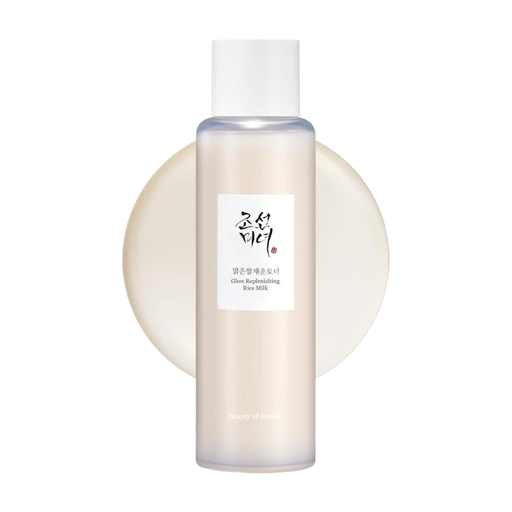
Why it suits this profile: Its lightweight texture and 150 ml size make it easy to add a rice toner to your existing morning and evening routine.
The listed formula includes rice extract, glycerin, sodium hyaluronate, panthenol and allantoin. The INCI list makes it easier to assess the ingredients objectively and check whether they suit your skin.
Watery texture, 150 ml size and a concise, easy-to-understand selection of ingredients.
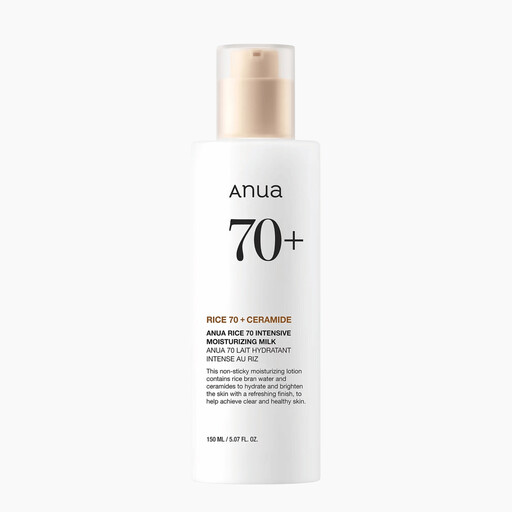
Why it suits this profile: This milky emulsion combines rice ingredients with several ceramides, squalane, ectoin and hyaluronic acid to provide hydration in several layers.
Alongside rice water, the formula lists ceramides and skin-conditioning lipids. So it offers more than just a marketing focus on rice.
150 ml, a lightweight lotion texture and several types of ceramide in the listed INCI ingredients.
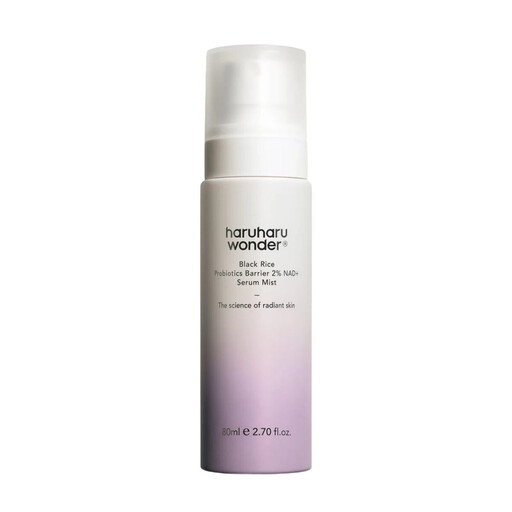
Why it suits this profile: The 80 ml spray is designed for use on the go, in dry indoor air or whenever you want an extra boost of hydration between skincare steps.
As well as fermented rice, the formula lists panthenol, squalane, ceramides and ferment ingredients. The directions also recommend a patch test before use.
80 ml spray bottle, fine mist and several ingredients that support the skin barrier, according to the product information.
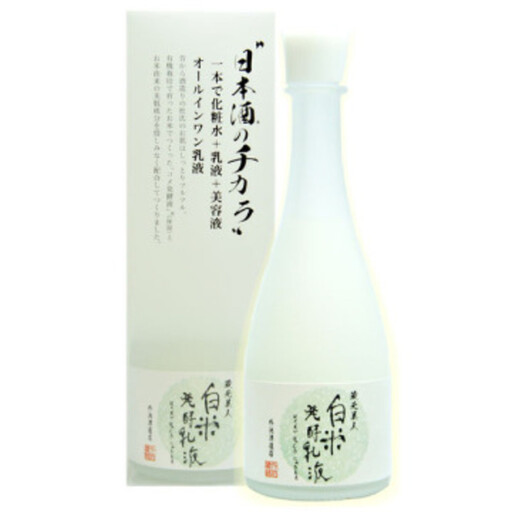
Why it suits this profile: This Japanese emulsion combines rice ferment, rice bran extract, hyaluronic acid and squalane in a lotion-serum texture.
The rice ingredients are clearly specified. The product information also flags possible reactions and advises checking the packaging details.
Made in Japan, according to the product information, with a 120 ml size and several rice-based ingredients.
We’ve put together a complete, regularly updated list of products that meet these strict selection criteria and fully comply with the safety regulations in force in the EU.
A simple routine could look like this:
Avoid introducing several new products at once. That makes it easier to tell which products your skin tolerates.
It depends on the specific formula. Rice extract alone tells you little about how well a product will suit your skin. Check for fragrance, alcohol, essential oils, acids and the full INCI list. A patch test and gradual introduction are a good idea.
It depends on how much you use and how you apply it. A 150 ml toner will usually last longer than a 30 ml serum when used daily. Applying it with your hands often uses less product than soaking a cotton pad generously.
Not every mask is designed for daily use. Sheet masks, cleansing masks and products containing exfoliating ingredients can differ considerably. Follow the manufacturer’s directions, including the recommended application time, and pay attention to how your skin responds.