People who train and have a confirmed allergy
You need a packaged snack whose ingredients and precautionary allergen information you can check against your personal avoidance plan. A short ingredients list doesn’t replace this check.


Choose rice cakes for your gym bag by checking the ingredients and precautionary allergen information that matter to you, rather than relying on descriptions such as ‘plain’ or ‘gluten-free’. Check the label on the pack you’re actually buying. If you’re planning your snack around its nutritional values, remember to factor in the portion size and any topping.
You need a packaged snack whose ingredients and precautionary allergen information you can check against your personal avoidance plan. A short ingredients list doesn’t replace this check.
What matters is the label on the specific version you’re buying. The German Coeliac Society points out that products with the same name can have different ingredients abroad.
You want to decide whether to pack plain rice cakes or pair them with a topping. When comparing nutritional values, include the whole portion, including the topping.
First, work out which ingredients and precautionary allergen information you need to avoid. Then compare the gluten-free labelling and, if it matters for your snack, the nutritional values for the portion you’re planning.
| What to check | What to look for | Who should pay particular attention? |
|---|---|---|
| Allergens and traces | Check the ingredients, highlighted allergens and precautionary allergen information on the pack against your personal avoidance plan. | If I need to avoid a particular allergen, I don’t want to miss a possible trace warning either. For around 40% of consumers, this personal check comes first. |
| Gluten-free status | Check the gluten-free labelling and ingredients list on the specific version bought in Germany. | If I eat gluten-free, the version I buy needs to be suitable; around 30% of consumers make this their priority. |
| Nutritional values for your portion | Compare the nutritional information per 100 g with the amount you’re packing, and account for any topping separately. | If the snack needs to fit into my planned portion, I want to know how plain, coated and topped versions differ. Around 30% of consumers put nutritional planning first. |
EDEKA Bio Plain Rice Cakes list rice as an ingredient, but EDEKA warns that they may contain traces of sesame.
Check the ingredients and precautionary allergen information against your personal avoidance plan, rather than assuming a product is suitable from its variety name.
Kallo describes Organic Unsalted as gluten-free, but warns that this version may contain traces of milk, sesame and soya.
As well as checking the gluten-free information, look at all the ingredients and warnings that matter to you.
EDEKA Bio Plain Rice Cakes contain 379 kcal, 0.6 g sugar and 3.2 g fat per 100 g. EDEKA’s dark chocolate version contains 487 kcal, 28 g sugar and 23 g fat per 100 g. These values apply to the versions named, not to rice cakes in general.
Start by comparing the information per 100 g, then factor in how much you’ll actually pack.
EDEKA notes that product information may differ from what’s on the packaging. The German Coeliac Society also says that products with the same name may have different ingredients in different countries.
Use online information to narrow down your options, then check the current label on the pack you buy before making your decision.
Plain and chocolate-coated rice cakes with different ingredients and allergen information.
A brand offering unsalted and coated wholegrain rice cakes.
ALDI SÜD’s own brand, with salted organic rice cakes in a 135-g pack.
This selection includes flavoured rice crackers and a rice paper cracker as snacks for when you’re out and about, rather than the plain rice cakes discussed above. If you avoid gluten or certain allergens, check the label on the pack you’re actually buying for each product.
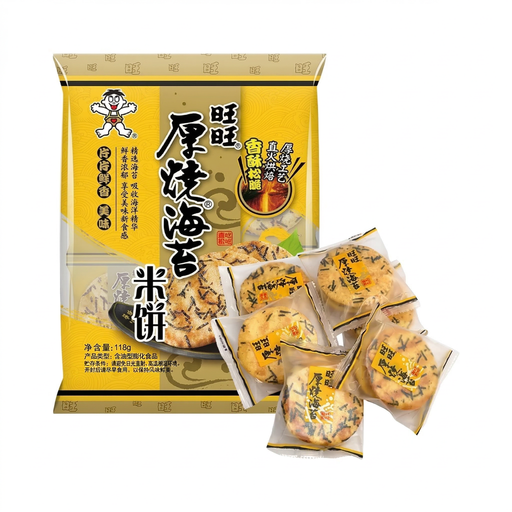 No image available
A rice cracker snack for when you’re out and about, as long as its ingredients meet your requirements.
According to the product information, this version isn’t suitable if you avoid soya, wheat or fish. Check the rest of the information and any precautionary allergen warnings on the pack, too.
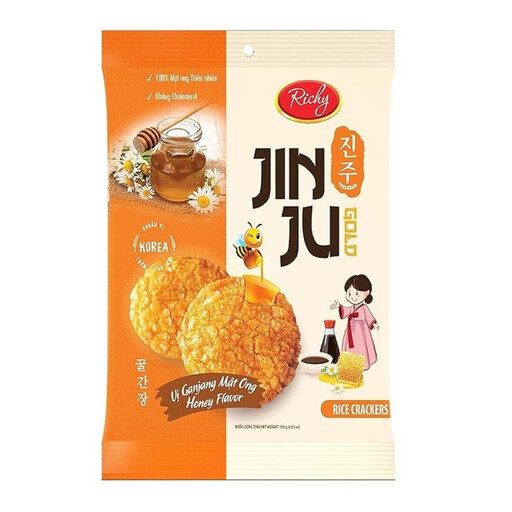 No image available
This honey-flavoured version is an option for a rice cracker snack on the go, provided its ingredients meet your requirements.
According to the product information, it contains soya and gluten from wheat, so it isn’t suitable if you avoid either of these. Check the full label on the pack.
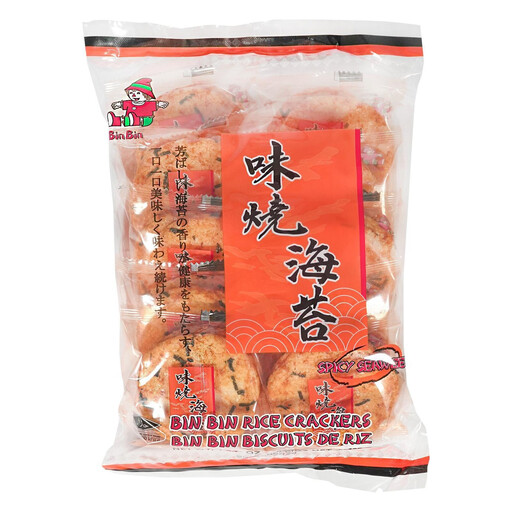 No image available
This spicy seaweed version is an option for when you’re out and about only if its ingredients fit your avoidance plan.
According to the product information, it isn’t suitable if you avoid soya or wheat. Check the other ingredients and precautionary allergen information on the pack you buy.
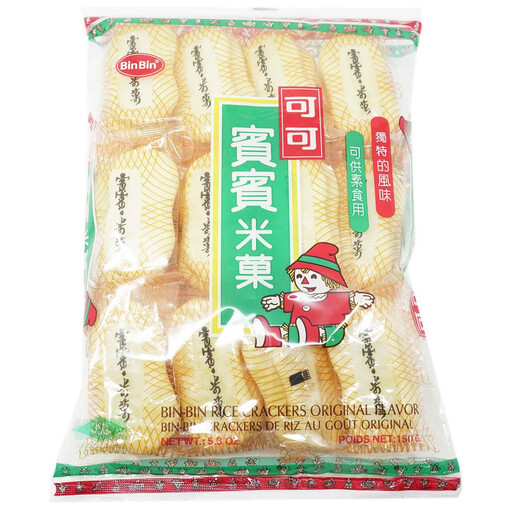 No image available
You can choose this version as a rice cracker snack for your gym bag by checking its ingredients.
According to the product information, it contains soya and wheat, so it isn’t suitable if you avoid either of these. If you need individually wrapped crackers, check the packaging format before you buy.
 No image available
This black sesame rice paper cracker is an option for a snack on the go only if sesame isn’t an allergen you need to avoid.
According to the product information, it contains sesame. Check the full label on the pack against your other requirements.
No. EDEKA lists rice as an ingredient in its plain rice cakes, but warns that they may contain traces of sesame. The chocolate versions mentioned also contain milk or soya as ingredients, or carry further precautionary allergen warnings. Always check the label on the specific pack.
No. Gluten-free labelling doesn’t answer questions about these other allergens. Kallo describes Organic Unsalted as gluten-free, but warns that it may contain traces of milk, sesame and soya.
Ingredients deliberately added from the 14 allergen groups that must be declared have to be listed, as explained by the Federal Ministry of Agriculture, Food and Home Affairs. A warning about possible accidental traces is different; if you have an allergy, check both types of information on the pack.
Compare the nutritional values for the amount you actually plan to eat, and count any topping separately. EDEKA lists 8.7 g protein per 100 g for its plain rice cakes. A Lidl recipe made with rice cakes, peanut butter and banana gives 10 g protein per portion for the whole combination, not the rice cakes alone.
No. Don’t assume its ingredients apply to the version sold in Germany. The German Coeliac Society points out that products can differ between countries, so check the ingredients list on the current pack.