People who want protein in their snack
You want a ready-to-eat crunchy snack before training and compare the protein in a portion rather than relying on the wording on the front of the pack.


If you want your snack to provide the protein, it’s worth comparing lentil crackers and maize-and-pulse cakes with classic rice cakes: the alternatives considered here contain more protein per 100 g. If you’d rather have a simple, carbohydrate-focused base before training, rice cakes could be a good choice, with a separate source of protein if needed. What matters is the portion you actually eat, the nutritional information and the ingredients.
You want a ready-to-eat crunchy snack before training and compare the protein in a portion rather than relying on the wording on the front of the pack.
You’re after a simple, carbohydrate-focused base before exercise and don’t expect the cake itself to provide much protein.
You look for a specific gluten-free or vegan claim and, if needed, check the allergens and possible traces listed on the pack.
If you want protein from your snack, lentil crackers and maize-and-pulse cakes are different products from classic rice cakes. First choose the type of snack you want, then compare the nutritional values for the portion you plan to eat.
| Criterion | What to check | Who it matters most to |
|---|---|---|
| Protein per portion | Compare the protein per 100 g with the amount you’ll actually eat, and check the ingredients too. | I want to get my protein directly from a ready-to-eat snack, rather than adding a topping. For around 42% of consumers, the amount of protein would be the main factor when buying. |
| Carbohydrate-focused base | Check the carbohydrates and protein per portion, and consider your preferred portion size for classic rice cakes. | Before exercise, a simple snack base matters more to me than having lots of protein in the cake. Around 33% of consumers would put this need first. |
| Ingredients and suitability | Read the current ingredients list, allergen and trace information, and gluten-free labelling where relevant. | If I need to avoid certain ingredients or traces of allergens, the specific labelling on the pack determines what I choose. This would be the most important criterion for around 25% of consumers. |
The protein figure alone doesn’t tell you how much sugar, fat or salt a snack contains. For example, the REWE-listed Reis-Fit Risbellis High Protein Tomato & Paprika lentil crackers contain 1.45 g of salt per 100 g.
Compare the nutritional information per 100 g and for your planned portion, especially when weighing up savoury crackers against a plain cake.
The specific EDEKA Bio and GUT BIO rice cakes considered here contain 8.7 g and 6.7 g of protein per 100 g, respectively. The lentil crackers and maize-and-pulse cakes considered here have higher stated values, but they aren’t made from rice alone.
If protein is your main priority, compare the amount per portion. If you prefer rice cakes, consider a separate source of protein independently.
The product type alone won’t answer every question about allergens: Verival Bio Green Protein cakes may contain traces of soya, while EDEKA Bio rice cakes with sea salt may contain traces of sesame.
Read the ingredients and allergen and trace information on the current pack, even if you already know the product.
The German Federal Institute for Risk Assessment points out that rice products, including rice cakes, can contain relatively high levels of inorganic arsenic.
If you often reach for crunchy snacks, consider other grain or pulse products as well as rice products.
Bio Green Protein cakes are made with maize and pulses, offering a waffle-style alternative for anyone looking beyond plain rice cakes.
Risbellis High Protein Tomato & Paprika are savoury lentil crackers, not rice cakes.
Lentil cakes are an alternative for shoppers looking for a cake made with red lentils rather than rice.
The sea-salt rice cakes are a classic, carbohydrate-focused rice option.
Kallo makes both classic wholegrain rice cakes and lentil cakes; the specific product type matters when comparing them.
This selection includes a lentil cake and a spelt cake as crunchy alternatives to classic rice cakes. For a pre-workout snack, compare the nutritional values for the portion you actually plan to eat and check the ingredients in each product.
 No image available
An option if you’re looking for a crunchy lentil-based cake rather than rice before training.
Use the nutritional information on the pack to compare the protein content with the portion you actually plan to eat. If you have a soya allergy, pay particular attention to the current allergen labelling.
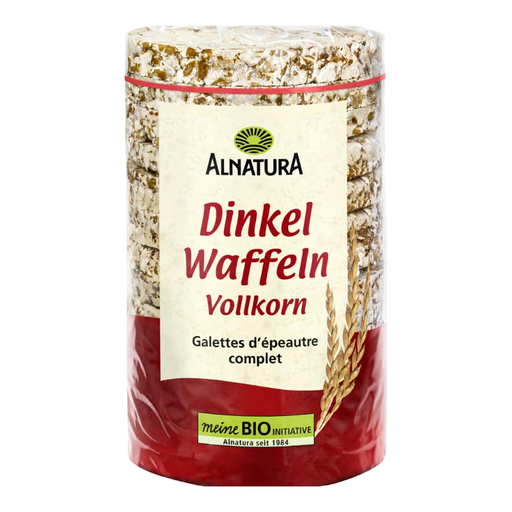 No image available
A crunchy alternative if you prefer a spelt-based cake to one made with rice.
Spelt contains gluten, so this version isn’t suitable if you need a gluten-free option. Check the current nutritional information on the pack for protein, carbohydrates and fibre.
The classic rice cakes considered here aren’t as high in protein as the lentil crackers or maize-and-pulse cakes mentioned above. EDEKA lists 8.7 g of protein per 100 g for its Bio rice cakes with sea salt, while ALDI SÜD lists 6.7 g per 100 g for GUT BIO organic rice cakes with salt. Rice cakes can still suit your snack goals as a carbohydrate-focused base.
No, the cake itself doesn’t have to be high in protein. If you’re mainly looking for a carbohydrate-focused snack base, you can choose classic rice cakes based on their nutritional values and a portion size that works for you. Adding a separate source of protein is a personal choice.
No, the protein figure alone doesn’t tell you how much sugar, fat or salt a product contains. Compare the full nutritional information per 100 g and the amount you actually plan to eat.
No, the ingredients alone don’t replace the labelling on the specific product. Check the gluten-free claim, ingredients, allergens and any possible traces on the current pack.
If rice cakes are a regular snack, it’s worth varying your choices with other grains or pulses. The German Federal Institute for Risk Assessment points out that rice products such as rice cakes can contain relatively high levels of inorganic arsenic.