
当日/次日达

品质保障

开启新人专享福利: 全场免邮 | 低至 2 折 | 免费试用 30 天 JoyPlus 会员
下载 Joybuy
When you're browsing for Asian snacks or ingredients online, the sheer variety of rice cakes can be overwhelming. From chewy, savory Korean tteokbokki to crispy, sweet snow cake snacks, the selection is vast. But this diversity also has its pitfalls. Many buyers end up choosing a product that doesn't suit their recipe, leading to disappointment. This guide will help you avoid common mistakes and find the perfect rice cakes for your taste and dish.
A common mistake is confusing the type of rice cake. For example, buying sliced rice cakes for a soup when you actually needed the cylindrical sticks for an authentic tteokbokki dish. Another pitfall is underestimating the preparation time. An instant cup is ready in three minutes, whereas raw, vacuum-sealed rice cakes require careful preparation with additional ingredients. Finally, people often misjudge the texture, which leads to an unsatisfying eating experience.
To ensure you buy the right rice cakes, you should focus on three key characteristics. These will help you objectively evaluate product features and make an informed decision.
The shape and the type of rice used are crucial in determining the texture and intended use. The wrong choice here can compromise the entire dish.
The level of pre-processing determines how quickly your meal or snack will be ready.
Rice cakes serve as a canvas for a wide variety of flavors. The product description will indicate whether it's a neutral ingredient or an already seasoned product.
Here are some recommendations tailored to different needs and preferences.
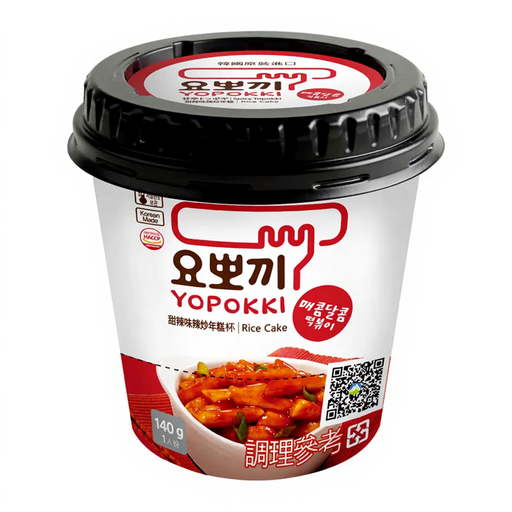
Why This Fits Their Persona: Ideal for those short on time but unwilling to compromise on the authentic taste of a Korean snack. Perfect for an office lunch break or a quick dinner.
This product bypasses the pitfall of underestimating preparation time. As an instant cup, it's ready to eat in minutes without needing any extra ingredients.
Quick Preparation: Ready in just a few minutes. All-in-One: Includes rice cakes and a balanced sweet and spicy sauce.
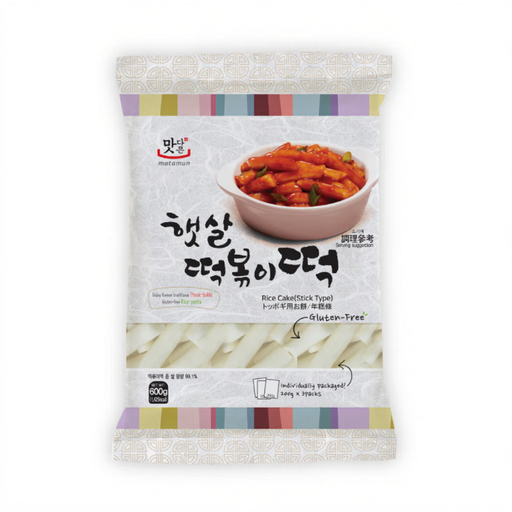
Why This Fits Their Persona: For home cooks who want full control over their dish. These rice cakes are the perfect neutral base for creating a tteokbokki dish from scratch using your own recipe.
This product prevents the mistake of buying the wrong type. These are the classic cylindrical sticks specifically intended for Tteokbokki, not the slices used for soup.
Authentic Texture: Soft and chewy, ideal for traditional Korean dishes. Versatile Base: Unseasoned, making them flexible to combine with any type of sauce.
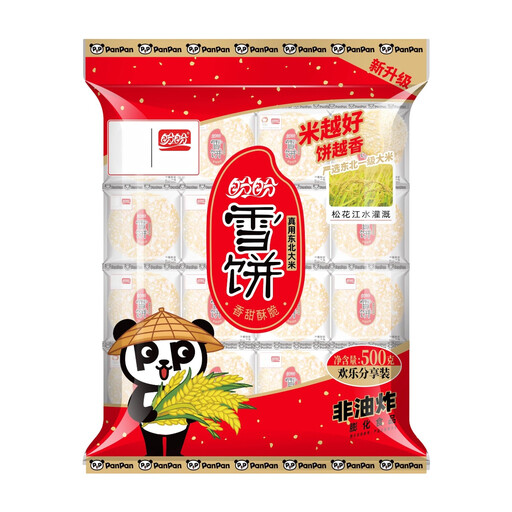
Why This Fits Their Persona: For anyone looking for a light, crispy, and sweet snack. This classic Asian treat is perfect with tea or as a small reward.
This product avoids any confusion about texture. It is clearly positioned as a crispy snack and won't be mistaken for a chewy, cooked dish.
Ready-to-Eat: No cooking required, just enjoy. Light Texture: Airy, crispy, and melts in your mouth with a sweet rice flavor.
We've compiled a complete, up-to-date list of products that fully meet these strict selection criteria and local regulations.
Vacuum-packed, raw rice cakes should be stored in the refrigerator after opening and used within 2-3 days, as they can quickly lose their quality. Some products include an oxygen absorber packet, which should be removed and discarded after opening. Crispy snacks like Snow Cakes should be stored in an airtight container at room temperature to maintain their crispiness.
The main difference often lies in the type of rice and the resulting texture. Korean Tteokbokki rice cakes are typically made from short-grain rice flour, giving them a firm, satisfyingly chewy consistency (often described as having a "Q-texture"). Chinese Nian Gao are frequently made from glutinous rice flour, which makes them softer and stickier. However, both are versatile in Asian cuisine.
It depends on the product. Rice cakes made solely from rice, water, and salt are naturally gluten-free. However, some products, especially instant meals or snacks, may contain wheat starch or soy sauce-based sauces that contain gluten. It is therefore essential to carefully check the ingredients list and allergen information on the packaging if you have a gluten intolerance. For example, products like the Matamun Young Poong Tteokbokki Rice Cake HALAL explicitly list no allergens, while other products clearly declare wheat.