If you’re looking to stock up on rice cakes with as little fat as possible, compare plain and salted varieties by their fat content per 100 g rather than relying on the product name alone. For the products covered here, EDEKA, REWE and ALDI SÜD list between 0.6 and 3.2 g of fat per 100 g for these varieties. The chocolate varieties compared from EDEKA and REWE contain 23 and 26 g respectively. If you’re buying several packs, also consider the storage instructions, ingredients and how quickly you plan to use them.
Who this guide is for
Shoppers who compare fat content first
If you’re buying several packs for snacking, you can compare plain and chocolate varieties using the same measure. The product information from EDEKA, REWE and ALDI SÜD shows clear differences per 100 g among the varieties covered here; this does not mean the same is true of all rice cakes.
Shoppers stocking up on savoury varieties
If you plan to eat them plain or with your own toppings, the coating, salt content and ingredients are key. Even with a plain variety, it’s worth checking the allergen and may-contain information on the specific pack.
Families who eat rice cakes regularly
If young children eat rice cakes often, it’s important to include a variety of grains as well as different flavours. The German Federal Institute for Risk Assessment notes that rice products can contain inorganic arsenic; the German consumer advice centre recommends a varied range of grains, particularly for babies and toddlers.
What to look for when stocking up
Start by comparing the nutritional information per 100 g and the ingredients in the variety you want. Then decide how many packs you can sensibly store, taking the storage instructions and how quickly you’ll use them into account.
| Factor | What to check when buying | Who it matters to |
|---|
| Fat content and coating |
Compare fat per 100 g and check whether the rice cakes have a chocolate coating. |
If I’m mainly keeping an eye on fat content, I don’t want to assume a coated variety is the same as a plain one just because of its name. Around 37% of shoppers prioritise this. |
| Stock quantity and storage |
Check the best-before date, condition of the packaging and storage instructions; REWE recommends storing biozentrale plain organic rice cakes in a dry place away from heat. |
If I’m buying several packs, I want to make sure I have enough storage space and will use them in time. Around 27% of shoppers prioritise planning their stocks. |
| Salt, ingredients and allergens |
Read the salt content, ingredients list and allergen information for the specific variety. |
If I’m looking for a savoury variety or need to avoid certain ingredients, the recipe determines which pack is suitable. Around 18% of shoppers put this first. |
| Variety in your snacks |
If you eat rice cakes often, particularly if you have young children, include snacks made from other grains too. |
If rice cakes are a regular snack in our home, I don’t want to stock up on rice products alone. Around 18% of shoppers prioritise variety. |
Common buying mistakes
-
Assuming all rice cakes are the same because of their name
A coating can change the comparison: EDEKA and REWE list 23 and 26 g of fat per 100 g respectively for the chocolate varieties covered here, while the plain and salted varieties from EDEKA, REWE and ALDI SÜD contain between 0.6 and 3.2 g.
Compare the specific varieties per 100 g and read the ingredients list before buying several packs.
-
Assuming a product range page guarantees availability in your shop
Availability may depend on the store or delivery area. Choosing a preferred brand alone won’t necessarily give you a suitable stock of snacks.
Before you shop, check that the variety you want is available and compare its current pack information.
-
Overlooking allergen information on plain varieties
Even simple rice cakes may carry a may-contain warning. Kallo says its unsalted organic wholegrain rice cakes may contain traces of milk, sesame and soya.
If you need to avoid certain ingredients or allergens, check the information on each specific pack rather than assuming it’s the same as another variety from the same brand.
-
Stocking up on rice products alone for regular snacking
The German Federal Institute for Risk Assessment highlights the possibility of inorganic arsenic in rice products, including rice cakes. The German consumer advice centre particularly stresses the importance of variety in grains for babies and toddlers.
When planning your stocks, include snacks made from other grains too.
Brands and product ranges to consider
EDEKA Bio
EDEKA offers organic rice cakes in plain and chocolate varieties, among others. The figures apply to the specific varieties listed, not to the brand as a whole.
- For EDEKA Bio plain rice cakes, EDEKA lists 3.2 g of fat and 0.01 g of salt per 100 g.
- EDEKA lists 23 g of fat per 100 g for the dark chocolate variety. Check the ingredients, allergen information and pack details for each variety separately.
biozentrale
REWE lists product information for biozentrale organic plain rice cakes and a variety with milk chocolate.
- For the plain variety, REWE lists 2.5 g of fat per 100 g and recommends storing it in a dry place away from heat.
- According to REWE, the milk chocolate variety listed there contains 26 g of fat per 100 g; its nutritional values should not be treated as the same as those of the plain variety.
GUT BIO
GUT BIO is an ALDI SÜD own-label brand. The product information covered here relates to salted organic rice cakes in a 135-g pack.
- For this salted variety, ALDI SÜD lists 0.6 g of fat and 0.28 g of salt per 100 g.
- This variety is not unsalted. ALDI SÜD also notes that nutritional values may vary depending on the supplier; the information on the specific pack takes precedence.
Kallo
Kallo describes an unsalted organic wholegrain rice cake. The information below applies to this product range.
- Kallo lists 2.7 g of fat per 100 g.
- According to Kallo, the product may contain traces of milk, sesame and soya. If you buy it, check the labelling on the pack.
Suitable products at Joybuy
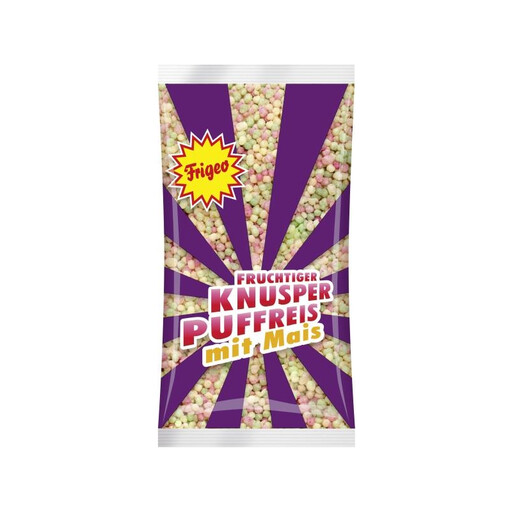
This selection features a crunchy rice snack in a small pack. If you specifically want to stock up on plain rice cakes, check the variety against the ingredients and nutritional information before buying.
 No image available
Frigeo Knusper Pufetti Crispy Rice Cakes, 80 g
The 80-g pack could be a good choice if you only need a small quantity. Before buying, check whether this snack variety suits your preference for plain rice cakes. If you’re buying several packs, the best-before date and storage instructions matter too.
View at Joybuy
Frequently asked questions
How do I compare the fat content of rice cakes when stocking up?
Compare the fat per 100 g for the specific varieties you plan to buy, and check the ingredients list for any coating. For the plain and salted varieties covered here, EDEKA, REWE and ALDI SÜD list between 0.6 and 3.2 g of fat per 100 g. The chocolate varieties compared from EDEKA and REWE contain 23 and 26 g respectively.
How should I store several packs of rice cakes?
Follow the storage instructions on the specific pack and buy an amount that suits how quickly you’ll use it. REWE recommends storing biozentrale organic plain rice cakes in a dry place away from heat; also check the best-before date before stocking up.
Should rice cakes be the only grain-based snack for young children?
No. If you keep snacks in regularly, it’s important to include a variety of grains. The German Federal Institute for Risk Assessment notes that rice products, including rice cakes, can contain inorganic arsenic; the German consumer advice centre highlights the importance of a varied range of grains, particularly for babies and toddlers.
Is it enough to check the brand when comparing similar varieties?
No, check the labelling for each specific variety. Salt, coatings, ingredients and possible allergen traces can differ even between rice cakes from the same brand.


