Plain rice cakes can be a dry snack to take on a hike, but don’t assume they’re a high-protein option just because of their format. If protein is a priority when choosing a snack, compare the nutritional values for the portion you’ll actually take with you. Check whether a topping or a separate snack would be a better fit for your route in terms of allergens, packaging and storage. Plan your drinks and the rest of your hiking provisions separately.
Who should consider this choice?
Day hikers planning their provisions
You want to take a dry snack with you and are also planning what to eat and drink on a longer or brisk hike. The German Alpine Club and the German Nutrition Society treat drinks and carbohydrates as separate parts of sports nutrition.
Hikers who consider protein when choosing a snack
You want to know how much protein is in the portion you’ll actually eat, whether it’s rice cakes, rice cakes with a topping or a separate product. An ordinary rice cake doesn’t become a protein product just because you eat it after your hike.
Hikers checking ingredients and allergens
You check the ingredients and precautionary allergen information before packing, especially if you’re adding a topping or another snack. Information varies by product: EDEKA, for example, lists possible traces of sesame for its organic plain rice cakes.
What should you look for when buying?
First decide whether you’re mainly looking for a convenient snack on the go or a portion with a stated protein content. Then compare the nutritional information for your planned portion and check how easy your chosen combination will be to carry.
Plain rice cakes
A good choice if: You want to take a dry snack without an extra topping.
Bear in mind: EDEKA says its organic plain rice cakes contain 77 g of carbohydrates and 8.7 g of protein per 100 g. Don’t assume your portion contains the amount listed for the whole 100 g.
Rice cakes with toppings
A good choice if: You want to stick with rice cakes and combine them with other ingredients for a snack.
Bear in mind: Toppings and fresh ingredients need to be packed separately. If you’re taking peanut butter, remember to check the allergen information too.
A separate snack
A good choice if: You don’t want to carry a topping and would like to check the protein content of a standalone product.
Bear in mind: A snack like this won’t replace your drinks or the rest of your provisions for the hike.
| Criteria |
What to check when buying |
Who it matters to |
| Provisions for the hike |
Check carbohydrates per planned portion, and plan your drinks separately from your snack. |
If I’m hiking for longer or at a brisk pace, I don’t want to rely on a small snack alone, and I’ll remember to take a drink too. This need for provisions is a priority when choosing snacks for around 36% of consumers. |
| Protein per portion |
Compare the protein information for the amount you’ll actually take with you; don’t treat a rice cake, a topping and a separate snack as equivalent. |
If protein is my main snack priority, I want to know what’s in my portion rather than relying on the product name. Around 29% of consumers put this need first. |
| Carrying and portioning |
Check the pack size, how well it protects the contents from being crushed and how any topping is packaged. |
I want to be able to pack the snack in my rucksack without much preparation and portion it appropriately on the go. This practical need comes first for around 21% of consumers. |
| Ingredients and variety |
Read the latest ingredients and precautionary allergen information; if you eat rice cakes regularly, plan to include other snack bases too. |
If I need to pay particular attention to ingredients or allergens, I check every part of my snack combination. This is a priority when choosing snacks for around 14% of consumers. |
Which mistakes can you avoid?
-
Assuming rice cakes are a protein snack just because of their format
Nutritional values depend on the specific product. EDEKA says its organic plain rice cakes contain 8.7 g of protein and 77 g of carbohydrates per 100 g; a single rice cake is not a 100 g portion.
Compare protein and carbohydrates using the nutritional information for the amount you plan to eat. If you’re adding another ingredient, take its values into account separately.
-
Focusing on protein and forgetting drinks and the rest of your provisions
A snack with a stated protein content won’t take care of your food and drink plans for a longer hike. The German Alpine Club recommends at least two litres of drink as a guide for a day hike; the right amount also depends on the conditions and the individual.
Plan your drinks and snacks together, taking the duration, difficulty and weather into account, rather than basing your decision on a single nutritional value.
-
Relying on rice cakes as your only snack base over time
The German Federal Institute for Risk Assessment points out that rice cakes can contain relatively high levels of inorganic arsenic.
If you eat them regularly, alternate them with products made from other grains and other types of snack.
-
Overlooking precautionary allergen information and topping ingredients
Even rice cakes with a simple recipe can carry a precautionary allergen statement: EDEKA lists possible traces of sesame for its organic plain rice cakes. A topping or separate snack will have its own ingredients and allergens.
Before packing, read the latest labelling for every product in your combination, especially if allergens are relevant to you.
Brands and ranges to help you choose
These examples show different types of rice cake and approaches to snacking. Nutritional values for a recipe portion or a muesli serving aren’t the same as the values for an individual rice cake.
EDEKA Bio
EDEKA sells organic plain rice cakes without toppings.
- EDEKA states that they contain 77 g of carbohydrates and 8.7 g of protein per 100 g.
- The product information lists possible traces of sesame; availability may vary between stores.
ALDI Nord BIO
ALDI Nord sells organic rice cakes with sea salt and without salt.
- The rice cakes shown are sold in 135 g packs, according to ALDI Nord.
- For a protein comparison, check the nutritional information on the pack of the specific variety.
ALDI SÜD GUT BIO
ALDI SÜD sells organic rice cakes with salt.
- For the variety shown, ALDI SÜD states that it contains 6.7 g of protein and 85.6 g of carbohydrates per 100 g.
- According to ALDI SÜD, values may vary by supplier, so check the pack of the product on offer.
Lidl
Lidl Kochen features a combination of rice cakes, peanut butter and banana.
- Lidl Kochen states that the recipe portion contains 10 g of protein.
- This value applies to the combination, not to an individual rice cake. Check for peanuts as an allergen and consider how you’ll carry the ingredients.
Seitenbacher
Seitenbacher Protein Müsli #1 is a muesli, so it belongs to a different product category from rice cakes.
- Seitenbacher states that a 50 g portion of the muesli contains 15 g of protein.
- It contains soya, wheat, oats and milk ingredients, among other things. If you’re taking it on the go, also consider how you’ll prepare and portion it.
Snack options on Joybuy
These are standalone snacks you can consider as an addition to or an alternative to rice cakes; none of the products listed is a rice cake. Before choosing, compare the nutritional information for your portion and check the packaging details in particular.
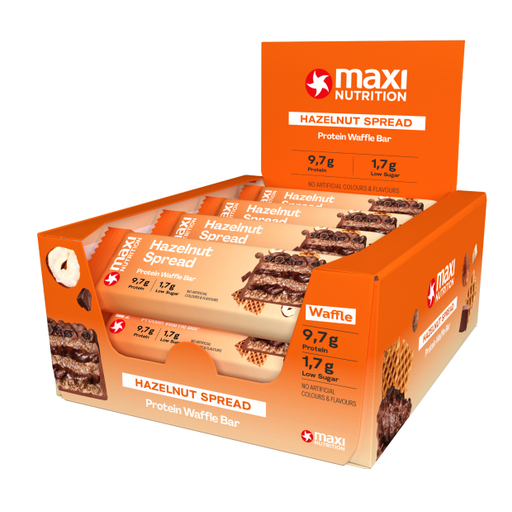 Image unavailable
Maxi Nutrition Muesli Nut Butter Protein Wafer Bars (12 × 39 g)
A wafer bar could be a good option if you’d rather take a bar than a separate topping. The product name states that the pack contains 12 bars weighing 39 g each; check the nutritional information per bar, along with the ingredients, allergens and storage instructions.
View on Joybuy
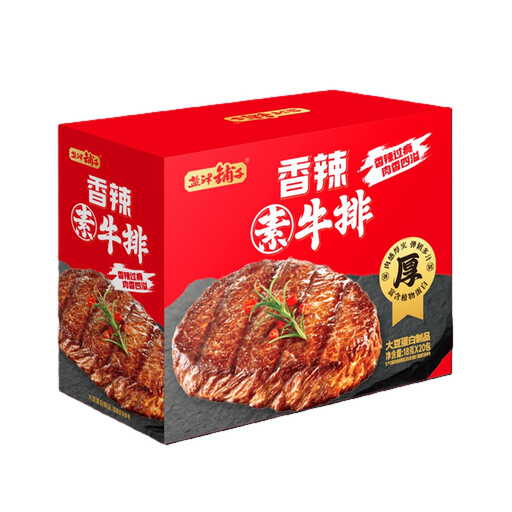 Image unavailable
Yan Jin Pu Zi Vegetarian Steak Spicy Flavour (20 × 18 g)
These small sachets are an option if you’re considering a savoury snack instead of a sweet rice cake combination. The product name states that there are 20 sachets of 18 g each; compare the protein content per sachet and check the ingredients and allergens.
View on Joybuy
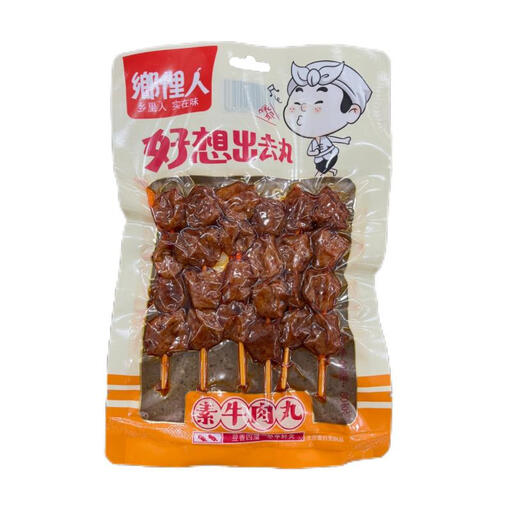 Image unavailable
Xiangliren Vegetarian Beef Balls (80 g)
This savoury snack is an alternative to rice cakes if you’d like to take an 80 g pack with you. Before planning to take it on a hike, check the nutritional information and ingredients, along with the instructions for eating it after opening.
View on Joybuy
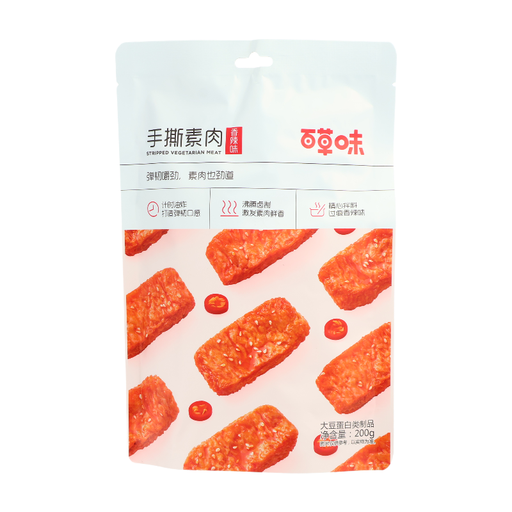 Image unavailable
Be&Cheery Shredded Vegetarian Meat Spicy Flavor (200 g)
This spicy option is worth considering if you’re looking for a savoury snack and the 200 g pack suits your portion plan. Compare the protein and salt content for the amount you’ll take with you, and check the allergen information.
View on Joybuy
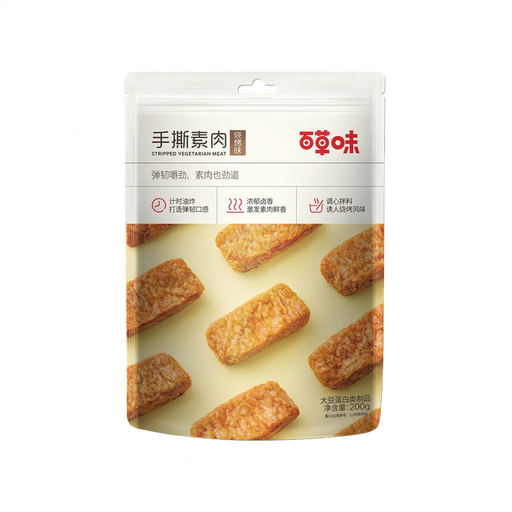 Image unavailable
Be&Cheery Hand-Torn Vegetarian Meat Barbecue Flavor (200 g)
The barbecue variety is another savoury alternative to rice cakes. For the 200 g pack, decide how much you’ll take on your hike, then check the nutritional information, salt content and ingredients for that amount.
View on Joybuy
Frequently asked questions
Are ordinary rice cakes automatically a protein snack?
No. You can’t assume a product has a high protein content just from its category. EDEKA states that its organic plain rice cakes contain 8.7 g of protein per 100 g; for your snack plan, what matters is the amount you’ll actually eat.
Does a snack with protein replace the rest of your provisions on a longer hike?
No. Plan your drinks and the rest of your provisions separately. The German Nutrition Society explains the importance of carbohydrates for energy during exercise; the length and difficulty of your hike will affect what you need while you’re out.
How can you combine rice cakes with other ingredients?
You could add a topping, for example, as long as you plan how to carry it and check its ingredients. Lidl Kochen states that a recipe made with rice cakes, peanut butter and banana contains 10 g of protein per portion, not per individual rice cake. Remember that peanuts are an allergen.
Should I avoid rice cakes altogether because of inorganic arsenic?
The advice from the German Federal Institute for Risk Assessment doesn’t mean you need to avoid them altogether. The institute notes that rice cakes may contain relatively high levels and recommends eating them in moderation and alternating them with products made from other grains.


