For a holiday snack that needs to meet specific dietary requirements, rice cakes with a short, clear ingredients list are easier to check. However, the label ‘gluten-free’ does not tell you whether they contain sesame, milk or soya, for example, or whether these are listed as possible traces. Fruit-flavoured and coated varieties need a separate check of their ingredients and nutritional information. For young children, rice cakes should not become the only grain option offered regularly: the Federal Institute for Risk Assessment highlights inorganic arsenic in rice products, and the consumer advice centre recommends offering a variety of grains.
Who is choosing rice cakes important for?
Families who need to avoid specific allergens
For a packaged holiday snack, they need to check the ingredients of each variety against their individual requirements. ‘Gluten-free’ on its own does not tell you whether a product contains milk, soya or sesame, or whether a ‘may contain’ warning is relevant. Product information from REWE, EDEKA and Kallo shows how ingredients can vary between rice cakes.
Parents of young children who snack often
Rice cakes are handy to take with you when you’re out and about. However, if you offer rice products frequently, it’s also important to include other grains, as the consumer advice centre explains in relation to inorganic arsenic in rice products.
Families looking for less-sweet snacks for breaks
They should compare plain, fruit and chocolate varieties by checking their ingredients and nutritional information. EDEKA, for example, lists apple juice concentrate as an ingredient in an apple rice cake; a white chocolate rice cake also contains milk and soya.
What should you look for when buying?
First, check which ingredients your child needs to avoid. Then compare the ingredients and nutritional information of suitable varieties, and think about how often rice products feature as snacks.
| Criterion | What to check | Who it matters most to |
|---|
| Allergens |
Check the ingredients, highlighted allergens and any ‘may contain’ warnings on the specific pack. |
If I need to avoid sesame, milk or soya, the ‘gluten-free’ label isn’t enough. Around 33 % of consumers put checking products against their allergen requirements first. |
| Variety for young children |
Consider how often rice products are offered and which other suitable grain-based snacks are available. |
I want a snack that’s easy to take with me for my young child, but I don’t want to pack a rice product every time. A varied choice of snacks comes first for around 33 % of consumers. |
| Sugar and ingredients |
Compare sugar per 100 g and ingredients such as juice concentrate or chocolate coating. |
I’m looking for a less-sweet variety and want to know what gives it its flavour. This is the main concern for around 20 % of consumers. |
| Flavour when you’re out and about |
Consider the flavours and pack format; check each variety individually for ingredients that are suitable for you. |
When we’re out for the day, I’d like a choice of flavours without skipping the ingredients check. Around 14 % of consumers put this variety first when making their choice. |
Which common mistakes can you avoid?
-
Assuming ‘gluten-free’ means ‘free from all allergens’
According to REWE, its REWE Bio gluten-free sesame rice cake contains sesame and may contain traces of milk and soya. So the gluten-free label does not replace checking for other ingredients that matter to you.
Read the ingredients and allergen information on every pack. Consider ‘may contain’ warnings in line with your individual approach to possible cross-contamination.
-
Judging fruit and chocolate varieties like plain rice cakes
EDEKA Bio apple rice cakes contain apple juice concentrate. For its EDEKA Herzstücke white chocolate rice cakes, EDEKA lists milk and soya as ingredients, along with 31,2 g of sugar per 100 g.
Compare the ingredients and sugar per 100 g rather than relying on the flavour description or the front of the pack alone.
-
Making rice cakes your go-to snack every day
Rice cakes are among the rice products that may contain inorganic arsenic, according to the Federal Institute for Risk Assessment. For babies and young children, the consumer advice centre recommends offering a variety of grains.
Include rice cakes alongside other suitable snack and grain options, rather than relying on rice alone for frequent snacks.
-
Relying on online information alone when packing a lunchbox
The information on the current pack is what matters when choosing the variety you’ve actually bought. This is especially important if an ingredient needs to be avoided.
Check the pack again before putting it in the lunchbox, and keep a suitable alternative that you’ve already checked ready if specific allergens must be avoided.
Useful brands to know
REWE Bio
REWE Bio sesame rice cakes are a good example of why checking the details of a specific variety matters more than relying on the brand name.
- REWE states that this variety contains 98,96 % wholegrain rice and 1,04 % sesame.
- It is labelled gluten-free, but contains sesame and may contain traces of milk and soya.
EDEKA Bio / EDEKA Herzstücke
The EDEKA products mentioned here highlight the differences between a fruit-flavoured rice cake and a chocolate-coated variety.
- EDEKA states that its organic apple rice cakes contain 89,2 % rice and 10,8 % apple juice concentrate.
- The apple variety may contain traces of soya, sesame and milk. The Herzstücke white chocolate variety contains milk and soya.
Kallo
Kallo offers an unsalted wholegrain rice variety and a milk chocolate variety; the product information mentioned here does not indicate whether they are available in Germany.
- Kallo lists wholegrain rice as an ingredient in its unsalted variety and labels it gluten-free.
- Kallo states that this variety may contain traces of milk, sesame and soya. The milk chocolate variety contains milk and soya.
Rice crackers as related snack options
This selection from Joybuy features rice crackers as related snacks for when you’re out and about, rather than classic rice cakes. The product names alone show how the varieties differ, with sesame, seaweed or seasoning. So if you’re looking for rice cakes to meet a specific dietary requirement, don’t choose a rice cracker as a substitute without checking it first.
 No image available
SACHI Black Sesame Rice Paper Cracker, 135 g
A rice cracker to consider if you’re looking for a sesame variety. It isn’t suitable if you need to avoid sesame; check the ingredients and ‘may contain’ warnings on the pack for any other requirements. Check the salt information on the pack before buying, too.
View on Joybuy
 No image available
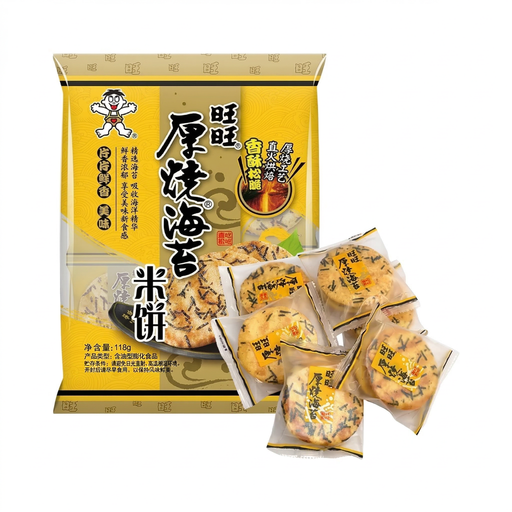
WANT WANT Thick Roasted Seaweed Rice Crackers, 118 g
A seaweed variety for anyone looking for a differently seasoned snack instead of a plain rice cake. According to the product information, it contains soya, wheat and fish, so it isn’t suitable if you need to avoid these ingredients. Check the current pack for liquorice and any other information, too.
View on Joybuy
 No image available
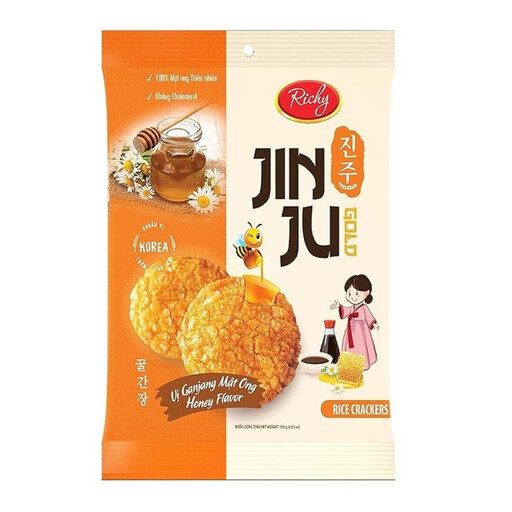
Richy Jin Ju Rice Cracker Honey Flavour, 100 g
The honey flavour offers an alternative to a plain variety. According to the product information, this cracker contains soya and wheat with gluten, so it isn’t suitable if you need to avoid either of these. Check the ingredients on the pack, even if you’re considering the rice content as part of your choice.
View on Joybuy
 No image available
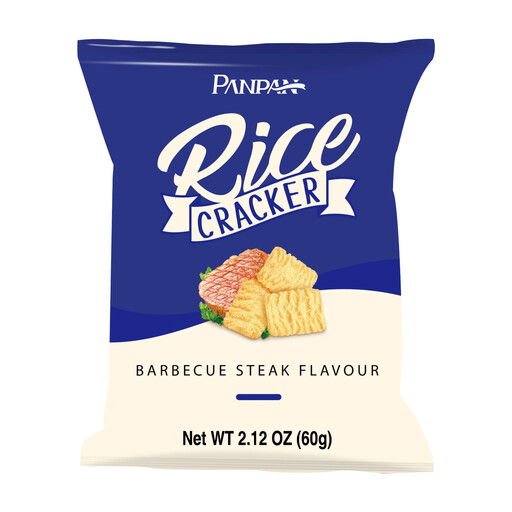
Panpan Rice Cracker BBQ Steak Flavor, 60 g
A seasoned rice cracker rather than a plain rice cake. According to the product information, it contains soya and wheat with gluten. For young children, also consider the warning about possible hard pieces in relation to the specific eating situation.
View on Joybuy
 No image available
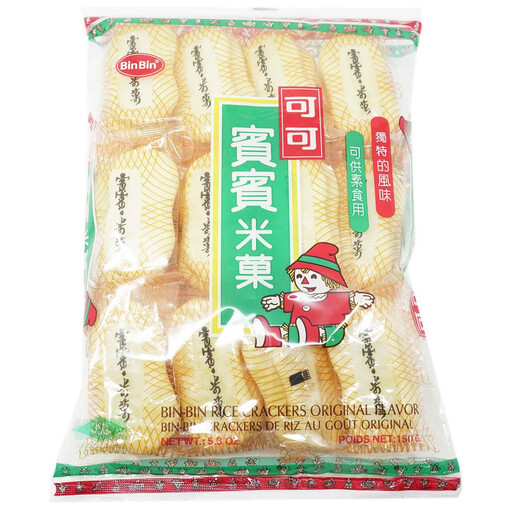
Bin Bin Rice Cracker Original Flavour, 150 g
The original flavour is another rice cracker option for when you’re out and about. According to the product information, it contains soya and wheat with gluten. If salt content or pack size affects your choice, check the information on the current pack.
View on Joybuy
Frequently asked questions
Are gluten-free rice cakes automatically free from other allergens?
No. ‘Gluten-free’ refers to gluten, not to all other allergens. According to REWE, its REWE Bio gluten-free sesame rice cake contains sesame and may contain traces of milk and soya. Check the ingredients and information on the specific pack against your requirements.
What does the allergen labelling on packaged rice cakes mean?
In Germany, the 14 common allergens and intolerances listed by the Federal Ministry of Agriculture, Food and Regional Identity must be declared when they are used as ingredients. A warning about possible traces is different: check both against the allergens that matter to you.
Should young children have rice cakes as a holiday snack every day?
Rice cakes should not be the only grain option offered regularly to young children. The Federal Institute for Risk Assessment notes that rice products may contain inorganic arsenic; the consumer advice centre recommends offering a variety of grains.
Why should I check the pack after comparing products online?
The pack shows the information for the variety you’re actually planning to take with you. EDEKA notes in its product information that online details may differ from those on the packaging, so check the ingredients, allergens and ‘may contain’ warnings again before you buy.


