
Lieferung heute & morgen

Qualitätsgarantie

Willkommens-Angebote freischalten: KOSTENLOSE Lieferung | Bis zu 80 % RABATT | Kostenlose 30-Tage-JoyPlus-Testphase
App herunterladen
By the Joybuy Product Recommendation OfficerPublished August 29, 2026
Rice cleansers, inspired by Asian beauty rituals, are increasingly popular for their promised ability to gently clarify the skin and impart a radiant glow. However, the market is saturated with products whose marketing claims often create more confusion than clarity. Before you make a purchase, it's crucial to understand the common pitfalls that lead to unsuitable products and disappointed expectations.
This guide will help you understand the key product features and make an informed choice that truly suits your skin type and needs.
The 'Natural is Always Gentle' Fallacy: Many products advertise "natural" rice ingredients. However, this doesn't automatically mean they are suitable for all skin types. Some formulations contain coarse exfoliating particles or high concentrations of plant-based acids that can weaken the skin barrier of sensitive types with daily use. A gentle facial exfoliant should renew the skin, not irritate it.
The Texture Trap: A rich foam or a creamy "mochi" texture feels luxurious, but it's no guarantee of an effective cleanse. Harsh foaming surfactants can strip the skin of essential lipids, leading to dryness, while overly rich creams can leave a film on oily skin and clog pores. Efficacy depends on the cleansing and conditioning agents, not just the sensory feel.
The Unrealistic 'Brightening' Myth: A brightening cleanser can improve the complexion by removing dead skin cells and promoting cell turnover, resulting in a fresher radiance. However, visibly lightening dark spots with a cleanser alone is rare. A cleanser for radiant skin achieves its effect primarily through thorough cleansing, gentle exfoliation, and hydration, which improves the skin's light reflectivity.
To separate the wheat from the chaff, focus on three objective criteria. These will help you evaluate product performance beyond marketing messages.
The term "rice" can refer to various ingredients with different functions.
A crucial but often overlooked factor is the cleanser's pH level. The skin has a natural, slightly acidic pH of about 4.7 to 5.75. A cleanser with a similar pH level (around 5.5) helps maintain this acid mantle, which protects the skin from moisture loss and harmful environmental factors. Look for mild surfactants, often derived from amino acids or coconut, instead of harsh sulfates (e.g., Sodium Lauryl Sulfate/SLS).
A good rice cleanser often combines rice ingredients with other actives to address specific concerns.
Instead of making a one-size-fits-all recommendation, we've matched products based on specific user profiles and the criteria mentioned above.
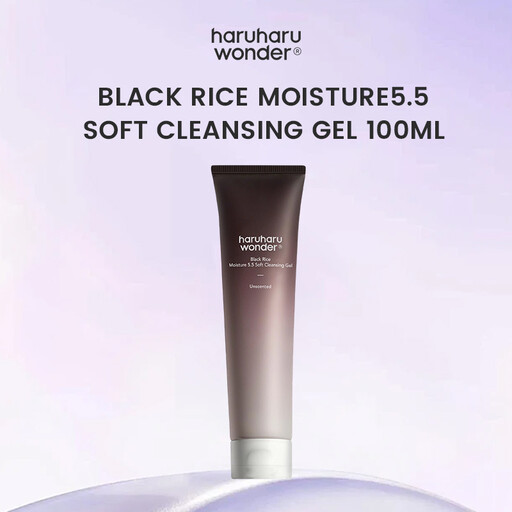
Why This Fits Their Persona: Ideal for users seeking a straightforward, safe, and barrier-friendly cleanse. The lightweight gel texture cleanses effectively without drying out or irritating the skin, making it a perfect choice for daily use, morning and night.
This gel bypasses the 'natural is always gentle' fallacy by focusing on a science-backed parameter: a pH level of 5.5. This actively protects the skin's acid mantle.
Formulated with fermented black rice extract for antioxidant protection. The gel texture lathers and rinses easily without leaving any residue.
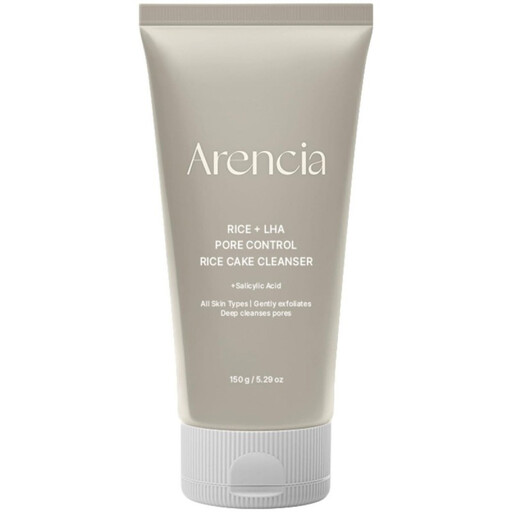
Why This Fits Their Persona: Perfect for those seeking a deep-cleansing solution for clogged pores and excess sebum. The combination of mechanical exfoliation from the texture and chemical exfoliation from LHA offers a dual-action effect.
This cleanser defies the texture trap. Its unique, elastic 'rice cake' texture isn't just a gimmick; it's designed to adhere to impurities and effectively pull them from the pores.
Contains LHA (Capryloyl Salicylic Acid), a gentler form of BHA that specifically targets and dissolves sebum in the pores. The 3-in-1 formula can be used as a cleanser, exfoliant, and short-contact mask.
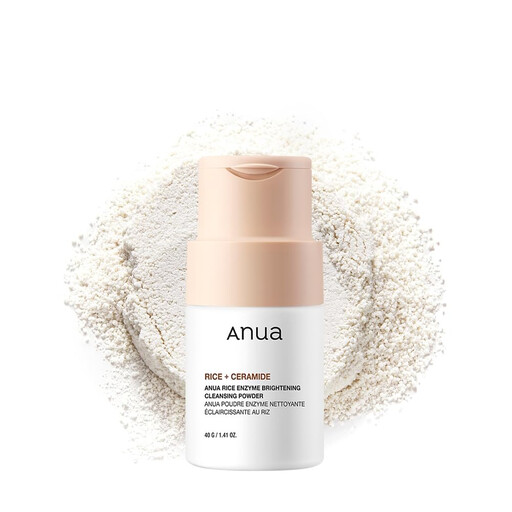
Why This Fits Their Persona: Suitable for users who want a more even skin tone and a smoother surface. The powder form allows for controlled application as a daily cleanser or a more intensive weekly mask.
This product debunks the 'brightening' myth by relying on a combination of proven ingredients. It doesn't promise miracles but delivers a brightening effect through α-Arbutin and gentle enzymatic exfoliation.
The powder-to-foam formula activates on contact with water, ensuring a fresh application every time. It contains ceramides and allantoin to protect and soothe the skin barrier during exfoliation.
We have compiled a complete, up-to-date list of products that fully meet these strict selection criteria and current regulations.
1. How often should you use a rice cleanser with an exfoliating effect? This depends on the type of exfoliation and your skin type. Products with very fine rice powder or gentle enzymes, like the ANUA Cleansing Powder, can be used 2-3 times a week or even daily for non-sensitive skin, according to the manufacturer's instructions. For stronger mechanical exfoliants or products with acids (AHA/LHA), it's advisable to start with 1-2 applications per week and monitor your skin's reaction.
2. Is a rice facial cleanser suitable for acne-prone skin? Yes, it can be beneficial. A gentle rice cleanser helps to clear pores of dead skin cells and excess sebum without overly stripping the skin, which could in turn stimulate more oil production. Look for non-comedogenic formulas and products with anti-inflammatory ingredients like green tea extract or soothing additives like Centella Asiatica.
3. What is the difference between a rice-based cleansing powder and a regular foaming cleanser? A rice-based cleansing powder is a waterless formulation that is activated only upon contact with water. This has two advantages: the active ingredients (like enzymes and vitamins) remain stable until use, and the texture often provides a light exfoliating effect. A conventional foaming cleanser is a pre-mixed liquid or gel that focuses on creating lather and typically does not offer mechanical exfoliation.