If you cook with different grains
If you prepare different types of rice and grains after a trip to the market, clear programmes, quantity guidance and model-specific advice on cooking them together are important.


If you often switch between brown rice, quinoa and other grains, look for clearly specified programmes, the permitted amount of uncooked grain and instructions for each type. A brown rice programme doesn’t guarantee that a mix of different grains will cook evenly. Reishunger offers dedicated quinoa and grain modes on its large Digital Rice Cooker, while the Mini uses the standard mode. For batch cooking, consider both the usable capacity and how to handle leftovers safely. The German Federal Institute for Risk Assessment (BfR) recommends keeping food at a minimum of 60 °C throughout when holding it hot; leftovers for later meals should be cooled promptly.
If you prepare different types of rice and grains after a trip to the market, clear programmes, quantity guidance and model-specific advice on cooking them together are important.
If you cook several portions at once, compare the permitted amount of uncooked grain with what you need, and factor in cleaning and safe storage of leftovers. The BfR recommends cooling food promptly if you plan to eat it later.
If you prefer to cook smaller amounts fresh, a compact appliance’s footprint and features may matter more than a large overall capacity.
Start by checking the instructions and quantities for your grains, then consider the right batch size and how easy the cooker is to use and manage leftovers with.
| What matters when buying | What to check | Who it matters most to |
|---|---|---|
| Programmes for different grains | Check the instructions for the specific grain, cooking programme and water ratio. | If I often switch between brown rice, quinoa and other grains, I want to know what the model actually supports. Around 26% of consumers prioritise suitable programmes. |
| Usable capacity for batch cooking | Compare the maximum amount of uncooked grain allowed for each type with your needs. | When cooking several meals at once, it’s important to know how much uncooked grain the appliance can hold according to its instructions. Around 21% of consumers put a sufficient quantity for the week first. |
| Small portions and countertop space | Compare the appliance’s dimensions, capacity, minimum quantity and programmes. | If I usually cook fresh, smaller amounts, I may not need a large appliance. Around 16% of consumers prioritise small batches and limited countertop space. |
| Ease of use and cleaning | Check for a removable pot, measurement markings, removable parts and cleaning instructions. | If you cook often, you may pay particular attention to how easy it is to measure and serve portions, and clean up afterwards. Around 16% of consumers prioritise a straightforward process. |
| Safe handling of leftovers | Plan to cool food promptly if it’s for later; check the temperature when keeping food hot. | If I batch-cook, I don’t want to leave leftovers out for a long time just because the appliance has a keep-warm function. Around 21% of consumers put safe leftover handling first. |
Overall capacity doesn’t tell you how much uncooked rice or grain you can actually add. For example, Tefal lists an overall capacity of 3 l for the RK1028, but a maximum of 1 l of uncooked rice.
Check the permitted amount of uncooked grain for the specific types you want to prepare.
If the permitted batch size is smaller than the amount you need for the week, you may have to plan to cook in several batches.
Programmes can differ even within the same product range: Reishunger offers dedicated quinoa and grain modes on its large Digital Rice Cooker, while the Mini uses the standard mode for these grains.
Check the programme and instructions for the exact model. If the grains need different cooking conditions, cook them separately or in carefully timed stages.
This may mean extra trial runs or cooking the grains separately.
Bacillus cereus spores can survive cooking. According to the BfR, the temperature of the food matters when keeping it hot, not just the time shown on the display.
Cool leftovers promptly if you’re saving them for later meals. When keeping food hot, the BfR recommends a minimum temperature of 60 °C throughout.
The range includes a larger digital rice cooker and a compact digital Mini.
The Panda Mini and Sakura are programmable models with different capacities.
The range stretches from the mechanical RK1028 to the larger EasyCook+ RK7321.
The manufacturer describes a 5.0-l model for rice, grains and steaming.
This Joybuy selection includes rice cookers in different sizes and with various controls. Capacity and menu details can help you compare the appliances; if you cook with different grains, also check the instructions for the specific model.
 No image available
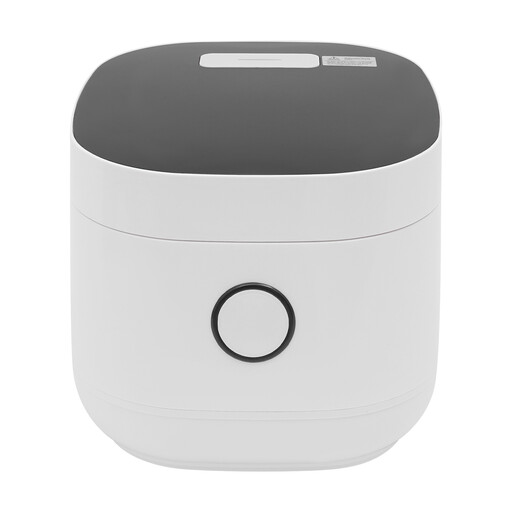
If you’re cooking for several people, compare the stated capacity with what you need.
5 l; 900 W; 9 menus; touch control panel; stainless steel filter basket; 24-hour timer. The product listing states that it serves 5–8 people.
 No image available
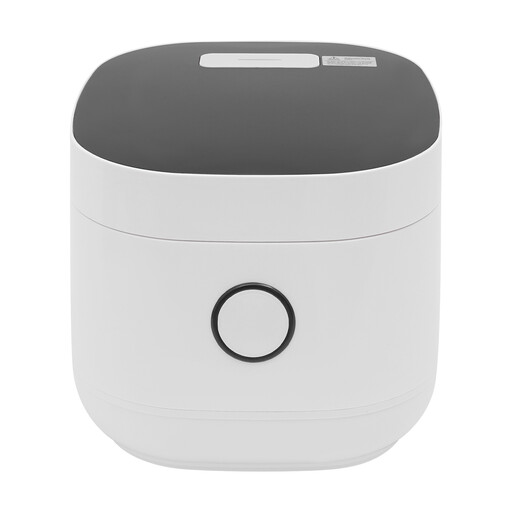
If you want to compare different cooking programmes, check which settings are intended for your grains.
5 l; 900 W; 9 preset menus; timer. The product listing states that it serves 5–8 people.
 No image available
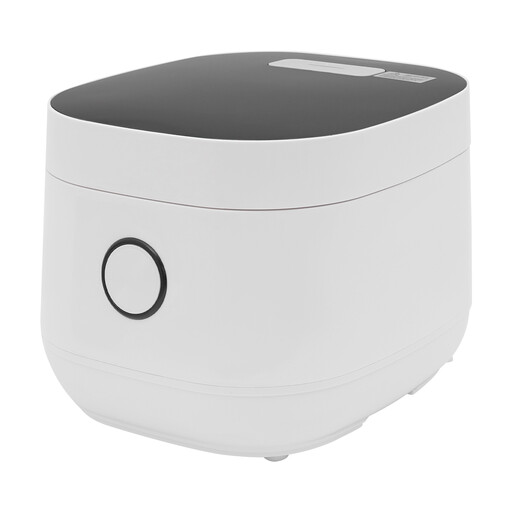
For larger households, the stated capacity is one useful point of comparison; check it against the permitted amount of uncooked grain in the instructions.
5 l; 900 W; 9 preset menus; stainless steel filter basket. The product listing states that it serves 5–8 people.
 No image available
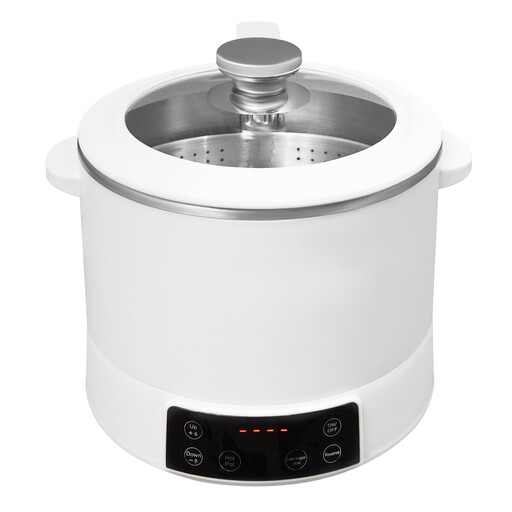
If you usually cook smaller portions, compare the stated number of servings with the amount you typically make.
3 l; 1.500 W; 12-hour timer; hot pot function; rice-water separation. The product listing states that it serves 1–3 people.
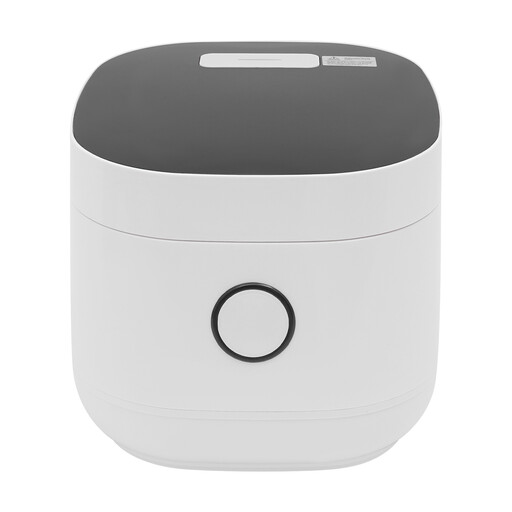 No image available
When cooking several portions, compare the stated capacity with the quantity of your chosen grains permitted in the instructions.
5 l; 900 W; 9 preset menus; stainless steel filter basket; 24-hour timer. The product listing states that it serves 5–8 people.
No. A brown rice programme doesn’t guarantee that different grains will cook properly together. Check the instructions for the specific model, grains and quantities; if they need different cooking conditions, cooking them separately or in carefully timed stages are both options.
A claimed keep-warm time alone doesn’t prove that food stays hot enough throughout. The BfR recommends a minimum of 60 °C throughout when keeping food hot; if you’re planning to eat it later, it’s important to cool it promptly.
Follow the instructions for the specific model. For its large Digital Rice Cooker, Reishunger recommends unplugging the appliance, letting it cool and cleaning the inner pot, inner lid, steaming tray and condensation collector after each use. The instructions for this model say it is not dishwasher-safe.
No. Your statutory rights are a legal claim against the seller if a product is faulty; a manufacturer’s guarantee is an additional voluntary promise with its own terms. For many online purchases, you’ll also generally have a 14-day right to cancel.
No. For products that require it, the manufacturer uses the CE marking to declare that the product meets the relevant EU requirements. It isn’t an independent quality mark, so check the information for the specific model.