What should you look for when buying?
Basic rice cooker without a sushi programme
A good fit if: you prefer simple controls and want to cook the rice shortly before rolling your sushi. Reishunger also explains how to make sushi rice in its basic rice cooker.
The trade-off: Reishunger says its basic model has just one cooking mode; follow the instructions to get the right amount of water.
Compact digital rice cooker with a sushi mode
A good fit if: you usually cook small quantities and would like a dedicated sushi programme or a delay-start timer.
The trade-off: Reishunger says its digital mini cooks up to three portions; its advertised keep-warm function of up to 24 hours doesn’t confirm a particular temperature for the rice.
Larger or more versatile rice cooker
A good fit if: you’re cooking for several people and need to make enough uncooked rice for everyone in one go.
The trade-off: a larger appliance takes up more space; bowl capacity and the permitted quantity of uncooked rice are different measurements.
A timer lets you schedule when cooking starts, but it doesn’t ensure safe storage afterwards: the BfR recommends keeping hot food at a minimum of 60 °C throughout.
| Buying priority |
What should you check? |
Who is this particularly important for? |
| Have the rice ready on time |
Check whether the timer controls when cooking starts and whether it can be used with your chosen programme. Don’t rely on a stated keep-warm time alone. |
If I want to schedule cooking around a set mealtime, timing matters more to me than a long keep-warm time. Around 36% of consumers put planning when the rice will be ready first. |
| Make sushi rice |
Check whether the specific model has a sushi mode or whether the manufacturer recommends using its standard mode for sushi rice. Add the rice vinegar seasoning after cooking. |
If I’m looking for a dedicated programme or clear instructions for sushi rice, the cooking process is my priority. Around 29% of consumers prioritise this. |
| Cook rice for guests |
Compare the quantity of uncooked rice permitted in the instructions with the portions you need; bowl capacity and portion sizes aren’t automatically the same thing. |
If I’m cooking for several guests, I want to make enough rice in one go. Around 21% of consumers focus above all on the quantity cooked per batch. |
| Keep your rice cooker easy to clean |
Check the care instructions for the inner bowl, lid and any other removable parts separately. Dishwasher-safe claims don’t automatically apply to every part or model. |
If I want to keep cleaning to a minimum after a meal, clear care instructions and easily accessible parts matter to me. Around 14% of consumers prioritise easy cleaning. |
Rice cookers at Joybuy
Here you’ll find rice cookers with a range of stated capacities and options for scheduling when cooking starts. For sushi rice and the permitted quantity of uncooked rice, check the instructions for each model.
 No image available
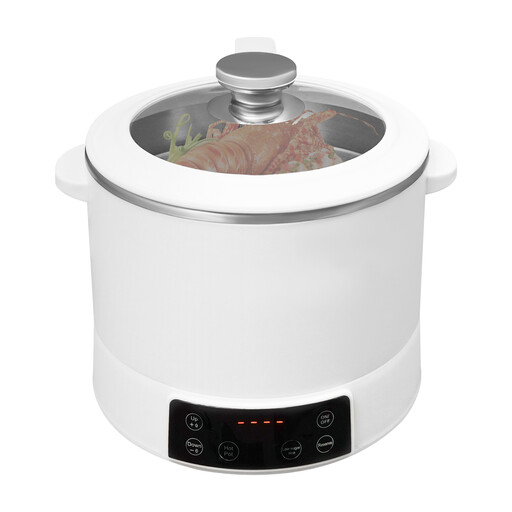
3 l rice cooker with 12-hour delay-start timer
The delay-start timer may be useful if you want to schedule when cooking begins; check the instructions to see which programmes it can be used with.
3 l; 1,500 W; 12-hour delay-start timer; hot pot function.
View at Joybuy
 No image available
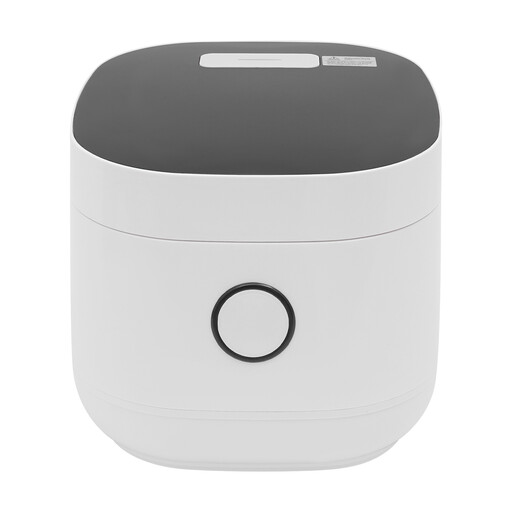
5 l rice cooker with 24-hour timer
For a larger group, the product title says it serves five to eight people; check this against the permitted quantity of uncooked rice.
5 l / 5,28 qt; 900 W; 24-hour timer; nine menus; stainless steel filter basket.
View at Joybuy
 No image available
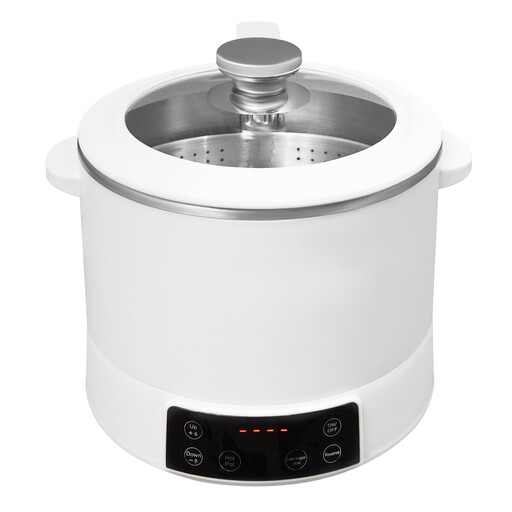
3 l rice cooker with 12-hour delay-start timer and rice-water separation
The delay-start timer can help you plan when cooking begins; check the instructions to see whether it works with your chosen cooking mode.
3 l; 1,500 W; 12-hour delay-start timer; rice-water separation; hot pot function.
View at Joybuy
 No image available
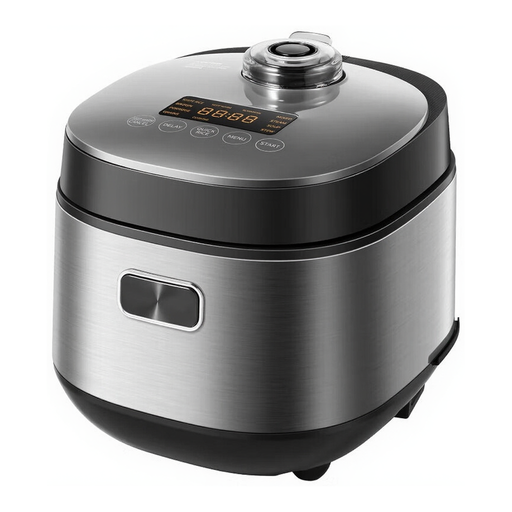
Midea 2 l rice cooker with timer
The timer may be useful for planning when cooking begins; check the instructions to see which modes it can be used with.
2 l; four cups; for one to three people according to the product title; nine functions; 30-minute quick-cook function; 24-hour keep-warm function; steaming basket.
View at Joybuy
 No image available
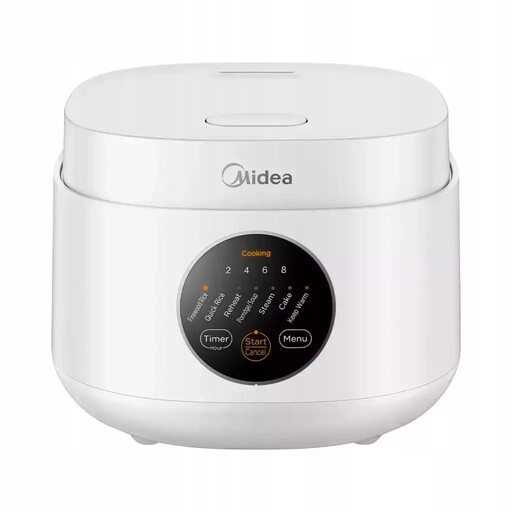
Midea MRD321BBMWH3.0L rice cooker
The product description states that it cooks five to six cups; compare this with your portion size and the quantities given in the instructions.
3 l; 720 W; timer; automatic keep-warm function; removable non-stick inner bowl.
View at Joybuy
Frequently asked questions
Do I need a sushi mode?
No, a sushi mode isn’t essential. Reishunger also explains how to make sushi rice in its basic rice cooker, which has just one cooking mode; a dedicated programme is a convenient option, not a general guarantee of better results.
When should I add the vinegar mixture to sushi rice?
Add the seasoning after cooking. Reishunger recommends mixing the cooked rice with rice vinegar, sugar and salt.
Can I leave cooked rice to cool to lukewarm while preparing sushi?
Don’t rely on this as a safe way to keep food hot. The BfR recommends keeping cooked food at a minimum of 60 °C throughout; alternatively, it recommends cooling it quickly to no more than 7 °C. An advertised keep-warm time for a rice cooker doesn’t in itself confirm that the rice is kept at these temperatures.
How should I store fresh fish until sushi night?
Keep the fish chilled and separate from the warm rice. The Verbraucherzentrale (German consumer advice centre) gives 0 to 4 °C as the ideal storage temperature for fresh fish and recommends keeping it in the coldest part of the fridge and using it promptly. This storage advice alone doesn’t confirm that a particular fish product is suitable for eating raw.
What should I look for in a rice cooker for use in Germany?
Check that the specific appliance has a suitable plug, the correct product labelling and German-language instructions. The Bundesnetzagentur (German Federal Network Agency) lists correct CE marking, accurate manufacturer details and German instructions as points to check. The CE mark is the manufacturer’s declaration of conformity, not an independent quality mark for sushi rice.


