
Lieferung heute & morgen

Qualitätsgarantie

Willkommens-Angebote freischalten: KOSTENLOSE Lieferung | Bis zu 80 % RABATT | Kostenlose 30-Tage-JoyPlus-Testphase
App herunterladen
Not all rice snacks are created equal. The variety is vast, ranging from chewy, soft rice cakes for Korean cuisine to crispy, savory crackers for snacking. This diversity often leads to buying the wrong product. Someone shopping for an authentic Tteokbokki needs a different product than someone looking for a light office snack. Before you make a decision, it's helpful to know the most common pitfalls that can lead to disappointment.
To ensure you find the right product for your needs, you should check three key parameters. These will help you objectively evaluate a product's quality and intended use.
The foundation of any rice snack is, as the name suggests, rice. But the variety and processing method are crucial in determining its texture and suitability.
Clearly define your goal before buying. Are you looking for a ready-to-eat snack or an ingredient for a specific dish?
A quick look at the back of the package can be very revealing.
Here are some recommendations tailored to different needs and preferences.
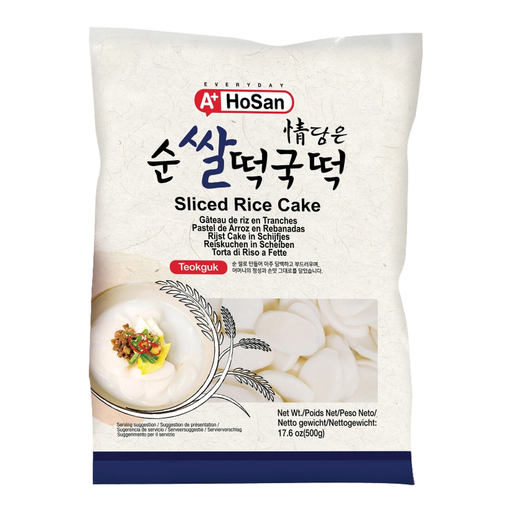
Why this product is a great fit: These sliced rice cakes are specifically designed for preparing Korean dishes like Tteokguk (rice cake soup) or Tteokbokki. They provide the authentic, pleasantly chewy texture that is essential for these meals.
This product is clearly positioned as a cooking ingredient, preventing the mistaken purchase of a seasoned, crispy snack that would be unsuitable for cooking.
A versatile base for a range of Korean soups and stews. According to the manufacturer, the product is gluten-free and suitable for vegan diets.
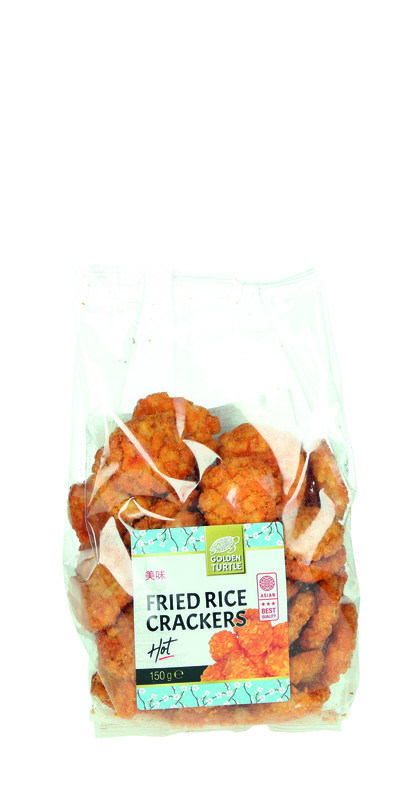
Why this product is a great fit: These crackers deliver a powerful heat and a distinctly crispy texture. They are ideal for social gatherings, as an accompaniment to a drink, or simply for when you're craving an intense, savory snack.
The name "Hot Fried Rice Crackers" is unambiguous. It promises a spicy, fried snack, clearly distinguishing it from mild or soft rice cakes.
Ready to eat with a complex flavor profile of soy sauce, garlic, onion, and chili. The high glutinous rice content (52%) provides a satisfying bite.
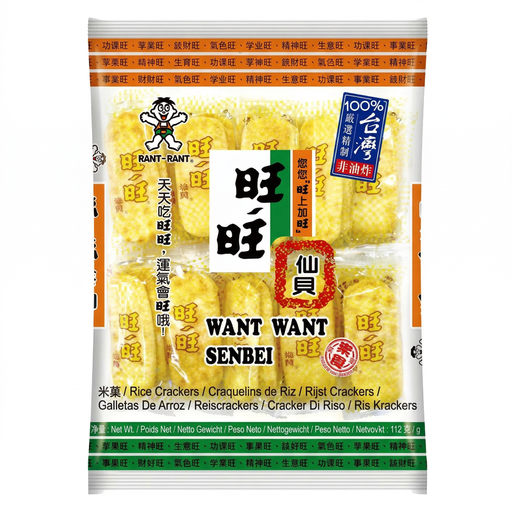
Why this product is a great fit: This product embodies the traditional Japanese Senbei style. It's a light, crispy baked rice cracker with a subtle, balanced sweet-and-savory note, perfect as an accompaniment to tea or as an understated snack.
It avoids the "sugar trap" as the sweetness is traditionally balanced and not overpowering, unlike some snacks adapted for Western markets.
A classic, mild flavor profile that is versatile. The crispy texture is well-preserved thanks to the manufacturing method.
We have compiled a complete, up-to-date list of products that fully meet these strict selection criteria.
The main difference lies in the rice variety and preparation. Tteok are made from glutinous rice flour and steamed, which gives them a soft, chewy consistency. They are usually sold unseasoned as an ingredient for cooked dishes. Senbei, on the other hand, are made from regular rice, then baked or grilled, making them crispy. They are typically offered as a seasoned, ready-to-eat snack.
No. Although rice is naturally gluten-free, many seasoned rice crackers and Asian snacks contain soy sauce, which is traditionally brewed with wheat and therefore contains gluten. Individuals with celiac disease or gluten intolerance should always check the ingredient list for wheat or look specifically for products with a "gluten-free" certification.
A good indicator is the ingredient list. A high rice content (ideally over 50% and listed first) is a sign of quality. Products where sugar, oil, or fillers like corn starch appear high on the list are often of lower quality. The country of origin can also be helpful: products from Japan or South Korea often follow more traditional manufacturing processes.