
Lieferung heute & morgen

Qualitätsgarantie

Willkommens-Angebote freischalten: KOSTENLOSE Lieferung | Bis zu 80 % RABATT | Kostenlose 30-Tage-JoyPlus-Testphase
App herunterladen
Rice crackers are more than just a crispy side dish. They are a staple of Asian snack culture, offering a vast array of flavours and textures. However, anyone in looking to buy savoury snacks online is often faced with an overwhelming selection. All too often, vague product descriptions and exaggerated marketing claims lead to a disappointing snacking experience.
As your Joybuy Product Recommendation Officer, I'm here to help you avoid the common pitfalls and make an informed choice. This guide will show you what to look for to find the exact rice snacks that meet your expectations.
Before you make your selection, you should be aware of the most common issues that lead to purchase mistakes. Many products don't live up to the promises on their packaging.
To separate the wheat from the chaff, you should check three key parameters. These will give you objective clues about the product's quality and character.
The foundation of every cracker largely determines its flavour and texture.
The preparation method has a direct impact on the fat content and crispiness.
The method used to apply flavour to the cracker is crucial for its intensity.
Here are some recommendations tailored to different preferences, taking the above criteria into account.
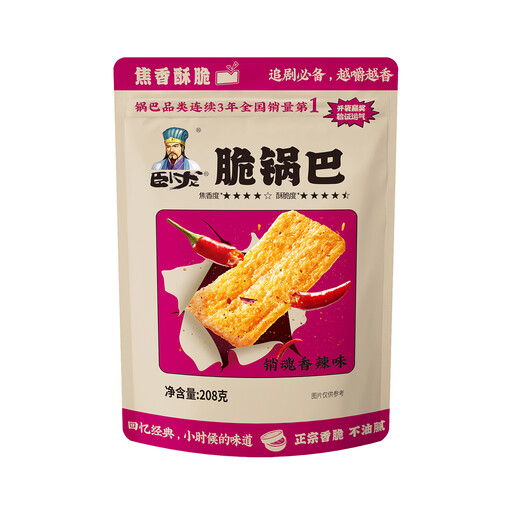
Why This Fits Their Persona: Ideal for anyone seeking a genuinely spicy snack experience that goes beyond mild seasoning. The name says it all.
This product avoids the vague spice level trap. The "Soul-Stealing Spicy" name and an ingredient list featuring chilli and spices clearly signal a high level of heat.
Its base, a blend of various flours (corn, wheat, millet, soy), creates a complex, crispy texture that stands out from pure rice crackers.
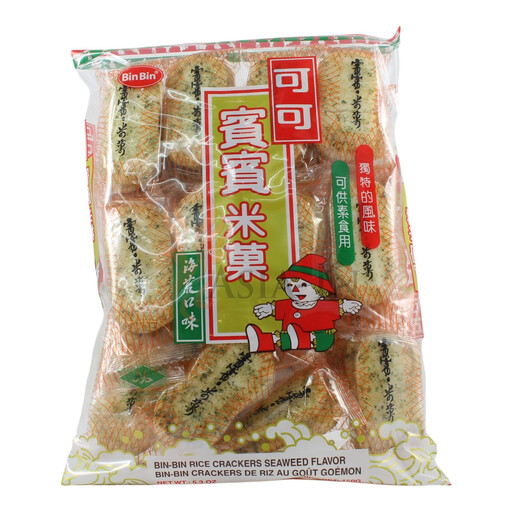
Why This Fits Their Persona: Perfect for snack lovers who appreciate the classic sweet-and-salty flavour of soy sauce combined with the maritime aroma of seaweed—a hallmark profile of many Asian snacks.
This product avoids the empty 'authentic' promise by delivering a specific and recognisable flavour combination (seaweed and soy sauce) instead of hiding behind a vague 'Asian style'.
The crackers are individually wrapped, which preserves freshness and crispiness after the main package is opened. The balance of sweet and savoury notes is clearly defined.
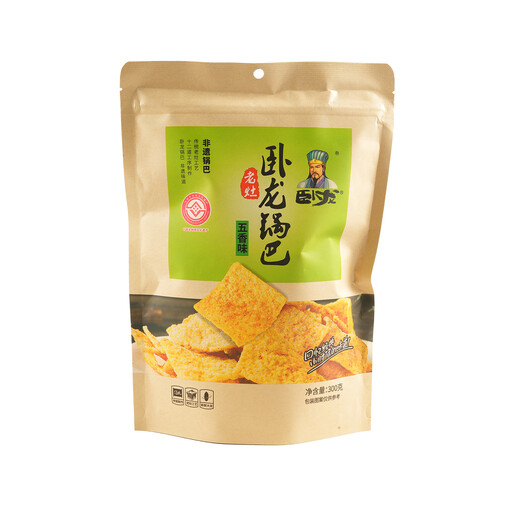
Why This Fits Their Persona: Appeals to consumers who are actively seeking alternatives to conventional rice products and appreciate the texture and flavour of millet.
This product tackles the undefined texture problem by clearly stating a millet content of ≥65%. This promises a specific, dense, and chewy texture that is distinctly different from light, puffed rice crackers.
The product is made using a low-temperature baking process and is not fried. The high millet content is an objective quality marker for fans of whole-grain snacks.
We've compiled a complete, up-to-date list of products that fully meet these strict selection criteria and local regulations.
1. What is the difference between Japanese and Chinese rice crackers? Although the lines can be blurry, there are general differences. Japanese rice crackers, such as Senbei or Arare, are often baked or grilled, have a hard, very crunchy texture, and are frequently finished with a soy sauce glaze. Chinese snacks like Guo Ba (锅巴), a type of scorched rice crisp, are often fried and can have a thicker, airier, or even chewier consistency. However, the variety in both culinary cultures is enormous.
2. How do I store rice crackers correctly to keep them crispy? The key to maintaining crispiness is protecting them from humidity. Always store opened packages in an airtight container in a cool, dry place. Many of the products featured here include individually wrapped portions, which significantly extends freshness after opening the main bag.
3. Are rice crackers a lighter alternative to potato chips? This heavily depends on the production method. Baked rice crackers, especially those based on whole grains like millet crackers, can have a lower fat content than fried potato chips. Fried rice crackers, on the other hand, can have a similar energy density (calories). It is always wise to compare the nutritional information per 100g, especially the fat content and energy value (kJ/kcal), to make an informed decision.