
Lieferung heute & morgen

Qualitätsgarantie

Willkommens-Angebote freischalten: KOSTENLOSE Lieferung | Bis zu 80 % RABATT | Kostenlose 30-Tage-JoyPlus-Testphase
App herunterladen
A rice face cream combines rice extracts, often used in Korean skincare, with moisturising ingredients. Depending on the formula, it can be used as a lightweight day cream, a richer cream or a milky lotion. But the word ‘Rice’ on the packaging shouldn’t be the only thing you consider. Your skin type, the texture, the ingredients and what the formula actually does are all important when choosing a product.
‘Rice’ can be included in various forms, such as rice extract, rice bran water, fermented rice or hydrolysed rice protein. The name alone doesn’t tell you how hydrating or barrier-supporting the product is. If you want to care for dry skin, also look for glycerin, hyaluronic acid, oils, squalane or ceramides.
A brightening face cream often contains niacinamide or rice ingredients which, according to the product description, are intended to help skin look more even and radiant. This doesn’t guarantee a change in your skin tone. If you have visible dark spots, daily sun protection with a suitable SPF remains an important part of your skincare routine.
A fast-absorbing cream may feel comfortable on combination skin, while very dry skin may need a richer texture. Conversely, products with lots of oils or a highly occlusive formula may feel heavy on blemish-prone skin. So the right face cream for dry skin won’t necessarily suit everyone with combination skin.
Humectants such as glycerin, butylene glycol, betaine or hyaluronic acid are useful for daily hydration. A hyaluronic acid cream can help bind water in the upper layers of the skin, leaving it feeling smoother. Ingredients that support the skin barrier include ceramides, cholesterol, phytosphingosine, lecithin and skin-identical lipids.
A ceramide cream can be a good choice if your main concerns are tightness or dry skin. Ideally, the product label should specify which ceramides it contains. For example, the Anua milky lotion lists ceramides NP, AS, AP, NS and EOP.
Lightweight, non-sticky formulas work well in the morning under make-up. Richer creams may feel more comfortable in the evening or on dry areas of the face. A milky lotion is another option if you want intense hydration but prefer not to use a heavier cream.
Most products are applied to the face and neck after cleansing, toner and serum. If you have sensitive skin, try a patch test on a small area first. Stop using the product if you experience stinging, redness, itching or any other reaction.
The full INCI list on the product packaging is the best guide, as formulas can be updated. Fragrance, essential oils and certain plant extracts may be worth checking if you have sensitive skin. Only rely on claims such as ‘vegan’, ‘cruelty-free’ or ‘natural’ when they are clearly stated by the retailer or brand.
When choosing vegan Korean skincare, it’s also worth checking the specific product description. Vegan-friendly claims may refer to the formula; they don’t automatically apply to every component of the packaging.
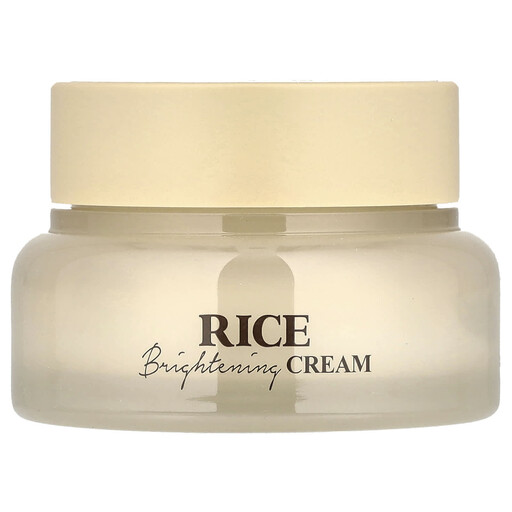
Why it suits this profile: This lightweight cream is easy to work into your daily routine, morning and evening. Niacinamide, glycerin and rice ingredients will appeal if you want to combine hydration with a more even-looking complexion.
The description names specific ingredients rather than relying on ‘Rice’ alone as a selling point. Its non-sticky texture is also stated as a product feature.
60 ml size, niacinamide and adenosine in the listed INCI ingredients, plus a fast-absorbing cream base.
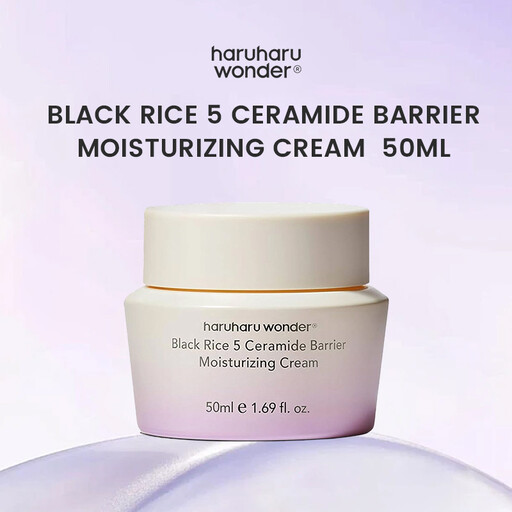
Why it suits this profile: This formula is for anyone looking for a Korean face cream with ceramides and a focus on supporting the skin barrier.
The product details list an encapsulated complex of five ceramides, along with allantoin and vitamin E. This makes its barrier-care benefits easier to assess than a product promoted on the basis of rice alone.
Fermented black rice, listed ceramides and a texture described as non-greasy.
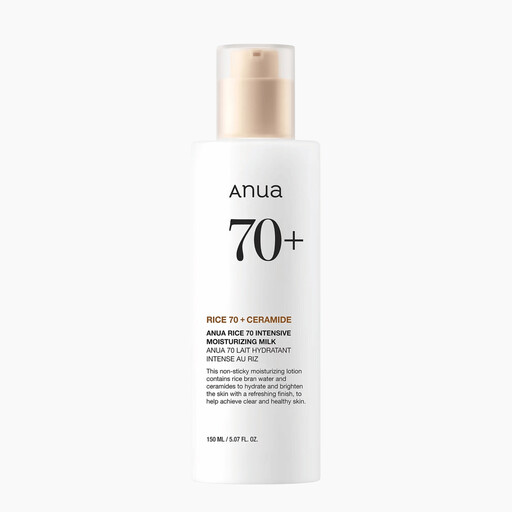
Why it suits this profile: The generous 150 ml size and layerable, milky texture suit anyone who uses a lot of product each day or prefers a lotion to a traditional cream.
As well as rice water, the description names niacinamide, squalane, ectoin, hyaluronic acid and several ceramides. This makes it easier to assess the different ways the formula cares for your skin.
150 ml size, several listed ceramides and different forms of hyaluronic acid in the stated INCI list.
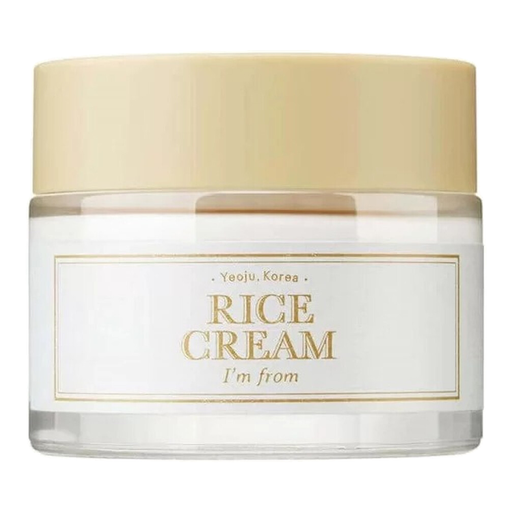
Why it suits this profile: The product description states that the formula is vegan and cruelty-free, with no artificial colourants or fragrance. This may appeal if these are important factors in your choice.
Rather than promoting rice alone, the formula also lists rice bran water, ceramide NP, shea butter and sodium hyaluronate.
Contains 41% rice bran water according to the product details, plus ceramide NP; the formula is stated to be vegan and fragrance-free.
We’ve put together a comprehensive, regularly updated list of products that meet these strict selection criteria and fully comply with the safety regulations in force in the EU.
A rice cream is usually applied as the final step in your skincare routine. If you have dry skin, you can apply a little extra to your cheeks or any other areas that feel tight. If you have combination skin, it may help to start by applying the cream only to dry areas, using a thinner layer on your T-zone.
If a product contains fragrance or essential oils, it’s worth checking the INCI list carefully if you have sensitive skin. For example, ‘Parfum’ is listed in the SKINFOOD cream; according to the product details, the Haruharu Wonder cream with ten forms of hyaluronic acid contains lavender oil. You can’t tell how well a product will suit your skin from its name alone.
It depends on the formula as a whole. Rice extract alone doesn’t determine how rich a cream is. For dry skin, other factors to consider include added humectants, ceramides, lipids or nourishing oils. A cream should feel comfortable after application and shouldn’t leave your skin feeling tight for a prolonged period.
According to the product descriptions, the products mentioned are intended for daily use in the morning and/or evening. In the morning, apply a suitable sun cream afterwards. When trying a new product, introduce it gradually, especially if you have sensitive or blemish-prone skin.
Check the best-before date printed on the packaging and the PAO symbol, which indicates how long the product can be used after opening. Store the cream in a cool, dry place away from direct sunlight. If the colour, smell or texture changes, this may be a sign to stop using it.