
Same-day & Next-day Delivery

Quality Guaranteed

Unlock Your Welcome Offers: FREE Delivery | Up to 80% OFF | Free 30-day JoyPlus trial
Download the APP
Not all rice flour is the same. The type of rice, how finely it is milled and what you plan to use it for can all make a big difference to the texture, binding and mouthfeel of your food. If you focus only on a low price or eye-catching claims such as “authentic”, you could end up with a product that isn’t right for your recipe.
1. Confusing rice flour with glutinous rice flour.
Regular rice flour is made from ordinary rice. It’s suitable for rice noodles, light batters, sauces and gluten-free baking, among other things. Glutinous rice flour, on the other hand, is made from glutinous rice and develops a chewier, more elastic consistency when heated. It’s often used for mochi, tangyuan, rice cakes and certain Asian desserts. The two aren’t always interchangeable.
2. Taking “gluten-free” at face value without checking the ingredients.
Rice is naturally gluten-free. However, traces of other grains can find their way into a product during processing. If you need to follow a gluten-free diet for medical reasons, check the packaging, allergen information and, where available, details about the production environment.
3. Assuming that finely milled rice flour is suitable for everything.
Finely milled rice flour is usually easy to mix into liquids. However, it won’t automatically replace wheat flour in bread or cakes at a 1:1 ratio, as it lacks the gluten needed for elasticity and a stable dough. Many baking recipes work better with a blend of other gluten-free flours or starches.
For rice flour for baking, pancakes, crispy batters and sauces, regular rice flour is usually the best starting point. According to their product descriptions, options such as Basak Rice Flour, Sunlee Rice Flour and Cockbrand Rice Flour are made from regular rice.
For rice flour for mochi and other chewy desserts, look for a product explicitly labelled as glutinous rice flour or “Glutinous Rice Flour”. Farmer Brand, Erawan, Cock Brand Thai and Sunlee Glutinous Rice Flour all fall into this category. Here, “glutinous” refers to the type of rice, not gluten content.
A short ingredients list makes it easier to assess a product. Several of the products featured here list only rice or glutinous rice, and sometimes water. This suggests a simple composition, but you should still check the current packaging for the latest information.
Pay particular attention to:
For example, Müllers Mühle Fine Rice Flour carries a warning that it may contain traces of wheat. This is an important distinction for households that need to avoid gluten strictly, compared with products whose allergen information doesn’t list any such traces.
To thicken with rice flour, mix it into cold liquid before heating the mixture. This helps reduce lumps. A fine powder is handy for soups, sauces and puddings.
For rice flour for rice noodles or steamed batters, the recipe and amount of water make a big difference. In Vietnamese cooking, regular rice flour is used for dishes such as Bánh Xèo and Bánh Cuốn. For desserts with a distinctly chewy texture, glutinous rice flour is the better choice.
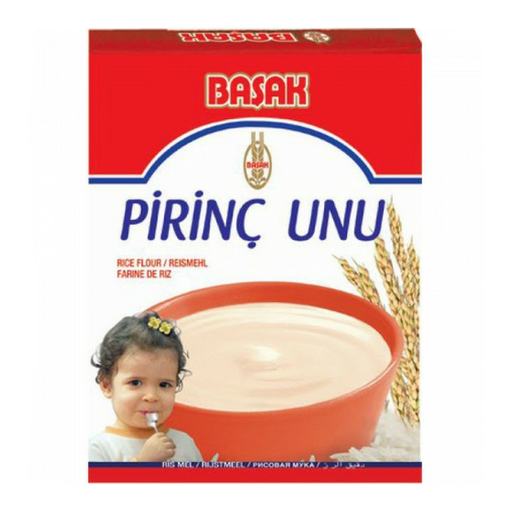
Why this product suits this profile: The 250 g pack is a manageable way to try rice flour in Turkish desserts, sauces and gluten-free recipes, without buying a larger quantity straight away.
The ingredients list states 100% rice flour, so it’s clear that this isn’t glutinous rice flour for mochi.
Fine texture, made with 100% rice flour according to the product description, and versatile for thickening, baking and making Sütlaç.
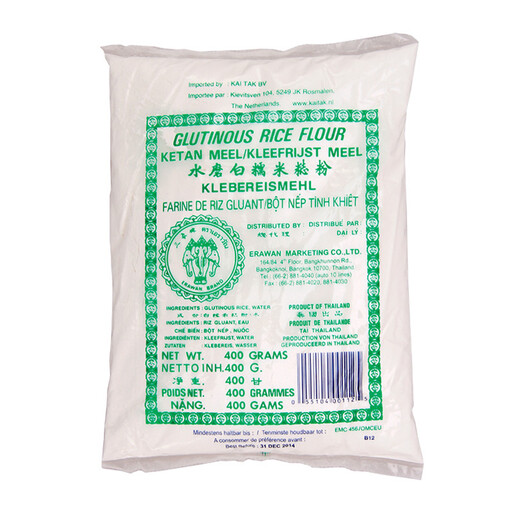
Why this product suits this profile: If you’re looking to make Asian desserts with a sticky, elastic texture, this clearly labelled glutinous rice flour from Thailand is a good fit.
The label “Glutinous Rice Flour” clearly distinguishes it from regular rice flour used for sauces or rice noodles.
400 g pack, made with glutinous rice and water according to the product description, and listed as originating from Thailand.
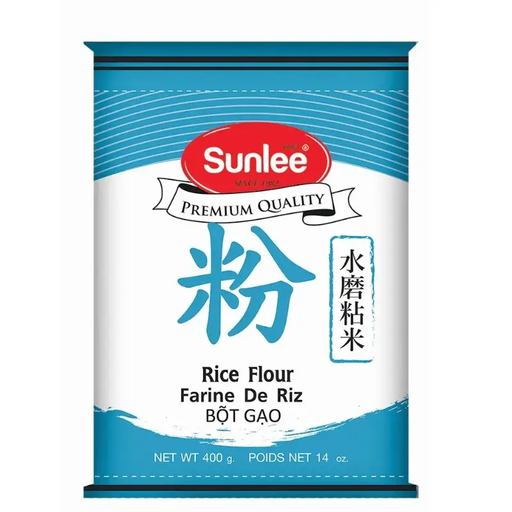
Why this product suits this profile: For households that regularly cook Asian food, bake and thicken sauces, the 400 g pack is a versatile size to keep in the cupboard.
The product description lists white rice as the only ingredient and specifically recommends the flour for desserts, rice noodles, batters and sauces.
Fine consistency, neutral flavour according to the description, and listed as originating from Thailand.
We’ve put together a complete, regularly updated list of products that meet these strict selection criteria and fully comply with the safety regulations in force in the EU.
Once opened, keep the pack dry and tightly sealed. An airtight container helps protect the flour from moisture and kitchen odours. The best-before date is shown on the packaging.
For sauces and soups, mix the rice flour into cold liquid first. For gluten-free baking, you can combine rice flour with potato or tapioca starch, as well as other gluten-free flours. Use glutinous rice flour in the quantities specified by your recipe, as it changes the texture much more than regular rice flour.
Rice is naturally gluten-free. Whether a particular product is suitable for a strictly gluten-free diet also depends on its labelling and any warnings about possible traces. For example, Müllers Mühle warns that its product may contain traces of wheat. Check the packaging before each purchase and use.
Depending on the recipe, you may be able to use it at a 1:1 ratio to thicken sauces and soups. However, replacing wheat flour entirely in bread and cakes usually requires adjustments, as rice flour doesn’t form gluten. Blends with other gluten-free flours and starch can help create the texture you want.
For mochi, you’ll need glutinous rice flour, often sold under the English name “Glutinous Rice Flour”. Regular rice flour is intended for a lighter or crispier texture and won’t give you the same chewy consistency.