
Same-day & Next-day Delivery

Quality Guaranteed

Unlock Your Welcome Offers: FREE Delivery | Up to 80% OFF | Free 30-day JoyPlus trial
Download the APP
Rice flour isn’t all the same. If you pick up a packet without checking, you could end up with the wrong texture for dumplings, rice cakes or gluten-free bakes. Three common misunderstandings can lead to a disappointing purchase: confusing rice flour with glutinous rice flour, mistaking “rice starch” for ordinary rice flour, and relying on a “gluten-free” claim without checking the allergen information.
Pack size also matters for home cooks in the UK. A 400-g bag is handy for occasional recipes, while 908 g of rice noodles or larger quantities may be more practical for family meals and frequent cooking. That’s why our selection takes account of ingredients, grind, intended use, origin information and storage.
Ordinary rice flour is made from regular rice. It usually has a fine, fairly dry texture and is used for batters, sauces, soups, rice pancakes and rice noodles, among other things.
Glutinous rice flour, on the other hand, is milled from glutinous rice. It doesn’t automatically contain gluten, but when heated it develops a much stickier, more elastic texture. That’s ideal for mochi, tangyuan, Bánh trôi nước, sticky rice cakes and certain dumplings, but is often unsuitable for light bakes.
Rice starch is better suited to thickening and creating a smooth, sometimes glossy texture. It’s used, for example, to thicken sauces and soups or as an ingredient in certain dumpling doughs. Rice flour, by contrast, contains other parts of the milled rice grain as well as starch, and can provide more structure depending on how finely it’s ground.
So, check the ingredients before you buy. If the list says only “Rice Starch” or “rice starch”, it isn’t traditional rice flour.
Rice is naturally gluten-free. However, when choosing gluten-free rice flour, you should also check the packaging. According to manufacturers, some products may be processed in facilities that also handle wheat or other allergens. If you have coeliac disease or a diagnosed intolerance, check the latest information on the packaging and seek professional advice if needed.
A short ingredients list is useful if you want rice flour that’s as versatile as possible. According to product information, products such as Cockbrand Rice Flour, Sunlee Rice Flour and Erawan Rice Flour are made from rice or white rice. Blends for Bánh Cuốn or Bánh Giò may also contain tapioca starch or other starches. These blends are made for a particular type of dough and aren’t always suitable as a general-purpose flour substitute.
Also look out for the terms Rice Flour, Glutinous Rice Flour and Rice Starch. Each has different properties when it comes to cooking and baking.
Finely ground rice flour is easier to mix with liquids. It’s suitable for pancakes, cake batters, thickening soups and delicate Asian desserts. Texture can also matter for crispy batters, although the recipe itself is what counts.
With glutinous rice flour, the texture after heating is key. It’s used not for a light structure, but for its sticky, elastic properties. So, you’ll need glutinous rice flour specifically for mochi, rice cakes and soft dumplings.
A 400-g pack is usually a manageable size for occasional baking and cooking. If you often make rice noodles, Bánh Cuốn or desserts, 500-g packs or larger may be more suitable. Once opened, store the powder in a cool, dry place in an airtight container if possible. Moisture can affect how freely it pours and shorten its shelf life. Always follow the best-before date on the packaging.
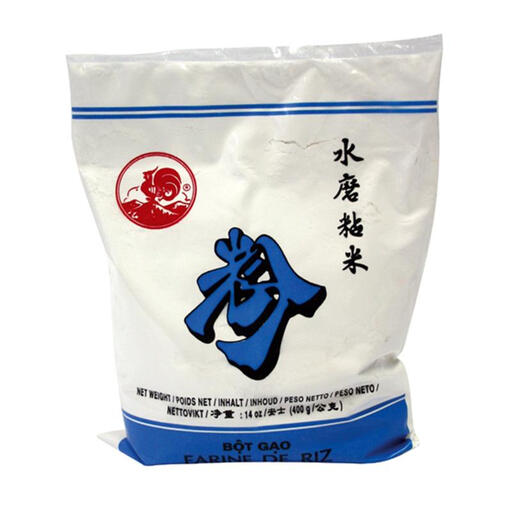
Why this product suits this profile: The 400-g pack is a handy introduction for baking, sauces, soups and your first Asian recipes. According to the product information, it’s made from 100% Thai rice and contains no added sugar or salt.
The name Rice Flour distinguishes it from glutinous rice flour and rice starch. The ingredients list is short and clear.
Fine texture, neutral flavour and versatile use as rice flour for baking or as a thickener.
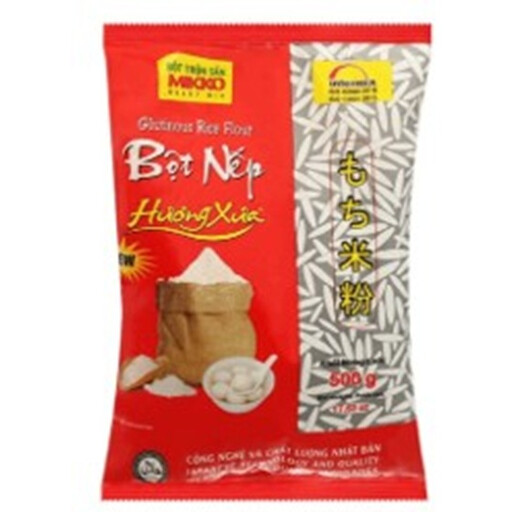
Why this product suits this profile: The Vietnamese name Bột Nếp indicates that this is glutinous rice flour. It’s a dedicated choice for desserts, rice cakes and dumplings with an elastic texture.
You can choose this type for recipes that need stickiness and bite, rather than accidentally buying it as a neutral flour for baking.
A 500-g pack, finely milled texture and, according to the product information, an ingredients list containing glutinous rice flour.
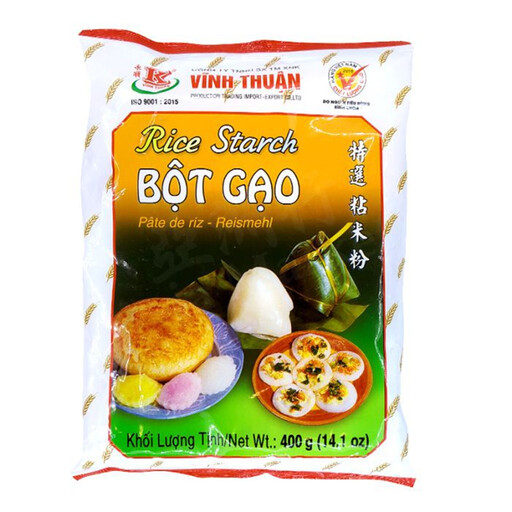
Why this product suits this profile: Rice starch is a specialist choice for sauces, soups and certain dumpling recipes. It’s a good fit for households that regularly cook Vietnamese or South-East Asian food.
The clear name Rice Starch helps prevent it being mistaken for an all-purpose rice flour.
According to the product information, it contains rice starch and is intended for thickening and as a base for dumplings.
We’ve put together a complete, regularly updated list of products that meet these strict selection criteria and fully comply with the safety regulations in force in the EU.
Not every flour is right for rice noodles. Thin Vietnamese rice noodles such as Bún tươi are usually bought ready-made and served in soups, salads or summer rolls. Sunlee Vietnamese Rice Vermicelli, for example, is available in 454 g and 908 g packs. For a rich broth, a thicker option such as Sunlee Thick Rice Vermicelli is a better choice for Bún bò Huế.
According to the product information, specialist blends such as Vĩnh Thuận Flour For Wet Rice Paper Bánh Cuốn contain rice flour and tapioca starch. They’re designed for soft, flexible steamed rice paper rolls. If you buy a blend like this, follow the recommended amount of water and resting time rather than using it as if it were ordinary rice flour.
Rice contains no gluten naturally. However, whether a particular product is suitable for a strictly gluten-free diet depends on its labelling and any information about possible traces. Check the packaging before each use.
Not in every recipe. Rice flour contains no gluten, so it creates a different dough structure. Cakes, bread and yeasted doughs often need a blend with other gluten-free flours or starches. Depending on the recipe, rice flour may be easier to substitute when used as a thickener in sauces.
The best-before date applies to the unopened pack stored under the conditions stated on the packaging. Once opened, rice flour should be stored in a cool, dry place in an airtight container. Don’t use it if its smell has changed, it has become damp or you notice anything unusual.