
Lieferung heute & morgen

Qualitätsgarantie

Willkommens-Angebote freischalten: KOSTENLOSE Lieferung | Bis zu 80 % RABATT | Kostenlose 30-Tage-JoyPlus-Testphase
App herunterladen
The term "vermicelli" can be confusing, as it describes a wide variety of thin noodles from different global cuisines. From Vietnamese rice noodles and Korean glass noodles to Mediterranean fine wheat noodles, the selection is vast, and making the right choice is crucial for the success of your dish.
This guide is designed to clarify the differences between the most common types of vermicelli. It will help you identify the perfect variety for your specific recipe and make an informed purchasing decision when you want to order thin noodles online.
To find the right noodles for your culinary needs, you should consider three key aspects: the base ingredient, the intended culinary use, and the shape of the noodles.
The ingredient used to make the noodles is the primary determinant of their texture, flavour, and suitability for different dishes.
The choice of noodle depends directly on the dish you plan to make.
Here is a selection of different vermicelli types suitable for various culinary traditions.
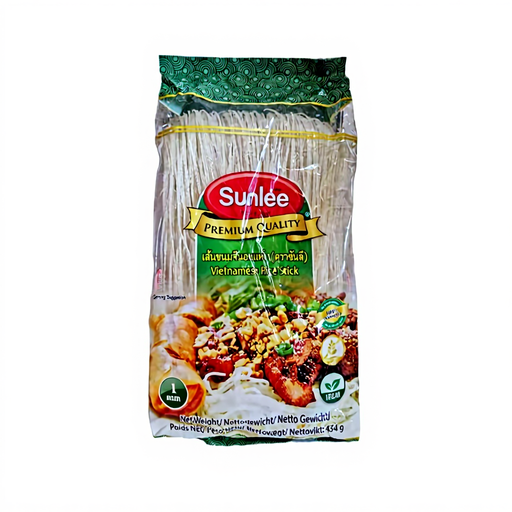
What makes this product stand out: According to the manufacturer, these noodles are made from 100% rice and are the authentic choice for traditional Vietnamese dishes. Their delicate texture is specially designed for soups and fresh rolls.
Advantages:
Who is it for? For home cooks and enthusiasts of Vietnamese cuisine looking for authentic Bún rice noodles for their recipes.
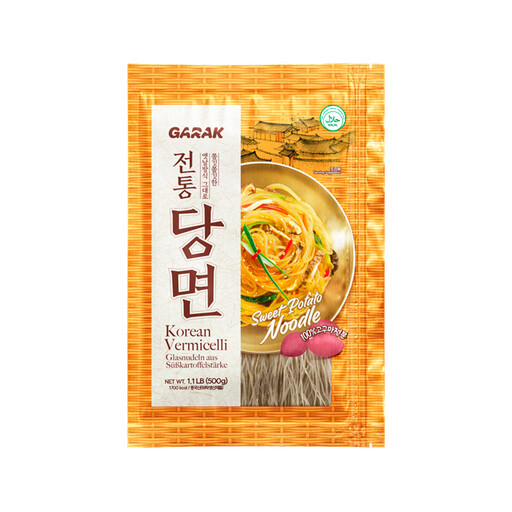
What makes this product stand out: These glass noodles consist of 100% sweet potato starch, which gives them their typical translucent appearance and a particularly chewy, springy texture. They are a key ingredient in Korean cuisine.
Advantages:
Who is it for? Ideal for preparing the Korean noodle dish Japchae or for salads and soups where a chewy noodle is desired. A great choice for a gluten-free diet.
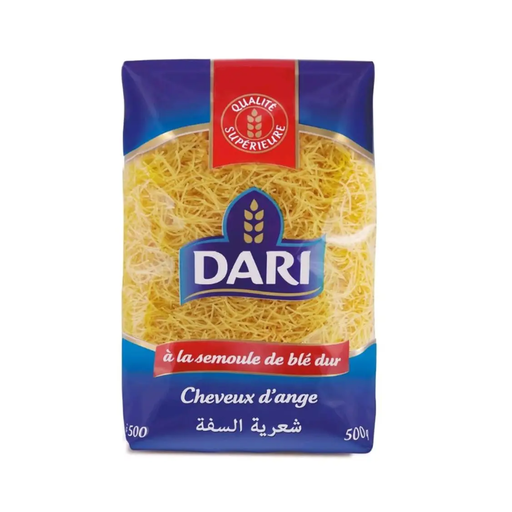
What makes this product stand out: This vermicelli is crafted from 100% durum wheat semolina and resembles small grains of rice or short threads in shape. It is a staple in Mediterranean and Middle Eastern cuisine.
Advantages:
Who is it for? For cooks preparing dishes from the Mediterranean or the Middle East who need a robust, wheat-based noodle that adds structure and substance.
Our selection covers some of the most common types of vermicelli. If you are looking for more specialised Asian noodles or other forms of rice noodles and fine noodles, you will find more products to suit your cooking style in our comprehensive category.
Discover our entire range of rice noodles and vermicelli here.
The main difference lies in the base ingredient and the resulting texture. Rice noodles are made from rice flour, and are white and soft after cooking. Glass noodles are made from plant starch (e.g., from mung beans or sweet potatoes), become translucent when cooked, and have a chewy, springy texture.
No, it depends on the ingredient. Rice noodles and glass noodles made from pure starch are generally gluten-free. Vermicelli made from wheat, like the ?ehriye variety, contains gluten. It is always wise to check the ingredient list on the packaging to be certain, especially if you have allergies or intolerances.
Preparation varies by type. Very thin rice noodles often only need to be steeped in hot (not boiling) water for a few minutes. Glass noodles are typically boiled for 6–8 minutes and then rinsed with cold water to preserve their texture. Wheat vermicelli is cooked like traditional pasta in boiling, salted water. The exact instructions can always be found on the product packaging.