
Lieferung heute & morgen

Qualitätsgarantie

Willkommens-Angebote freischalten: KOSTENLOSE Lieferung | Bis zu 80 % RABATT | Kostenlose 30-Tage-JoyPlus-Testphase
App herunterladen
From pho to pad thai, the world of Asian noodle dishes is diverse and fascinating. At the heart of many of these classics are rice noodles. But anyone standing in front of the supermarket shelf or browsing an online shop can quickly feel overwhelmed: thin, wide, round, flat, dried, or as an instant meal. Choosing the wrong noodle can quickly ruin an authentic taste experience.
As your Joybuy Product Recommendation Officer, I'll help you avoid the common pitfalls of buying rice noodles and find the right variety for your culinary plans. We'll focus on the facts so you can make an informed decision.
Many home cooks grab the wrong package because the differences seem minimal at first glance. This often leads to two problems:
To avoid these mistakes, you should pay attention to three key features before buying. These determine whether the noodle is right for your dish.
The geometry of the noodle is no accident; it's perfectly tailored to specific dishes. A general guide can help with your selection:
For purists and people with gluten intolerance, this point is crucial. High-quality Asian noodles made from rice require only a few ingredients: rice flour and water. Sometimes salt or tapioca starch is added to improve the texture. A short and understandable ingredients list is often a sign of a pure, unadulterated product.
Instead of making a one-size-fits-all recommendation, we have selected products for different user profiles.
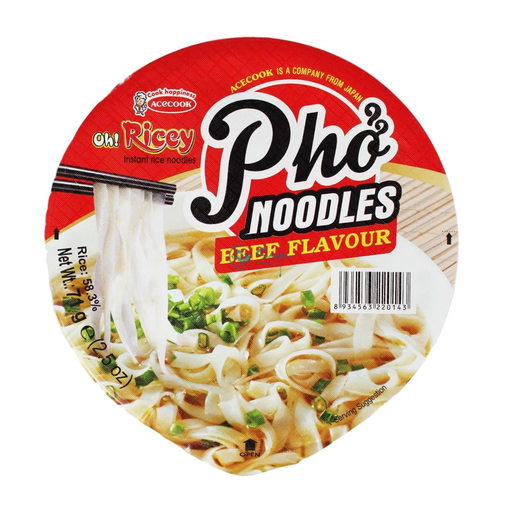
Why This Fits Their Persona: Ideal for professionals or students looking for a quick yet flavourful meal. This product delivers a complete noodle soup, inspired by Vietnamese pho, in just a few minutes.
The product is clearly labelled as an instant meal for a beef soup. This ensures you are intentionally buying an all-in-one solution, not accidentally picking the wrong noodle for a different dish.
Extremely fast preparation (3-4 minutes); all flavour components (broth, oil, vegetables) are already included.
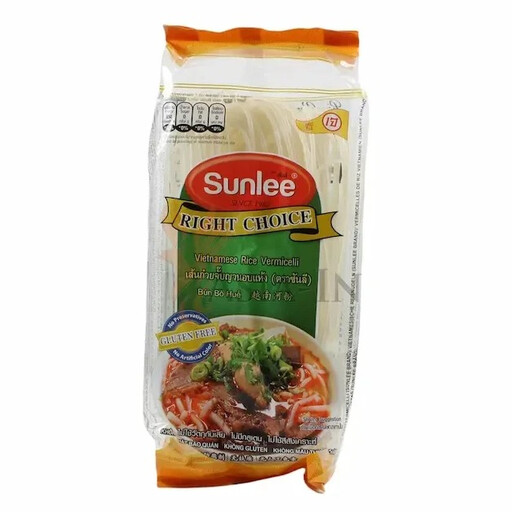
Why This Fits Their Persona: Perfect for anyone who wants to recreate the authentic taste of Vietnamese cuisine at home. These noodles are specifically designed for the rich and spicy Bun Bo Hue soup.
The product name "Bún bò Hu?" prevents mix-ups. You are specifically buying the correct noodle thickness that won't get mushy in the rich broth, thus avoiding the mistake of using the wrong noodle width.
Made from only rice and water, which indicates a pure product. The thick, firm texture is ideal for soups and stews.
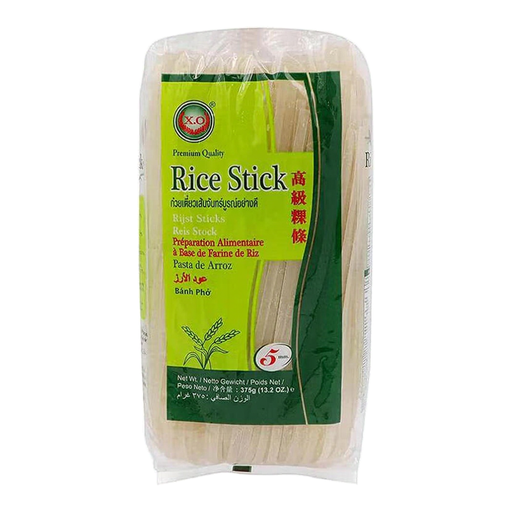
Why This Fits Their Persona: For cooks who love to experiment and need a noodle that works for various dishes. The medium 5 mm width is a great compromise for stir-fries like Pad Thai and soups like Pho.
This noodle is an all-rounder, preventing you from buying overly specialised noodles that sit in the cupboard for just one dish. It offers flexibility without major compromises on texture.
Versatile medium width; maintains a firm, al dente consistency. The ingredients list is short, and the product is gluten-free.
We've compiled a complete, up-to-date list of products that meet these strict selection criteria.
1. How do you cook dried rice noodles correctly so they don't stick? The key is to follow the package instructions. Typically, the noodles are first soaked in hot (not boiling) water until they are pliable. Then, they are cooked briefly in boiling water or finished directly in the pan or soup. After draining, the noodles should be rinsed briefly with cold water and tossed with a teaspoon of oil to prevent them from sticking together.
2. Are all rice noodles gluten-free? In theory, yes, as they are made from rice. Dried rice noodles usually consist of only rice flour and water, making them a safe choice for a gluten-free diet. However, caution is advised with instant products or noodles containing modified starch. The included seasoning packets may contain soy sauce (which contains wheat) or other gluten-containing ingredients. It's always wise to check the allergen information on the packaging.
3. Which rice noodles are best for Pad Thai? For an authentic Pad Thai, flat, medium-width rice stick noodles, about 3 mm to 5 mm wide, are ideal. They are sturdy enough to withstand repeated tossing in a hot pan without breaking or becoming mushy. At the same time, they are wide enough to absorb the sweet and sour Pad Thai sauce well. Products labelled as "Pad Thai Noodles" or "Rice Sticks 5mm" are a great choice.