
Lieferung heute & morgen

Qualitätsgarantie

Willkommens-Angebote freischalten: KOSTENLOSE Lieferung | Bis zu 80 % RABATT | Kostenlose 30-Tage-JoyPlus-Testphase
App herunterladen
For anyone wanting to prepare authentic Asian dishes at home, rice noodles are an essential ingredient. But when trying to buy the right ones, many find themselves facing a bewildering array of choices: thin, thick, flat, round, curved. The wrong choice can quickly ruin a carefully planned Pad Thai or Pho soup. So, before you grab the next packet, you should be aware of a few common pitfalls that often lead to disappointment in the kitchen.
A frequent issue is the "one-size-fits-all" trap. Many assume that one rice noodle is the same as another. The result: thin rice vermicelli turns to mush in a stir-fry, while thick rice sticks seem out of place in a light soup. Another annoyance is the texture lottery. Some products fall apart while soaking or become a sticky clump after cooking, which is often due to inferior quality rice flour or improper processing.
To ensure you find the right product for your dish, you should pay attention to three fundamental parameters. These will help you objectively assess the quality and suitability of the noodles.
The shape is not random; it's functional. Each variety is optimised for specific dishes to ensure the ideal balance between texture and sauce absorption.
Rice Vermicelli or Bún, are the foundation for Vietnamese dishes like Pho soups, fresh summer rolls, or light noodle salads. They cook very quickly and have a delicate texture.Pad Thai noodles and many other noodles for wok dishes. Their flat, wider surface absorbs sauces brilliantly without becoming soggy. Brands like Sunlee rice noodles offer a wide selection here.Good rice noodles don't need many ingredients. A quick look at the list reveals a lot about the quality.
Asian noodles of this type typically consist of just two ingredients: rice flour and water. This simple composition makes them a natural choice for vegan noodles.gluten-free noodles. However, individuals with coeliac disease should still look for an explicit certification to rule out cross-contamination during production.To make your decision easier, we have matched some products from our range to different culinary profiles.
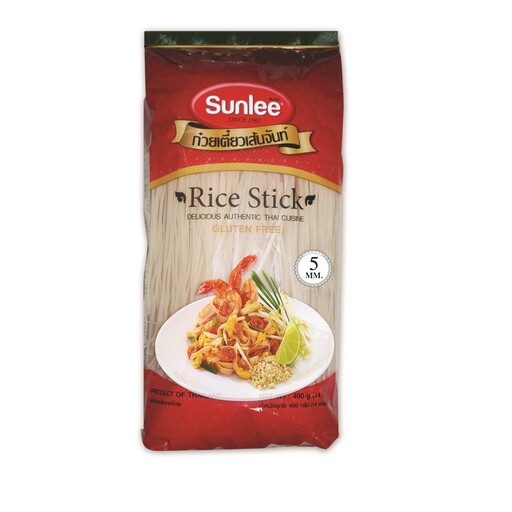
Why This Fits Their Persona: The medium 5mm width and curved shape are ideal for home cooks trying their hand at classics like Pad Thai or other stir-fry dishes. The noodles absorb sauce exceptionally well, ensuring a flavour-packed result.
These noodles solve the "one-size-fits-all" trap, as their shape is specifically designed for sauce-heavy stir-fries, preventing a watery, bland outcome.
Retains its shape and is highly absorbent due to the curved form; versatile for woks, soups, and salads.
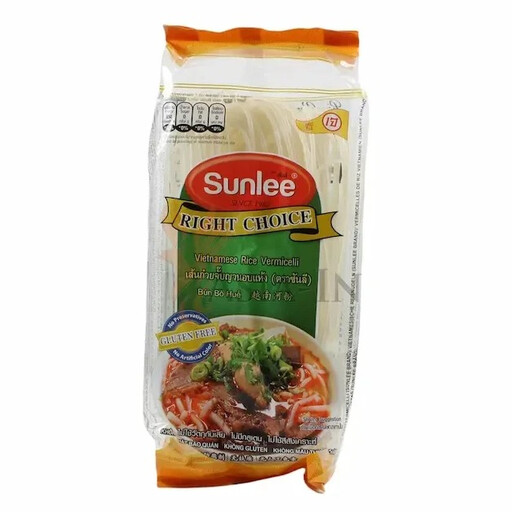
Why This Fits Their Persona: For lovers of authentic Vietnamese cuisine who want to make the spicy beef noodle soup Bún bò Hu?. These thick noodles are the traditional choice for this dish.
These noodles solve the problem of a mushy texture. Their thick, robust structure ensures they remain firm to the bite and don't disintegrate, even in a hot, hearty broth.
Thick, firm texture specifically developed for hearty soups; authentic ingredient for traditional `Vietnamese rice noodles`.
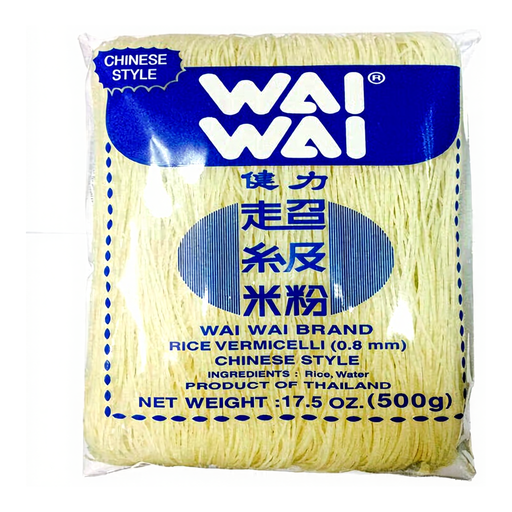
Why This Fits Their Persona: Perfect for anyone who prefers quick and light meals. This thin `rice vermicelli` from `Wai Wai noodles` only needs a short soaking time and is excellent for cold noodle salads or as a filling for summer rolls.
These noodles bypass the complicated preparation trap. Instead of boiling them and risking them sticking together, they are simply soaked in hot water, making preparation effortless.
Very quick to prepare by soaking; fine, delicate texture that is ideal for salads and fresh rolls.
We've compiled a complete, up-to-date list of products that fully meet these strict selection criteria.
The most important step is rinsing. After cooking or soaking, drain the noodles in a colander and immediately rinse them thoroughly with cold water. This removes excess starch, the main cause of sticking. A teaspoon of neutral oil (e.g., sesame or canola oil) mixed into the drained noodles will also help keep them separate.
No. While rice noodles and glass noodles (made from mung bean starch) are generally gluten-free, many other Asian noodles like ramen, udon, or most soba noodles contain wheat flour. If you have a gluten intolerance, it is essential to always check the ingredient list on the packaging.
For an authentic Pho soup, you traditionally use flat rice sticks, which are called "Bánh Ph?" in Vietnamese. The width can vary, but a medium width of 3 to 5 mm is a common choice. The crucial feature is the flat shape, which distinguishes them from the round rice vermicelli.