
Lieferung heute & morgen

Qualitätsgarantie

Willkommens-Angebote freischalten: KOSTENLOSE Lieferung | Bis zu 80 % RABATT | Kostenlose 30-Tage-JoyPlus-Testphase
App herunterladen
The selection of rice noodles on the supermarket shelf can be overwhelming. From paper-thin strands to wide ribbons, there are countless varieties, each intended for different Asian noodle dishes. The wrong noodle can compromise a dish's texture and detract from an authentic flavour experience.
This article serves as a practical guide. It explains the key differences between noodle types and helps you find the perfect variety for your next culinary project—be it a flavourful soup, a quick stir-fry, or a refreshing noodle salad. Furthermore, most rice noodles are naturally gluten-free noodles and vegan noodles, making them a versatile ingredient for various dietary needs.
The choice of the right rice noodle depends primarily on the dish you want to prepare. Three features are crucial: width, shape, and ingredients.
Width is perhaps the most important criterion. It determines how well the noodle absorbs sauces and what texture it will have in the finished dish.
Besides width, shape also plays a role. Flat ribbon noodles (sticks) are the standard for stir-fried dishes, while round noodles (vermicelli) are often found in soups and salads. A special example is the thick, round noodles required for the Vietnamese soup Bún bò Hu?. Their firm, chewy consistency is crucial for the dish's authenticity.
Authentic rice noodles typically consist of just two ingredients: rice flour and water. This makes them a natural, gluten-free, and vegan option. Nevertheless, it is advisable to check the ingredient list before purchasing, especially if you have allergies or strict dietary requirements, to ensure no unwanted additives are included.
Based on the criteria above, we have curated a selection of rice noodles suitable for various authentic dishes.
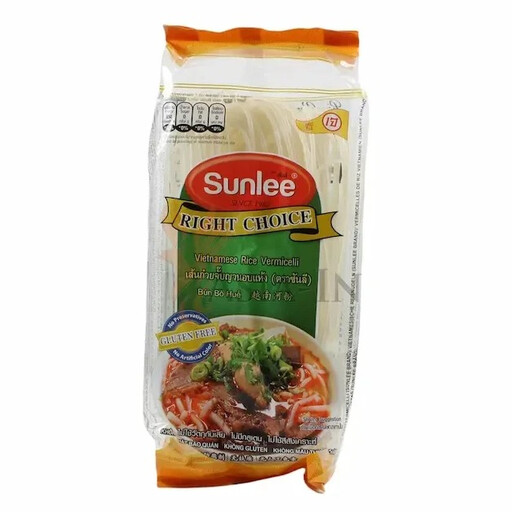
What makes them special: These thick rice vermicelli are specifically designed for preparing the traditional Vietnamese noodle soup Bún bò Hu?. Their robust, round shape and chewy texture are characteristic of this dish, ensuring the noodles hold their form even in the rich, flavourful broth.
Product Details:
Who they're for: For enthusiasts of Vietnamese cuisine who want to prepare an authentic and flavour-packed Bún bò Hu? at home and who value the perfect noodle texture.
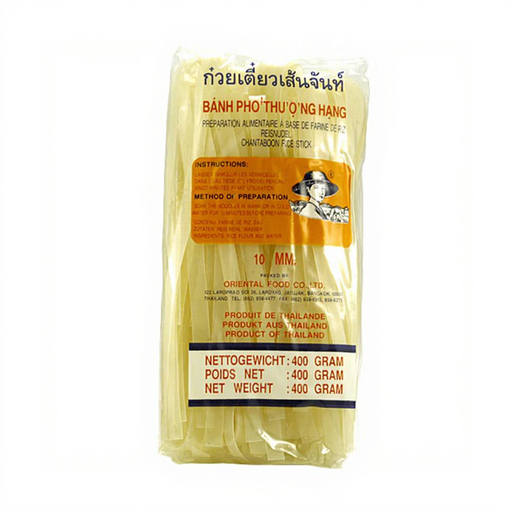
What makes them special: With a width of 10 mm, these noodles fall into the extra wide rice noodles category. Their large surface area excellently absorbs sauces and flavours in stir-fries or hot pots. The smooth yet firm texture makes them a filling base for numerous dishes.
Product Details:
Who they're for: For cooks looking for a substantial noodle for hearty dishes. They are an excellent choice for recipes where the noodle takes centre stage, such as Pad See Ew or rich curries.
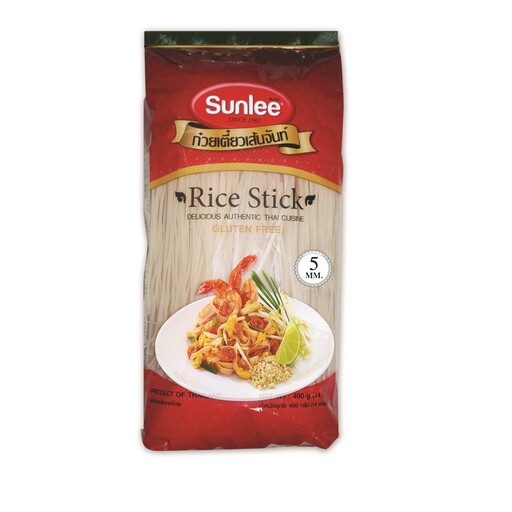
What makes them special: These rice sticks with a 5 mm width are the classic choice for Pad Thai. Their slightly curved shape ensures that the sauce clings especially well to the noodles. They cook quickly to a soft yet pleasantly firm texture.
Product Details:
Who they're for: For anyone looking for a versatile rice stick for classic Asian stir-fried dishes. They are the ideal base for an authentic Pad Thai and work just as well in other stir-fry creations.
Haven't found the right noodle for your project yet, or want to explore more varieties for your pantry? Discover our entire range of versatile and gluten-free rice noodles.
The cooking method depends on the noodle type and its intended use. For stir-fries, rice noodles are often just soaked in hot (not boiling) water until pliable (approx. 20–30 minutes). For soups, they are usually cooked directly in the broth or separately in boiling water for a few minutes. Always follow the package instructions, as the exact times vary depending on the noodle's thickness.
Rice noodles traditionally made from only rice flour and water are naturally gluten-free. They are an excellent alternative to wheat noodles for people with gluten intolerance. However, it is recommended to check the ingredient list on the packaging to rule out potential cross-contamination during production or unexpected additives.
The term "rice noodles" is an umbrella term for all noodle types made from rice flour. Rice vermicelli is a specific type of rice noodle. They are characterized by their very thin, thread-like shape and are often used for salads and in soups. Other rice noodles, like rice sticks, are flat and wide.