
Lieferung heute & morgen

Qualitätsgarantie

Willkommens-Angebote freischalten: KOSTENLOSE Lieferung | Bis zu 80 % RABATT | Kostenlose 30-Tage-JoyPlus-Testphase
App herunterladen
The world of Asian noodles is vast and varied, and choosing the right type can be a challenge. Especially with rice noodles, there are significant differences in width, shape, and texture that fundamentally define the character of a dish. If you want to prepare an authentic pho soup or a spicy Bun Bo Hue, you're often faced with the question: which noodle is the right one?
This guide is here to help. It explains the key characteristics of different rice noodle varieties and presents a selection of products suited for specific dishes. Our goal is to give you the information you need to make an informed decision when it's time to buy rice noodles.
To find the perfect noodle for your culinary project, three criteria are particularly important: width, ingredients, and intended use.
Noodle width isn't arbitrary—it's crucial for the texture and how well the noodle absorbs sauce or broth.
Authentic Asian noodles made from rice often feature a very short ingredients list. Typically, they consist of just rice flour and water. Sometimes, salt or tapioca starch is added to improve the texture. For individuals with celiac disease or gluten sensitivity, they are an excellent choice as they are naturally gluten-free noodles. However, it's still wise to check the product packaging for potential traces of allergens if the production facility also processes other grains.
Consider which dish you want to prepare. Are you looking for rice noodles for pho? Then flat noodles labelled Banh Pho are the right choice. Planning to make the robust soup from Central Vietnam? You'll need special, thick Bun Bo Hue noodles. For a quick wok dish, wider flat noodles are best.
Here is a selection of rice noodles that are well-suited for various dishes in Asian cuisine due to their specific characteristics.
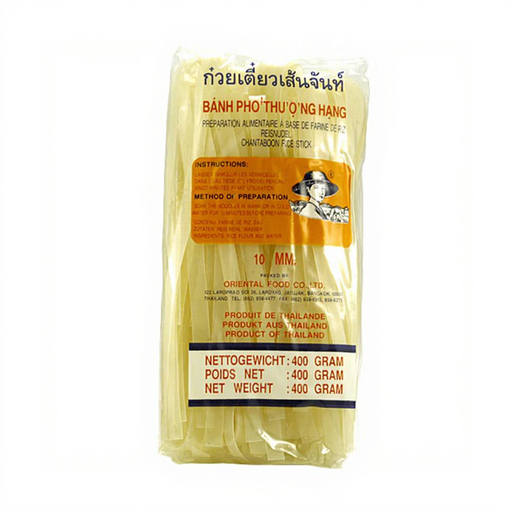
Why They Stand Out: With a width of 10 mm, these are among the extra-wide varieties. Their robust yet supple texture makes them the ideal base for stir-fried noodle dishes and rich stews where the noodle plays a starring role.
Advantages:
Who They're For: For home cooks who want to prepare dishes like Pad See Ew, Drunken Noodles (Pad Kee Mao), or hearty hot pots that call for a wide, sturdy noodle.
See the Farmer Brand 10mm Rice Noodles
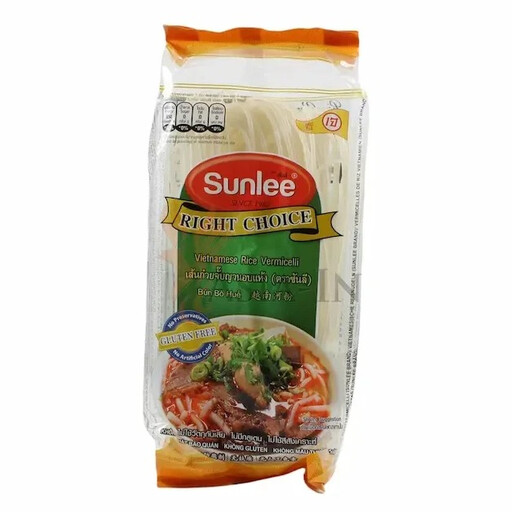
Why They Stand Out: These thick rice vermicelli are specifically designed for preparing the Vietnamese specialty Bún bò Hu?. Their round, thick shape and firm consistency are characteristic of this dish.
Advantages:
Who They're For: For lovers of Vietnamese cuisine who want to recreate the spicy and complex noodle soup dish Bún bò Hu? as authentically as possible.
See the Sunlee Thick Rice Vermicelli
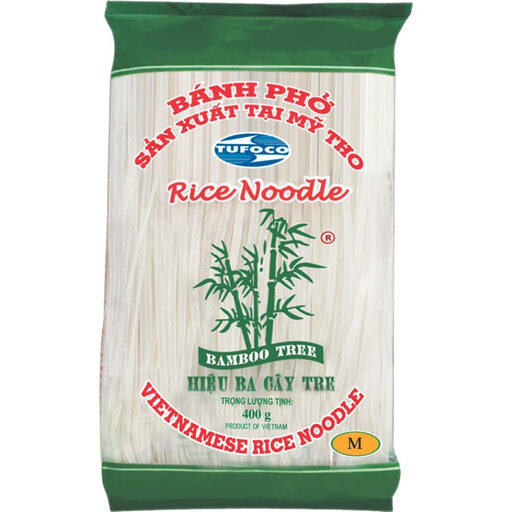
Why They Stand Out: With their 3 mm wide, flat shape, these are the classic Banh Pho noodles. They are the foundation for the world-famous Vietnamese pho soup and impress with their quick preparation and versatility.
Advantages:
Who They're For: For anyone who wants to prepare a classic pho soup. Due to their medium width, they are also a great choice for newcomers to Asian cuisine.
See the Bamboo Tree 3mm Rice Noodles
The products featured cover some of the most popular uses. However, if you are looking for other specialties or want to browse a larger selection for dishes with beef, you can find more options in our more comprehensive category.
Discover our entire selection of Beef Rice Noodles
Traditionally made rice noodles consist only of rice flour and water, making them naturally gluten-free noodles. Nevertheless, for people with a severe gluten intolerance (celiac disease), it is important to check the product information on the packaging. In rare cases, production facilities may also process wheat-containing products, which can lead to traces of gluten.
The preparation method depends on the thickness of the noodles.
Both are Vietnamese rice noodles, but they differ in shape. Banh Pho are flat flat rice noodles of various widths, used mainly for pho soup. Bun, on the other hand, are round noodles that resemble spaghetti or vermicelli. They come in different thicknesses, from paper-thin (for summer rolls) to very thick (for Bun Bo Hue).