
Lieferung heute & morgen

Qualitätsgarantie

Willkommens-Angebote freischalten: KOSTENLOSE Lieferung | Bis zu 80 % RABATT | Kostenlose 30-Tage-JoyPlus-Testphase
App herunterladen
Rice noodles are a staple in many kitchens, but the name alone tells you little about how to use them. Fine vermicelli behaves differently from wide Bánh phở noodles, while Bún Tươi usually has a softer, slightly springy texture. So if you’re looking to buy rice noodles, don’t base your choice solely on where they’re from or how the packaging looks.
Three common buying mistakes are particularly likely to lead to the wrong choice:
If you’re looking for gluten-free rice noodles, read the ingredients list carefully. Products made with rice, water and salt may have a short ingredients list. Flavoured varieties, however, often contain soya sauce, wheat ingredients or other allergens.
One example is Zhazhahui Xinjiang Fried Rice Noodles: according to the product information, the noodles are made from rice, starch and water. However, the accompanying sauce sachet contains wheat and soya. BAEKJE Rice Noodle Anchovy Flavor lists wheat, soya, fish and milk among its allergens. Always treat the product packaging as the definitive source of information.
The terms Chinese rice noodles, Vietnamese rice noodles and Asian rice noodles can give you an idea of the style and culinary tradition. But for the best results, what matters most is the ingredients, width, cooking time and the sauce you plan to use.
Dried noodles can usually be stored at room temperature, making them a good store-cupboard staple. Cooking times vary considerably, though: some products take around three to five minutes, while others need to be soaked before cooking. Depending on the starch and diameter, Bún Tươi products may take around five to eight minutes.
Packs of 400 to 500 g are a flexible choice for one- or two-person households. Multipacks such as 30 × 400 g are better suited to households that use noodles regularly or like to stock up. Instant options such as 92 g cups are portioned, but often contain more seasonings and salt than plain noodles. Check the nutrition information per portion to avoid making misleading comparisons.
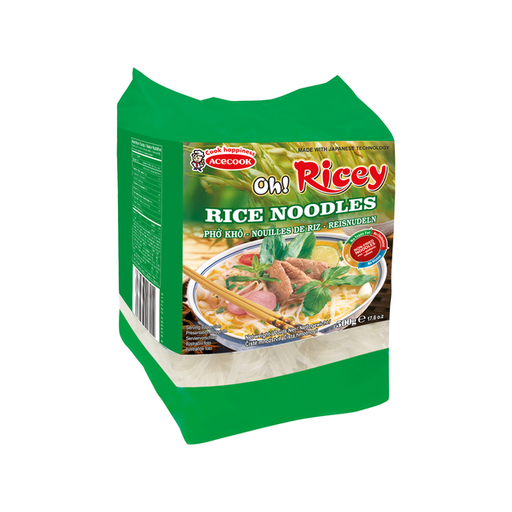
Why it suits this profile: The 500 g pack is a versatile base for Pho, wok dishes and cold noodle salads. You can adapt the preparation to suit a range of recipes.
The product information lists rice as the main ingredient and also identifies soya as an allergen. This makes it easier to check whether it’s right for you before buying.
500 g pack; 91.4% rice flour according to the product information; suitable for soups, wok dishes and salads.
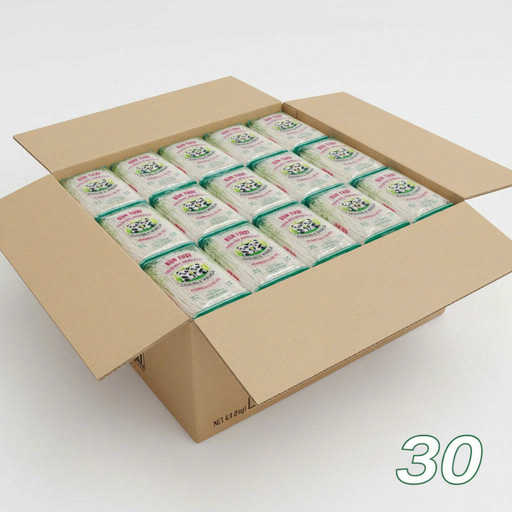
Why it suits this profile: These Vietnamese rice noodles are designed for regular use in soups, salads, summer rolls and wok dishes.
The ingredients list is short, naming rice, water and salt. No allergens that require declaration are listed either.
30 packs of 400 g; from Vietnam; around eight minutes’ cooking time after soaking, according to the product information.
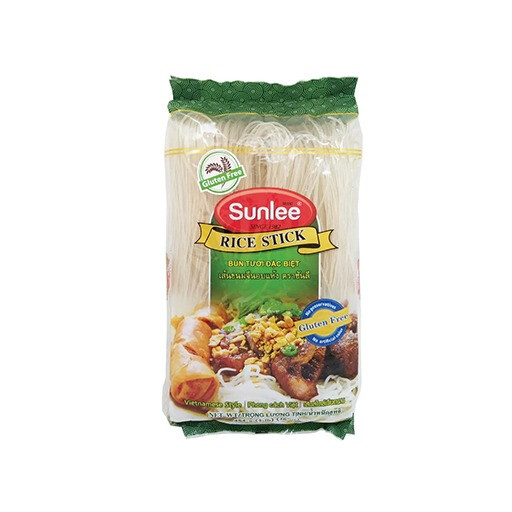
Why it suits this profile: This option is for households that make Vietnamese Bún dishes and want a product described as gluten-free.
The product description lists rice and water as ingredients and labels the product ‘gluten-free’. Check the current packaging information before eating.
454 g pack; intended for Bún Chả and Bún Thịt Nướng; simple ingredients listed in the description.
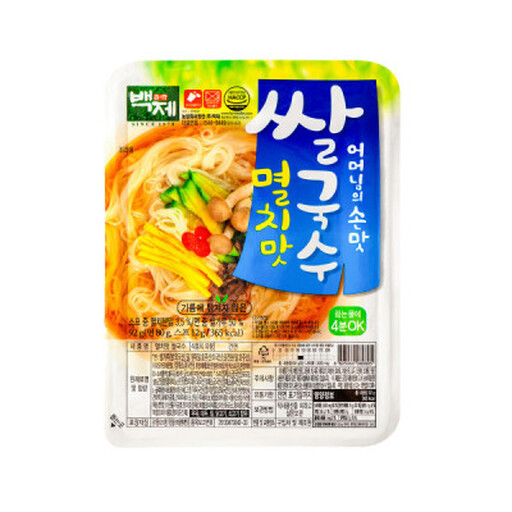
Why it suits this profile: The 92 g cup is ready to serve after a four-minute standing time, according to the instructions.
The portion size, preparation time and seasoning base are clearly stated. The ingredients list also flags wheat, soya, fish and milk.
Individual 92 g cup; four-minute standing time; mildly flavoured with anchovy, according to the description.
No. Plain rice noodles may be gluten-free, but seasoned instant rice noodles often contain wheat in the soya sauce, seasoning paste or soup powder. Always check the allergen information on the packaging.
Flat rice noodles around 3 mm wide, such as Bánh phở varieties, are a good choice for Pho. Very fine vermicelli can also be used, but the texture will be different.
Unopened dried noodles should generally be stored in a cool, dry place away from direct sunlight. Always follow the best-before date and storage instructions on the individual pack. After opening, seal the pack tightly to keep moisture out.