If protein is your priority when stocking up, lentil and other pulse-based cakes are a useful place to start comparing. EDEKA lists 25 g of protein per 100 g for its Bio High Protein Lentil Cakes, compared with 8.7 g per 100 g for its Bio Plain Rice Cakes. Check the specific pack for serving size, ingredients, salt and precautionary allergen information, and plan to store your cakes in a dry, tightly sealed container.
Who should pay attention to their choice?
Protein-conscious shoppers stocking up
If you want to keep wafer snacks on hand for training days or everyday eating, don’t assume rice and pulse-based products are alike just because they have a similar shape. The EDEKA and Verival cakes we checked differ considerably in their stated protein content per 100 g.
Shoppers who check the ingredients
If you prefer a short ingredients list, compare EDEKA Bio Plain Rice Cakes with the lentil and pulse-based cakes we checked. According to EDEKA, the plain rice cakes contain rice; the other recipes use lentils or a blend of pulses.
Shoppers buying snacks in bulk
If you’re buying several packs, storage space, sealing and choosing products with different ingredient bases all matter. The Verbraucherzentrale recommends storing dry foods in a dry place in tightly sealed containers. For rice products, it’s also worth noting the German Federal Institute for Risk Assessment’s advice about possible levels of inorganic arsenic.
What should you look for when stocking up?
Start by comparing protein per 100 g and the main ingredients. Then check the pack size, storage requirements and information on the specific packaging to work out how much makes sense for your stash.
| What to consider |
What to check before buying |
Who it matters to |
| Protein content |
Compare protein per 100 g and pack size rather than assuming the shape of a cake tells you how much protein it contains. |
If protein is the main reason I’m adding a snack to my stash, I need comparable nutrition information. Around 45% of consumers put protein content first. |
| Storage |
Check the best-before date, the condition of the pack and whether you can store the cakes somewhere dry in a tightly sealed container. |
If I want my snack stash to last, I want to stop opened cakes going soft from moisture. Around 27% of consumers prioritise how well products can be stored at home. |
| Ingredients and allergen information |
Read the ingredients, salt per 100 g, and allergy and precautionary allergen information on the specific pack. |
If the recipe needs to meet my requirements, even small differences between plain and seasoned cakes can matter. Around 18% of consumers prioritise ingredients and labelling. |
| Variety in your stash |
Check which products are rice-based and which use a different main ingredient. |
If I reach for my stash often, I don’t want to rely exclusively on rice-based cakes. Around 10% of consumers prioritise variety. |
Which mistakes can you avoid?
-
Assuming plain rice cakes and lentil cakes are the same
For the EDEKA products we checked, Bio Plain Rice Cakes contain 8.7 g of protein per 100 g, compared with 25 g per 100 g for Bio High Protein Lentil Cakes. A similar snack shape doesn’t tell you much about the protein content.
Compare the nutrition information per 100 g and check whether the main ingredients are rice or pulses.
-
Buying extra packs without having somewhere suitable to store them
Moisture can affect the quality of dry cakes. For the Verival Bio Protein Wafers we checked, REWE specifically advises protecting them from heat and moisture and keeping them well sealed.
Choose an amount that suits how much you eat and the dry storage space you have available. Seal opened packs carefully.
-
Filling your stash with rice cakes alone
The German Federal Institute for Risk Assessment notes that rice products, including rice cakes, can contain relatively high levels of inorganic arsenic. This advice applies to rice-based products and doesn’t tell you anything about the levels in other types of cakes.
When putting together your stash, consider snacks made with different ingredients too, if they suit your needs.
-
Assuming dietary labels mean a product is allergen-free
For its Bio Plain Rice Cakes, EDEKA lists the possibility of sesame traces. Kallo’s Lightly Salted Wholegrain Rice Cakes may contain traces of milk, sesame and soya.
If you have allergies, always check the ingredients and precautionary allergen information on the specific pack. A general product description is no substitute for checking the label.
Brands and product ranges to consider
EDEKA Bio
The Bio High Protein Lentil Cakes and Bio Plain Rice Cakes we checked show how two products in this range can use different main ingredients.
- EDEKA lists 25 g of protein per 100 g for the Lentil Cakes, with red lentils making up 99.5% of the ingredients.
- According to EDEKA, the Bio Plain Rice Cakes contain 8.7 g of protein per 100 g. Check the information on the individual packs of both products.
REWE / Verival
REWE sells the Verival Bio Protein Wafers we checked as corn cakes made with pulses and pea protein.
- REWE lists 18.4 g of protein per 100 g for this product; the pack contains 120 g.
- Before stocking up, check whether it’s available at your preferred place to shop and follow the storage instructions on the pack.
reis-fit
Risbellis High Protein Lentil Crackers Tomato & Paprika are seasoned crackers sold in a bag, rather than large-format cakes.
- reis-fit lists 10 g of protein per bag for this flavour.
- For your stash, compare the nutrition information per 100 g, ingredients and pack size on the bag itself. The amount per bag alone isn’t a per-100 g comparison.
Kallo
The Lightly Salted Wholegrain Rice Cakes we checked are an example of classic rice cakes to compare with pulse-based cakes.
- Kallo lists 8.5 g of protein per 100 g for this rice product.
- Kallo lists possible traces of milk, sesame and soya. If you’re buying this product, check the labelling on the pack too.
Products to try at Joybuy
If you’d like to stock up on lentil cakes rather than classic rice cakes, this product could be an alternative with a different ingredient base. Check the information on the specific pack to see whether the nutrition, labelling and pack size suit your needs.
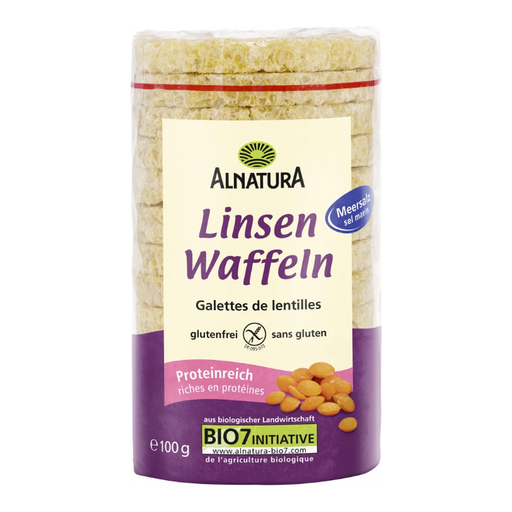 Image unavailable
Alnatura Organic Lentil Cakes, 100 g
Lentil cakes for shoppers who want to stock up on something with a different ingredient base alongside classic rice cakes. The product name states that the pack contains 100 g; if you have a soya allergy, check the labelling on the specific pack before buying.
View at Joybuy
Frequently asked questions
Are classic rice cakes automatically high in protein?
No. The shape of a product alone doesn’t tell you whether it’s high in protein. EDEKA lists 8.7 g of protein per 100 g for its Bio Plain Rice Cakes, compared with 25 g per 100 g for its Bio High Protein Lentil Cakes. Compare the nutrition information for the specific products.
How should I store cakes if I’m buying them in bulk?
Keep dry cakes away from moisture and, once opened, store them in a tightly sealed container. The Verbraucherzentrale recommends storing dry foods in a dry place in tightly sealed containers. Also follow the instructions on the individual pack.
Should my snack stash contain only rice cakes?
If you reach for your stash regularly, it makes sense to check the ingredients in other snacks too. The German Federal Institute for Risk Assessment notes that rice and rice products such as rice cakes can contain relatively high levels of inorganic arsenic. This doesn’t tell you how much of a particular pack an individual should eat.
Are protein cakes automatically a good post-workout snack?
No. Protein content alone doesn’t tell you whether a product will aid recovery, and it isn’t personal dietary advice. If you want to stock up on cakes for training days, compare protein per serving, ingredients and pack labelling in the context of your overall diet.


