
Lieferung heute & morgen

Qualitätsgarantie

Willkommens-Angebote freischalten: KOSTENLOSE Lieferung | Bis zu 80 % RABATT | Kostenlose 30-Tage-JoyPlus-Testphase
App herunterladen
Homemade summer rolls look simple enough: briefly soak the rice paper, add the filling and roll it up. In practice, though, the wrappers often tear or stick, or the rolls burst open when fried. The problem isn’t always the rolling technique. Often, the size, ingredients and intended use simply don’t match.
If you’re looking to buy rice paper for summer rolls, don’t focus only on the brand or pack size. The diameter, ingredients and whether the wrappers are intended for fresh or fried dishes all matter.
22 cm rice paper gives you considerably more surface area than smaller wrappers with a diameter of 16 cm. The larger size is usually easier to handle when making rolls with rice noodles, vegetables, herbs and prawns. Smaller wrappers, on the other hand, are better suited to compact portions, appetisers or smaller amounts of filling.
A common mistake is to judge the diameter from the pack size alone. Before buying, check whether the measurement refers to an individual wrapper and whether it’s round rice paper or square rice paper.
Rice paper isn’t cooked; it’s briefly moistened in water. If it stays in the water for too long, it can become sticky or tear when folded. Once removed, the wrapper continues to absorb a little moisture from the filling. It should therefore feel slightly firm on your work surface at first, becoming fully pliable as you add the filling.
For many products, the general rule is to dip one wrapper at a time in lukewarm water for a few seconds. The exact time depends on the thickness of the wrapper, the water temperature and the room conditions.
The term ‘rice paper’ doesn’t automatically mean it contains only rice flour and water. Tapioca starch is often added to give the wrappers a more flexible texture. Some varieties also contain wheat flour, making them unsuitable for people with a wheat allergy or coeliac disease.
Examples from the product range:
Always check the latest packaging information. This also applies to nutritional values, country of origin and best-before dates.
16 cm is a good fit for smaller snacks, individual portions and compact fillings. 22 cm is more versatile if you’re making larger Vietnamese summer rolls or fried spring rolls. With a round wrapper, you can usually place the filling in the centre. Square wrappers have straight edges and may lend themselves to a different rolling technique.
Rice and tapioca rice paper is widely available. Tapioca can help make the wrapper more flexible, but it doesn’t indicate a particular level of quality for cooking. Check for:
If the ingredients include wheat, check the packaging carefully before buying. Even products with seemingly simple ingredients can have different recipes.
Not all wrappers are used in the same way. For fresh summer rolls, the moistened wrappers are filled with vegetables, herbs, rice noodles or protein. Rice paper for frying is also briefly soaked, then filled and cooked in hot oil. Make sure the roll is sealed tightly and doesn’t contain too much liquid.
For fried rolls, it’s also important to fold them securely before placing them in the oil. DOUBLE PANDA and Bamboo Tree both list fresh and fried uses in their product information.
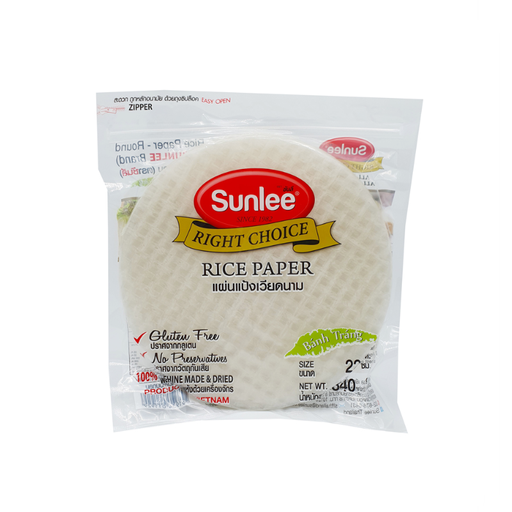
Why it suits this profile: The round 22 cm size is ideal for classic summer rolls with several ingredients, while the manageable pack size makes it a good choice for first-time attempts.
The diameter is clearly stated, so you can check in advance whether there’s enough room for your planned filling.
340 g pack, round 22 cm size and, according to the product information, rice flour with tapioca starch.
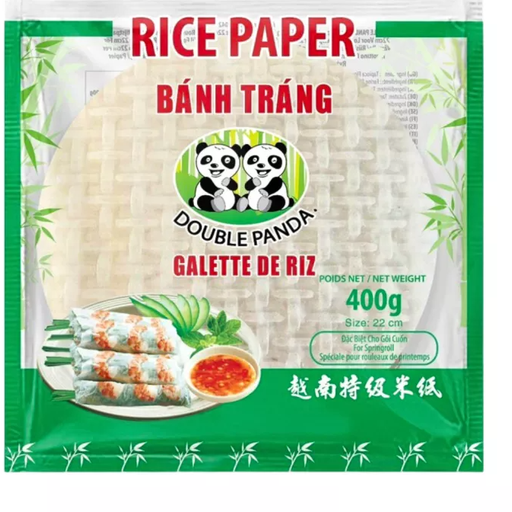
Why it suits this profile: The product description specifically lists fresh summer rolls and fried spring rolls as suitable uses.
The instructions recommend a short soak and sealing the pack tightly after opening.
400 g pack, 22 cm diameter and, according to the product information, no declared allergens.
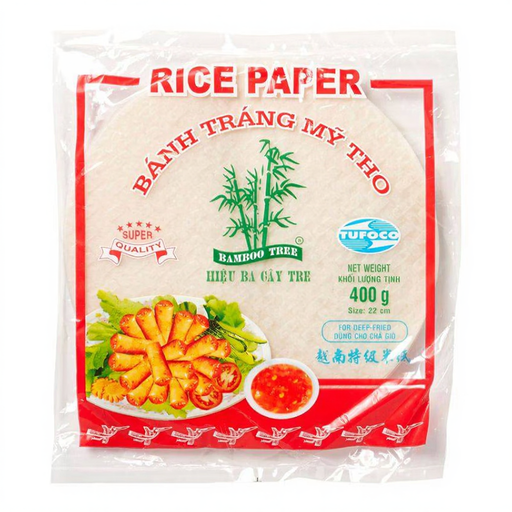
Why it suits this profile: The product name is aimed at people who want to prepare Vietnamese rolls both fresh and fried.
Wheat is listed in the ingredients, so buyers can check in advance whether it meets their dietary requirements.
Round 22 cm size, 400 g pack and stated suitability for fried rolls.
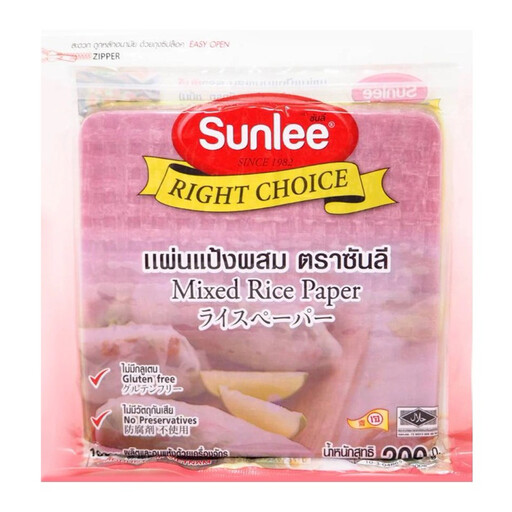
Why it suits this profile: The square 16 cm size and 200 g pack are well suited to smaller portions, tasting dishes or a varied selection.
The smaller size helps you avoid buying unnecessarily large wrappers for small fillings.
Square rice paper wrappers, 16 cm sides and a 200 g pack.
We’ve put together a complete, regularly updated list of products that meet these strict selection criteria and fully comply with the safety regulations in force in the EU.
Store dry rice paper wrappers in a sealed, dry place away from direct sunlight. After opening, keep them in an airtight container so they don’t absorb moisture or dry out. Damaged or brittle wrappers are harder to roll.
For best results, follow these steps:
A few seconds in lukewarm water is usually enough. The wrapper shouldn’t be completely soft when you take it out, as it will continue to soften on the work surface. Soaking it for too long can make it more likely to tear and leave it with a sticky surface.
Yes, many rice paper wrappers can be filled after a brief soak and then fried. Check the product information and make sure the roll is completely sealed. A wet or overfilled filling can cause it to burst while cooking.
The best-before date is based on the manufacturer’s guidance and correct storage. Once opened, keep the wrappers dry, tightly sealed and protected from moisture. Don’t use the product if the surface has changed, it smells unusual or there’s visible damage.