Batch cooks making larger quantities
If you want to make several portions of rice pudding in as few rounds as possible, the space for your dishes and the usable shelf positions are key.


If you want to put several suitable dishes in the oven at once, a sufficiently large built-in oven or a freestanding cooker with a suitable oven cavity could work. What matters is the size of your dishes and the shelf positions, not just the oven’s capacity in litres. A mini oven is better suited to smaller quantities when you don’t have a built-in space, but may mean cooking a large batch in several rounds. Whatever oven you use, cool cooked rice quickly to 7 °C or below before freezing it. The German Federal Institute for Risk Assessment identifies rapid cooling as essential.
If you want to make several portions of rice pudding in as few rounds as possible, the space for your dishes and the usable shelf positions are key.
Choose the type to suit the space you have: a mini oven could work for smaller batches, while a freestanding cooker is an option if you also need a hob.
If you mainly want to cook rice pudding in a casserole dish using conventional top and bottom heat, consider extra features only if you’d use them for other dishes too.
When choosing an oven for batch-prepping rice pudding, first check that your dish, the batch size you want to make and the space available all work together.
A good choice if: you have a suitable built-in space and need room for several dishes or shelf levels.
Consider: The dimensions of the space and the installation requirements must suit the specific model. A claim that an oven can be used on several levels doesn’t guarantee an even result with every recipe.
A good choice if: you need a hob as well as an oven and have room for a full-size cooker.
Consider: If you already have a suitable hob, the extra hob takes up space unnecessarily.
A good choice if: you don’t have space for a built-in oven and your planned batch will fit in a smaller dish.
Consider: You may need several rounds to make a larger batch for freezing. Check the internal dimensions and the clearance around the heating elements.
| Buying priority | What to check | Who should pay particular attention? |
|---|---|---|
| Batch size and space for dishes | Measure your dish, including the handles, and compare it with the oven cavity and shelf positions. If you’re using several dishes, check which heating modes are approved for this. | If I want to use several suitable dishes in one round, space and shelf positions are key. Around 36% of consumers put batch size first. |
| Available space and oven type | Compare the dimensions and connection requirements of the specific appliance with the available built-in space or floor area. | If you don’t have space for a built-in oven or also need a hob, choose according to the space available in your kitchen. Around 29% of consumers prioritise where the appliance will go. |
| Heating mode for one or several dishes | Check for conventional top and bottom heat. If using several dishes, also check the manufacturer’s guidance on cooking on multiple levels. For larger batches, judge by how well the rice is cooked, not just by the time given for a smaller recipe. | If I’m following a recipe that uses conventional top and bottom heat, or want to cook several dishes at once, the heating mode needs to be suitable. Around 21% of consumers focus mainly on the heating mode. |
| Cleaning and running costs | Compare the cleaning features and, for ovens with the relevant labelling, the energy consumption per cycle for each operating mode. | If you bake often, you’ll want to consider cleaning effort and running costs when choosing. Around 14% of consumers put care and running costs first. |
The stated oven capacity doesn’t tell you whether your casserole dish, handles and all, will fit, or whether there’ll be room to use several dishes at once.
Measure your dish and compare its dimensions with the cavity and usable shelf positions of the specific model.
The manufacturer’s claim describes an appliance feature. The rice pudding recipe referenced here uses conventional top and bottom heat for a shallow dish. It doesn’t show that larger quantities will cook evenly on several levels.
Check how your dishes will fit and how the rice is cooking before planning a larger batch.
An oven won’t cool your rice pudding down after cooking. The German Federal Institute for Risk Assessment notes that Bacillus cereus spores can survive heat treatment, so rapid cooling is important.
Plan how you’ll portion and cool the rice pudding. Don’t leave it lukewarm for a long time.
Built-in ovens are an option if you have a suitable space. Bosch lists a 71 l cavity and 3D Hotair for up to three levels on the HBA571BB4.
The HB314G0S3 is a built-in oven with a 71 l cavity and manufacturer-specified 3D Hotair for up to three levels. The HR776G1B1 also features pulseSteam technology.
The TO 2068 mini oven is an option if you don’t have space for a built-in oven and a smaller dish will do. Severin lists a 20 l capacity, with top and bottom heat and fan-assisted cooking that can be switched on separately or together.
According to the manufacturer, the FSM67320DXT freestanding cooker has a 72-l oven cavity and a ceramic hob.
Here you’ll find Joybuy products in the built-in oven and freestanding cooker categories, suitable for larger batches of rice pudding. Before choosing, check that the dimensions, heating mode and available space suit your needs.
 No image available
An option for larger batches if you have a suitable built-in space.
71 l cavity; 3D Hotair for up to three levels and conventional top and bottom heat. Bosch also lists pyrolytic and hydrolytic cleaning. This doesn’t guarantee even cooking on several levels for every recipe.
 No image available
This built-in oven could suit a larger batch if it fits the available space.
Features listed include a 70 l cavity and fan-assisted cooking on several levels. The product details also list ten functions. Check the dimensions required for the built-in space and installation before buying.
 No image available
The stated cavity size may be useful when planning a larger batch; the dimensions for installation need to suit your kitchen.
Features listed include a 78 l cavity and nine cooking functions. The product details also list hydrolytic cleaning and a digital timer.
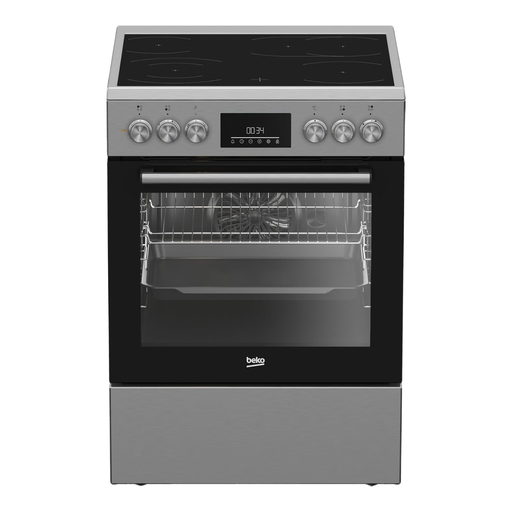 No image available
An option if you need a hob as well as a larger oven and have space for a full-size cooker.
Features listed include a 72 l cavity, eight heating functions and fan-assisted cooking with a ring heating element. The appliance has a ceramic hob with four zones and SteamShine steam cleaning. The product details specify a 240-V connection.
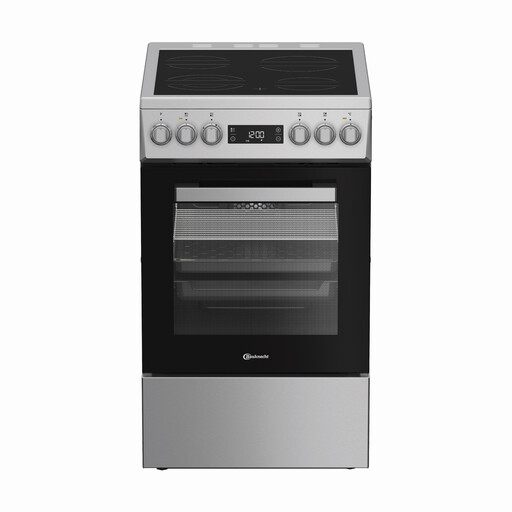 No image available
This cooker combines an oven and hob, making it an option if you need both.
Features listed include a 60 l cavity, fan-assisted cooking, eight functions and four cooking zones. The external dimensions are 850 × 500 × 600 mm; check that these suit the available space and planned installation.
Not for the recipe referenced here: it uses a shallow casserole dish and conventional top and bottom heat. Steam is an extra feature that varies by model; you can decide whether it’s useful based on the other dishes you cook.
The recipe uses 250 g of rice and 1 l of milk in a shallow dish, cooked at 180 °C using conventional top and bottom heat for about an hour. The same cooking time hasn’t been established for larger or deeper dishes. Check that your dish fits and that the rice is cooked through rather than treating the cooking time as fixed.
Don’t leave a large batch lukewarm for a long time: the German Federal Institute for Risk Assessment recommends cooling heated food quickly to 7 °C or below. Divide the rice pudding into portions so it can cool quickly, and use suitable freezer containers. The German consumer advice centre recommends writing the contents and date of freezing on the container.
No. The European Commission excludes small and portable ovens from the scope of energy-labelling rules for domestic ovens. So only compare energy-efficiency ratings if the appliances in question fall within this scope.
The EU oven label shows the cavity volume and energy consumption in kWh per cycle for conventional and fan-assisted cooking. Compare figures for the same cooking mode; a label figure isn’t a measurement for your individual rice pudding recipe.