
Lieferung heute & morgen

Qualitätsgarantie

Willkommens-Angebote freischalten: KOSTENLOSE Lieferung | Bis zu 80 % RABATT | Kostenlose 30-Tage-JoyPlus-Testphase
App herunterladen
Rice snacks have become a staple on German supermarket shelves. From the classic rice cake to Asian specialities like onigiri, the selection is vast. However, not every rice-based snack is automatically a good choice. Many products hide pitfalls, ranging from excessive sugar to disappointing quality. This guide will help you separate the wheat from the chaff and find the right rice snacks for your taste and lifestyle.
Before you buy, you should be aware of common marketing promises and product flaws that often lead to a purchase you'll regret.
To avoid these pitfalls, focus on three core aspects that determine the quality of a rice snack.
The ingredients list is the foundation of any good rice snack. Pay attention to the following points:
The method used to process the rice has a direct impact on calorie content and texture:
Packaging is crucial for shelf life. Resealable bags or individually wrapped portions help to preserve freshness and crispness after opening. This is particularly relevant for larger packs of rice cakes or crackers. For on-the-go, individually wrapped onigiri or small snack bags are practical.
Instead of making a blanket recommendation, we have selected products for different user personas.
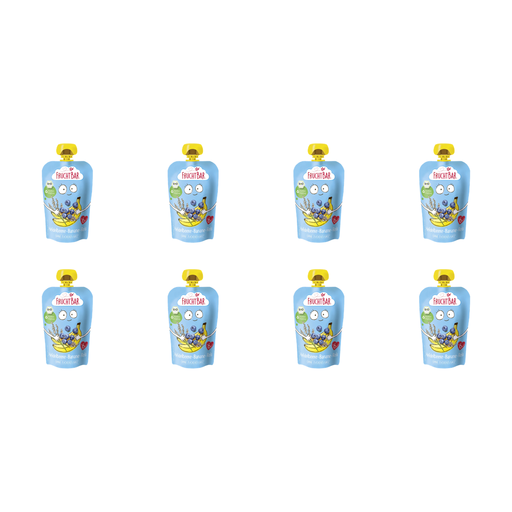
Why This Fits Their Persona: Ideal for parents looking for a quick, simple, and organic snack for their children (and themselves). The convenient squeeze pouch is perfect for on-the-go, and the recipe is tailored to the needs of toddlers from 6 months of age.
This product consistently avoids the "health trap." It contains no added sugar; the sweetness comes exclusively from the fruit. The ingredients are from controlled organic farming.
Certified organic ingredients (ES-ECO-019-CT). Practical, recyclable packaging for on-the-go. Rice serves as a filling and gentle component.
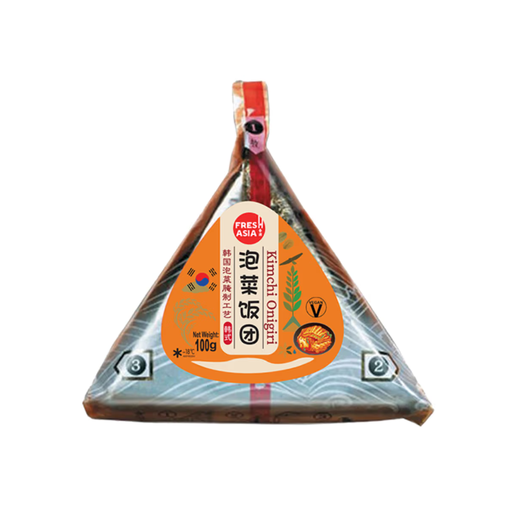
Why This Fits Their Persona: Perfect for anyone seeking a quick yet flavour-packed meal who appreciates the authentic, spicy-sour taste of Korean kimchi. Ideal for a lunch break or as a filling snack.
This onigiri escapes the lack-of-authenticity trap. It uses real kimchi (10.6%) and a specific kimchi seasoning blend to deliver its characteristic flavour, rather than relying on artificial aromas.
Quick and easy to prepare in the microwave. A combination of soft rice and a robust filling. Satisfying and suitable as a substantial snack.
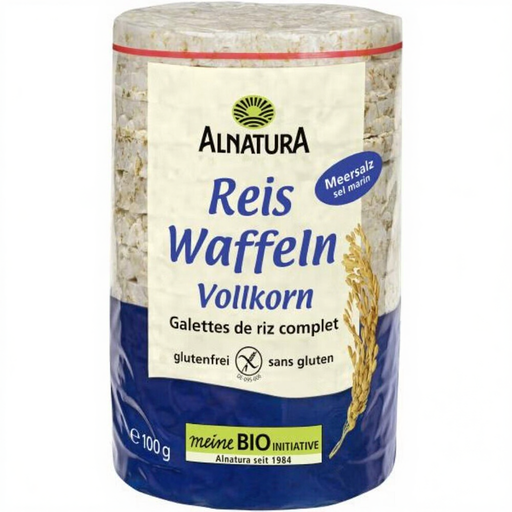
Why This Fits Their Persona: For those who want a simple, crisp, and versatile base for sweet or savoury toppings. A light alternative to bread that fits a conscious diet and offers maximum flexibility.
This product is the epitome of transparency. With just two ingredients – organic wholegrain rice (99.7%) and sea salt – there are no hidden sugars, fats, or additives. It's the pure, unadulterated rice cake.
Certified organic (BE-BIO-02), naturally gluten-free, and vegan. High in fibre thanks to wholegrain rice. Extremely low in calories and sugar.
We've compiled a complete, up-to-date list of products that fully meet these strict selection criteria.
The key to maintaining crispness is to avoid humidity. Store opened packages in an airtight container in a cool, dry place. Sealing the original packaging with a clip is a good start, but often not sufficient.
A single onigiri (approx. 100g) is best considered a large, filling snack or a light meal. For a complete main meal, it's common in Japan to combine two onigiri with miso soup or a small salad. Varieties with fillings like chicken or kimchi are more satisfying than plain rice onigiri.
Rice is naturally gluten-free. However, with processed products like rice crackers or onigiri, you must check the ingredients list. Soy sauce, certain spice blends, or thickeners can contain wheat and therefore gluten. The official crossed-grain symbol or an explicit "gluten-free" label on the packaging provides reliable guidance. This ensures that no cross-contamination has occurred during production.