
Lieferung heute & morgen

Qualitätsgarantie

Willkommens-Angebote freischalten: KOSTENLOSE Lieferung | Bis zu 80 % RABATT | Kostenlose 30-Tage-JoyPlus-Testphase
App herunterladen
Rice snacks have evolved from simple rice cakes into a diverse category, ranging from savory rice crackers and sweet treats to complete meals like onigiri. However, this wide selection often makes the decision difficult. Many products marketed as a healthy alternative can, upon closer inspection, prove to be less beneficial. This guide will help you avoid common purchasing pitfalls and find the rice snacks that truly fit your needs.
Before you choose a product, it's helpful to understand the typical marketing promises and hidden downsides that can lead to an unsatisfying choice.
To make an informed decision, you should check three core parameters. These will help you objectively evaluate product quality.
The most transparent source of information is always the label on the back. Pay attention to the order of ingredients—what's listed first is present in the largest quantity.
Not all rice is the same. The variety used and the processing method significantly determine the texture and taste.
Good packaging is crucial for preserving the desired texture. Individually wrapped crackers or bars within a larger pack are a clear sign of quality, as they protect the snack from moisture and guarantee freshness until consumption. For refrigerated products like onigiri, an intact, sealed package is critical for food safety.
Here are some recommendations tailored to different needs and taste profiles.
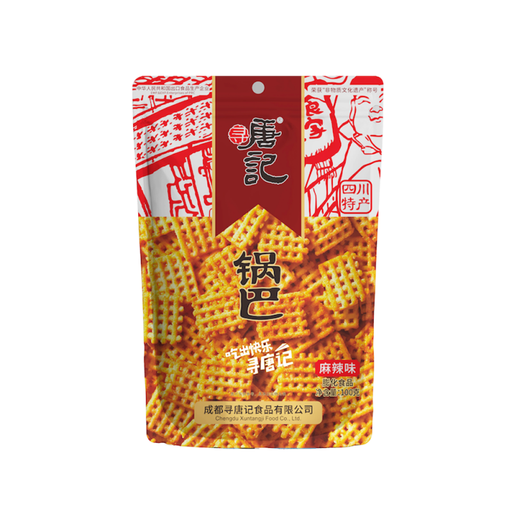
Why This Fits Their Persona: Ideal for those who crave the distinctive, numbing-spicy flavor of Szechuan cuisine. This snack delivers an authentic mala aroma that goes far beyond generic heat, offering a true taste experience.
The product avoids the misleading label trap with its clear naming of the flavor profile (Mala) and an ingredients list that explicitly includes chili powder and Szechuan pepper.
Offers a traditional, crispy texture and is purely plant-based. The bold seasoning makes it an ideal companion for drinks.
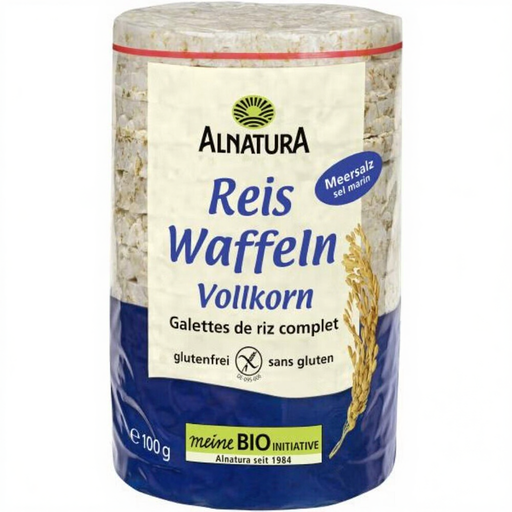
Why This Fits Their Persona: Perfect for consumers who prefer a minimalist and transparent ingredients list. These rice cakes are an ideal base for your own toppings, whether sweet or savory, and fit a conscious diet.
These rice cakes completely bypass the "health trap" as they contain no hidden sugars or fats. The ingredients list consists only of organic wholegrain rice and sea salt.
Certified organic quality (BE-BIO-02), naturally gluten-free, and vegan. The high fiber content supports a balanced diet.
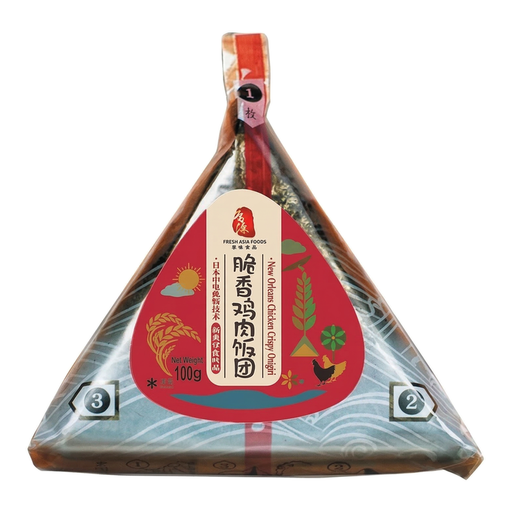
Why This Fits Their Persona: For busy people who need a quick yet satisfying and flavorful meal. This onigiri is ready-to-eat, conveniently packaged, and offers a balanced combination of carbohydrates and protein.
It avoids the empty-snack trap by being a complete small meal. The contrast between crispy chicken and soft rice provides a satisfying texture not found in simple crackers.
Extremely practical as a meal on the go. The spicy New Orleans flavor offers a welcome change of pace from classic Asian tastes.
We've compiled a complete, up-to-date list of products that fully meet these strict selection criteria and local regulations.
1. How do I store rice snacks properly to keep them crispy? Opened packages of dry rice snacks like rice cakes or crackers should always be stored in an airtight container in a cool, dry place. This prevents them from absorbing moisture from the air and becoming soft. Refrigerated products like onigiri must be kept in the refrigerator and consumed by the indicated use-by date.
2. Are all rice snacks gluten-free? No, not necessarily. While rice is naturally gluten-free, additives like soy sauce (which often contains wheat) or spice blends can contain gluten. Cross-contamination can also occur during manufacturing. Always look for the explicit "gluten-free" label on the packaging if you have celiac disease or a gluten intolerance.
3. What is the difference between rice cakes and rice crackers? The main difference lies in their production and texture. Rice cakes are typically made by puffing rice grains under heat and pressure, resulting in a light, airy, and voluminous structure. Rice crackers, on the other hand, are often made from a dough of rice flour that is then baked or fried. The result is a denser, harder, and often crispier snack.