
Lieferung heute & morgen

Qualitätsgarantie

Willkommens-Angebote freischalten: KOSTENLOSE Lieferung | Bis zu 80 % RABATT | Kostenlose 30-Tage-JoyPlus-Testphase
App herunterladen
Crafting authentic Asian dishes like Pad Thai or a steaming bowl of pho starts with selecting the right ingredients. A key component is the noodles. When searching for rice stick noodles in supermarkets or online, you're often faced with a vast selection of widths, brands, and names. Choosing the right product can be the difference between a successful dish and a soggy disappointment. This guide is designed to provide clarity. It offers objective criteria and a curated selection to help you find the perfect Asian noodles for your next culinary adventure.
Selecting the right noodles depends on a few crucial factors. Pay attention to the following characteristics to find a product that meets the needs of your recipe.
Rice stick noodles, also known as Banh Pho, are available in various widths. The width affects how well the noodle absorbs sauce and the mouthfeel it creates in the finished dish.
High-quality rice noodles are distinguished by a minimalist ingredient list. Typically, they consist of just rice flour and water, making them a natural and easily digestible source of carbohydrates.
Correct preparation is crucial for the final texture. Most packages recommend one of two methods:
Read the package instructions carefully, as the exact times can vary depending on the manufacturer and noodle width.
Here is a selection of products that stand out for their specific qualities, making them suitable for various dishes.
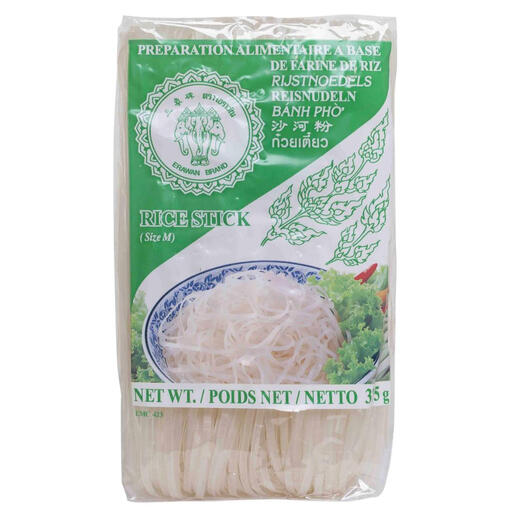
Why it stands out: These 3 mm wide noodles are a classic for Thai cuisine. Made from just two ingredients—rice flour and water—they provide an authentic base for numerous dishes.
Pros:
Who it's for: Ideal for home cooks who want to prepare an authentic Pad Thai with slightly finer noodles. Also a great choice for anyone looking for a versatile, gluten-free noodle for quick Asian meals.
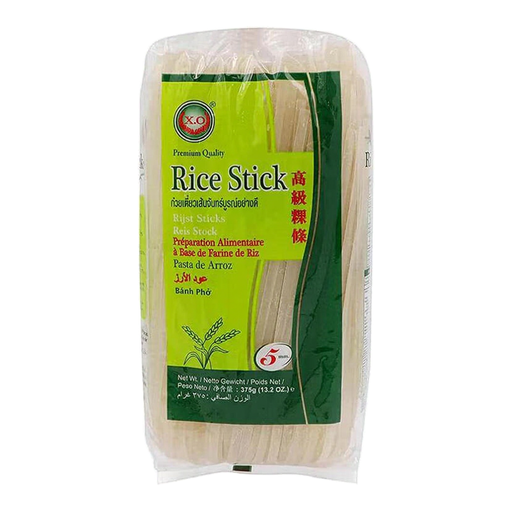
Why it stands out: With a width of 5 mm, these rice stick noodles offer the perfect balance between a firm bite and absorbency. They are known as Banh Pho and provide a solid foundation for Southeast Asian classics.
Pros:
Who it's for: Suitable for anyone looking for a standard rice stick noodle for a variety of dishes, from hearty stir-fries to aromatic soups. The 5 mm width is a reliable all-rounder.
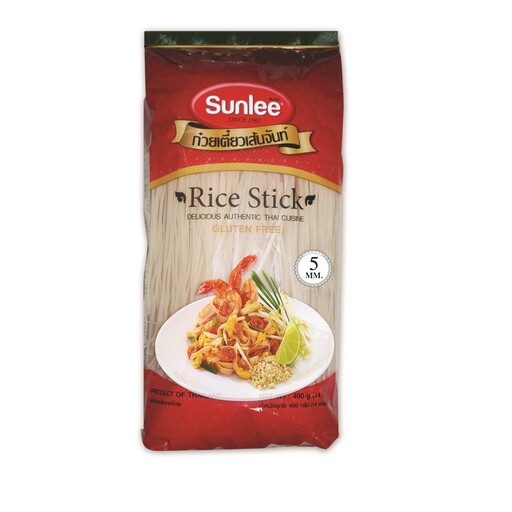
Why it stands out: These 5 mm wide rice stick noodles from Sunlee have a slightly curved shape designed to hold sauce particularly well. They are also made from just rice flour and water.
Pros:
Who it's for: Perfect for cooks who want to ensure every bite is packed with flavour. The curved shape makes them an interesting option for sauce-heavy dishes, noodle salads, and soups.
The world of Asian noodles is diverse. If you're looking for other widths, brands, or specific noodle types for different dishes, you can find more options in our broader category.
Discover our entire range of Rice Sticks here.
In most cases, yes. Traditional rice stick noodles are made exclusively from rice flour and water, making them naturally gluten-free noodles. However, it's always wise to check the ingredient list on the packaging to ensure there are no gluten-containing additives or traces of cross-contamination, especially for those with severe celiac disease.
The main difference is their shape. Rice stick noodles (or Banh Pho) are flat and wide, similar to fettuccine. In contrast, rice vermicelli (or Bún) are very thin and round, almost like angel hair pasta. Rice vermicelli are often used for summer rolls, salads, or in light soups, while rice stick noodles form the base for dishes like Pad Thai and pho.
Sticking is a common problem, but it can be avoided with a few simple steps. Immediately after cooking or soaking, rinse the noodles thoroughly under cold water. This stops the cooking process and washes away excess starch. If you're not using the noodles right away, you can toss them with a little neutral cooking oil (like sesame or canola oil) to prevent them from clumping.