
Lieferung heute & morgen

Qualitätsgarantie

Willkommens-Angebote freischalten: KOSTENLOSE Lieferung | Bis zu 80 % RABATT | Kostenlose 30-Tage-JoyPlus-Testphase
App herunterladen
As a Joybuy Product Recommendation Officer, I often see home cooks standing in front of the Asian vinegar shelf, unsure which bottle is right for their recipe. Black vinegar, red vinegar, a special sushi vinegar—the variety can be confusing. This guide is designed to bring clarity and help you identify the perfect rice vinegar for your culinary adventures, whether it's for authentic dumplings, perfect sushi, or a flavourful stir-fry.
Choosing the right vinegar depends heavily on its intended use and the desired flavour profiles. Here are some objective criteria to help you decide.
The origin often provides the first clue to the vinegar's character.
A look at the ingredients list and the production process reveals a lot about the quality and taste. An Asian seasoning vinegar can be made from various raw materials. While simple rice vinegar consists only of rice, water, and a starter culture, more complex varieties like Zhenjiang vinegar also contain wheat bran or other grains.
A longer ageing process, common for high-quality black vinegar, breaks down sharp acidity and instead develops deep, multi-layered flavours. Statements like "aged for six years" indicate a particularly balanced and rich product.
Based on these criteria, we have compiled a selection of rice vinegars that cover different applications in Asian cuisine.
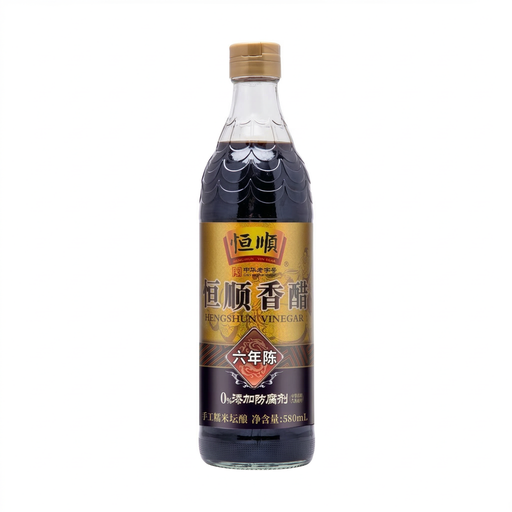
Why It Stands Out This black vinegar from the traditional brand Heng Shun is a prime example of a high-quality Zhenjiang vinegar. Its six-year ageing process using glutinous rice and wheat bran results in a complex, balanced flavour profile with a rich aroma that goes far beyond simple acidity.
Pros
Who It's For For cooks seeking the authentic, complex taste of Chinese cuisine, especially for preparing dips for dumplings (jiaozi) or for enhancing braised meats.
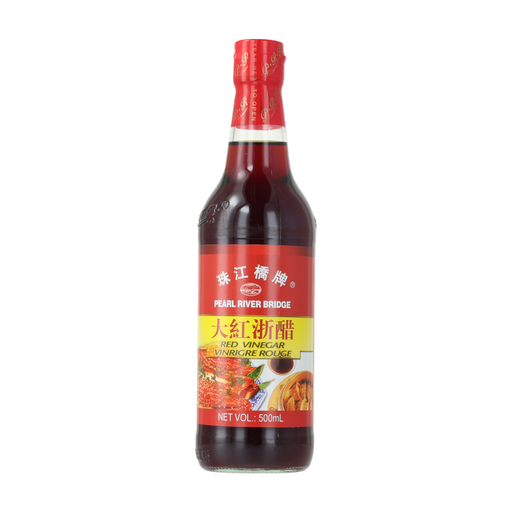
Why It Stands Out This vibrant red vinegar from Pearl River Bridge is produced using traditional methods from Guangdong cuisine. It offers a mild acidity and a gentle aroma that enhances dishes without overpowering them. Its primary function is to elevate the flavour of seafood and balance rich or greasy foods.
Pros
Who It's For For lovers of Cantonese cuisine and anyone looking for a mild dip for seafood, wontons, or noodles. It is a great alternative when black vinegar seems too intense.
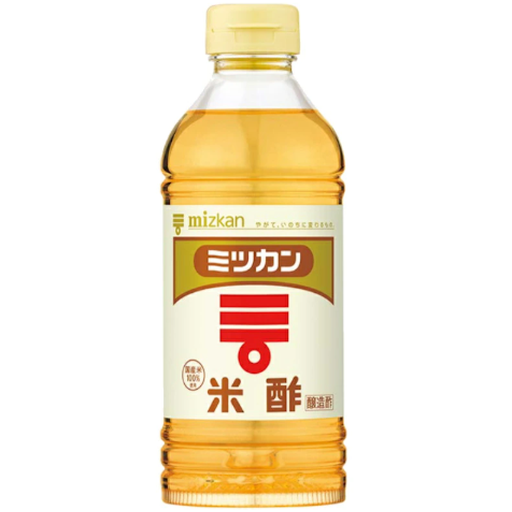
Why It Stands Out Mizkan is one of the leading brands for Japanese rice vinegar, and this product is a classic. Made from rice, it is characterised by a very balanced, mild acidity and a subtle sweetness. It is the standard ingredient for preparing authentic sushi rice.
Pros
Who It's For Essential for anyone who wants to make their own sushi. It's also a great choice for beginner cooks looking for a mild and versatile Asian seasoning vinegar for their pantry.
The world of vinegar is vast and varied. If you are looking for a different variety or just want to browse, you can find more options in our category. Discover our entire range of Asian and international vinegars.
Which vinegar is best for sushi rice? For sushi rice, a mild, light Japanese rice vinegar is traditionally used. Products like the rice vinegar from Mizkan are designed for this purpose. It is typically heated with sugar and salt and then mixed into the cooked rice to give it its characteristic shine and flavour.
What is the difference between black and light rice vinegar? The main difference lies in the raw materials, production, and taste. Light rice vinegar (like the Japanese type) is made from polished rice and is mild and acidic. Chinese black vinegar is made from glutinous rice, sorghum, or wheat and is aged for months or years. This gives it its dark colour and a complex, malty, and less sharply acidic aroma.
What is Chinese black vinegar used for?Black vinegar is a fundamental component of Chinese cuisine. Its most common use is as a dipping sauce for dumplings (jiaozi) and baozi, often mixed with a little soy sauce and ginger. It is also used to season braised dishes, soups, cold appetisers (e.g., cucumber salad), and sauces to give them an aromatic depth.