
Lieferung heute & morgen

Qualitätsgarantie

Willkommens-Angebote freischalten: KOSTENLOSE Lieferung | Bis zu 80 % RABATT | Kostenlose 30-Tage-JoyPlus-Testphase
App herunterladen
Rice vinegar is one of the most versatile seasonings in Asian cooking. It adds flavour to sushi rice, salads, dressings, marinades, dips and stir-fries. However, products can vary considerably: their origin, rice variety, acidity, ingredients and bottle size all affect their flavour and how you can use them.
If you choose based only on terms such as “traditional”, “mild” or “naturally fermented”, you could end up with a vinegar that isn’t right for the intended use. Three common pitfalls are particularly worth bearing in mind:
Acidity is often shown in grams per 100 ml or as a degree value. For example, the products in this selection range from 3,5° to 5,5 % acidity or 4,6 g/100 ml.
Mild rice vinegar is suitable for:
A stronger black rice vinegar is better suited to savoury Chinese dishes, stir-fries and robust dips. However, always check the specific acidity stated on the label rather than relying on the word “mild”.
It’s worth checking the ingredients list when choosing a rice vinegar. A naturally fermented rice vinegar may be made from rice, water, salt and other ingredients needed for its production. Other products may also contain sugar, glucose syrup, acidity regulators or flavourings.
The description “100% rice vinegar” doesn’t automatically mean that the product contains only rice and water. So check:
For products containing wheat, this information is important if you have a relevant intolerance. The information on the packaging you receive is always definitive.
Japanese rice vinegar is often associated with sushi, pickled vegetables and light dressings. Chinese rice vinegar is often more aromatic and is used in cold dishes, marinades, stir-fries and dips. Korean rice vinegar is also versatile and goes well with salads, sushi rice and meat marinades.
The type of rice also makes a difference:
The products below vary in size, ingredients, rice variety and stated acidity. Their suitability is based on the product information and typical uses in the kitchen.
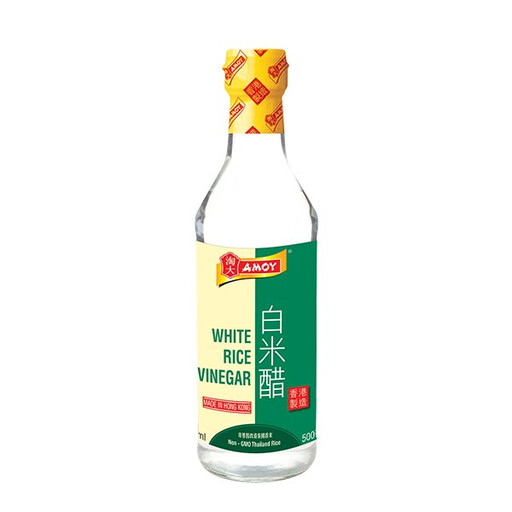
Why this product suits this profile: The 500 ml bottle is a practical introduction to Chinese dishes, marinades and pickling, without having to commit to a larger bottle straight away.
Rice vinegar is listed as the sole ingredient, and none of the 14 major EU allergens are declared.
100% rice vinegar according to the product information; intended for seasoning, pickling and Chinese recipes.
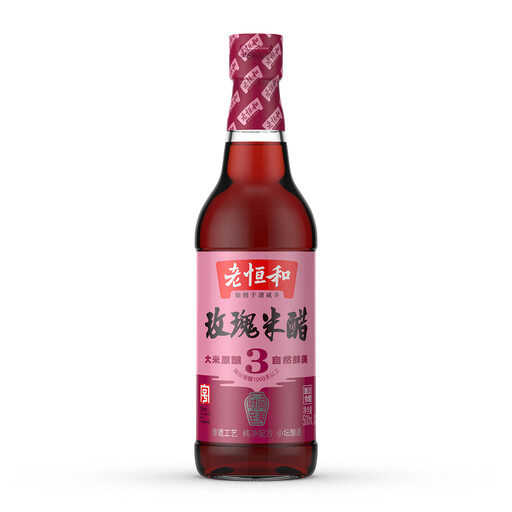
Why this product suits this profile: If you’re looking for Chinese rice vinegar with a clearly stated origin and ageing period, this product is from Zhejiang and is described as aged for three years.
Total acidity is stated as 4 g per 100 ml. This makes it easier to match the vinegar to your recipe than when the acidity is unclear.
Ingredients: water, rice and salt; the country of origin, China, and the manufacturer are stated.
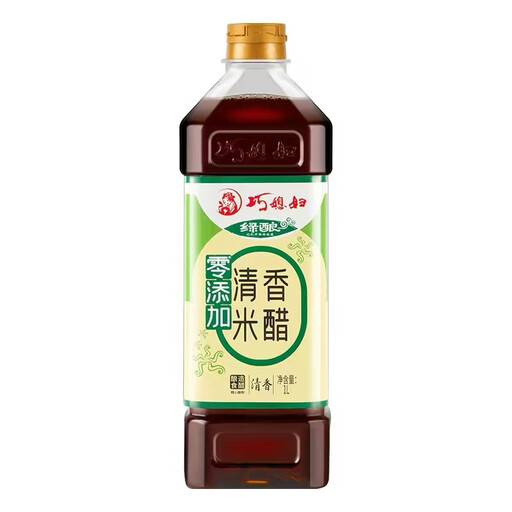
Why this product suits this profile: The 1-litre bottle is suited to households that regularly use rice vinegar in salads, dips, marinades, stir-fries and everyday cooking.
The product information states an acidity of 3,5° and says it contains no preservatives, sweeteners or colourings. However, the ingredients list includes sugar and wheat ingredients, so check this before buying.
1 litre, Chinese origin and stated uses including cooking, stir-fries, cold dishes and dips.
For sushi rice, a lighter vinegar with a more delicate flavour is also a good choice. When using it, start with the amount specified in your recipe and adjust only after tasting. With strongly flavoured varieties, you may need less.
We’ve put together a complete, regularly updated list of products that meet these strict selection criteria and fully comply with the safety regulations in force in the EU.
A light, mild rice vinegar is usually used for sushi rice. Look for clear acidity information and check whether sugar or salt has already been added. Black rice vinegar can alter the colour and flavour of the rice more noticeably.
The best-before date is shown on the packaging. Store unopened bottles in a cool, dry place away from direct sunlight. Once opened, follow the manufacturer’s instructions: some products can be kept at room temperature, while others need to be refrigerated. Close the bottle after each use and keep the rim clean.
For occasional use, 150 to 250 ml is enough. A 500 ml bottle of rice vinegar is a practical middle ground for regular salads, marinades and Asian dishes. A 1-litre bottle is most worthwhile if you cook often or want to use it in several ways around the home. The key is to make sure your rate of use suits the storage life and recommended storage conditions after opening.