Lieferung heute & morgen

Qualitätsgarantie

Willkommens-Angebote freischalten: KOSTENLOSE Lieferung | Bis zu 80 % RABATT | Kostenlose 30-Tage-JoyPlus-Testphase
App herunterladen
The preparation of a meal often begins in silence. It is a moment of concentration, where the selection of ingredients plays as significant a role as the technique of their preparation. A well-stocked pantry is more than just a collection of foodstuffs; it is a library of flavours, a toolbox for culinary creativity. In this repertoire, vinegar plays a central, often underestimated role. It is not merely a souring agent, but a modulator that lends depth, balance, and complexity.
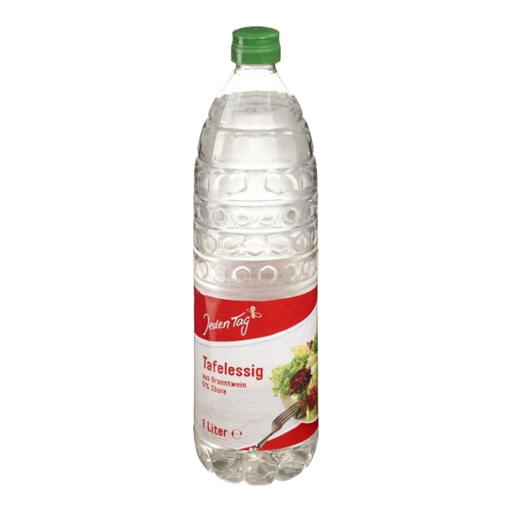
Acidity is one of the fundamental pillars of taste. It enhances other flavours, cuts through the monotony of fat and sweetness, and creates a tension that makes a dish truly interesting. But not all acidity is created equal. The world of vinegar is a vast landscape, its nuances derived from the raw material, the production process, and the aging period. A simple distilled white vinegar offers a clean, almost neutral sharpness. Apple cider vinegar, on the other hand, brings a fruity, earthy note reminiscent of autumn.
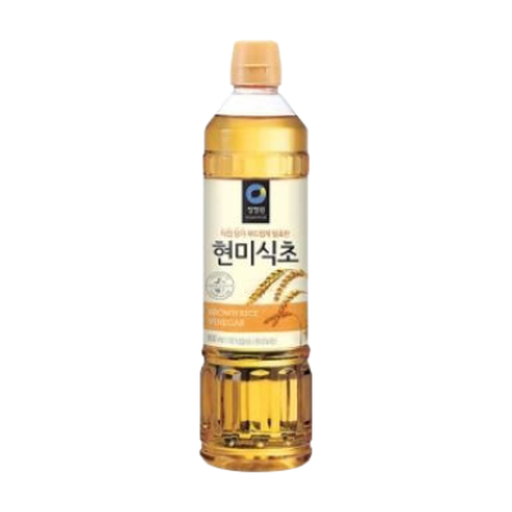
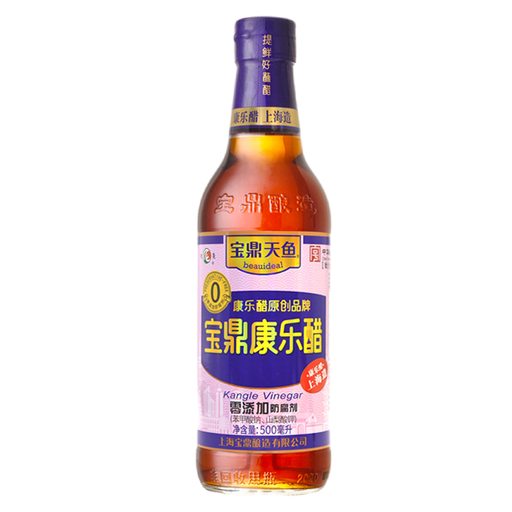
Asian cuisine has perfected this philosophy of differentiated acidity. A mild vinegar like Japanese or Korean vinegar made from rice is often the foundation. Its gentle, slightly sweet character makes it the ideal partner for preparing sushi vinegar, where it seasons the rice without overpowering it. In contrast stands Chinese vinegar, particularly black vinegar. Its production is more complex, often involving wheat, millet, or sorghum in addition to rice. The subsequent aging process gives it a dark colour and a deep, malty, and sometimes smoky aroma. Zhenjiang vinegar is a well-known example, its characteristic taste inextricably linked with Chinese dumpling culture. It is less of an accent and more of an essential component of the flavour profile.
This diversity continues in Europe. A Balsamic vinegar from Modena, aged for years in wooden barrels, develops a syrupy consistency and a complex sweetness that goes far beyond simple acidity. The art of cooking lies in understanding this vocabulary and selecting the right finishing vinegar for the purpose at hand—not as an interchangeable ingredient, but as a precision instrument.
A thoughtful selection of vinegars on your shelf allows for precise control over the balance of flavours. For dishes that demand a deep, umami-rich acidity, aged black vinegars are an excellent choice. The Qianhe 3-Year 5-Grain Cellar Aged Vinegar, for instance, is brewed from five different grains and aged for three years, giving it a particularly multi-layered profile. It is well-suited for braised dishes or as a complex base for dips. An even more specific regional character is offered by the Zhengshun Zhenjiang Aged Vinegar, whose designation of origin guarantees traditional production and an authentic, malty taste.
For lighter applications where a clean, unobtrusive acidity is required, light rice vinegars are ideal. The Pearl River Bridge Rice Vinegar, made from water, rice, and salt, is one such foundational product. Its clarity makes it perfect for pickling vegetables or for vinaigrettes where the flavours of herbs and oil should take centre stage. An interesting variation is the Patchun Black Rice Vinegar Sauce from Hong Kong. Although labelled as a black vinegar, it is enriched with spices like cinnamon and star anise, making it a ready-made seasoning sauce that lends an aromatic depth to meat dishes.
Bridging the gap to European tradition is a classic Aceto Balsamico di Modena. Products with the Protected Geographical Indication (P.G.I.), such as the Bertolli Balsamic Vinegar, guarantee a standard based on the use of wine vinegar and concentrated grape must. Its balanced sweetness and acidity harmonise not only with salads but also with cheese, meat, or even fresh strawberries. Such a vinegar is less an everyday condiment and more a finishing touch that gives a dish its final polish.
For those who wish to explore a broader curation of seasoning sauces based on these principles, the complete directory for Chinese Sweet Vinegar offers further inspiration.