
Lieferung heute & morgen

Qualitätsgarantie

Willkommens-Angebote freischalten: KOSTENLOSE Lieferung | Bis zu 80 % RABATT | Kostenlose 30-Tage-JoyPlus-Testphase
App herunterladen
The world of Asian rice wines can be daunting. A search for "rice wine" online or in an Asian market reveals a vast spectrum of products—from the milky, cloudy Makgeolli to amber-hued Shaoxing wine. However, this diversity often leads to purchasing mistakes, as the differences in taste and application are significant. As your Joybuy Product Recommendation Officer, I'm here to help you identify the typical pitfalls and make an informed choice.
Many shoppers are guided by appealing labels or vague product descriptions. The result is often a product that doesn't meet their expectations. Watch out for these three common issues:
To find the right rice wine, you should check three fundamental parameters. These will help you objectively evaluate the product's characteristics.
The most critical distinction is between cooking wine and drinking wine.
The origin often provides a clue to the wine's character.
A look at the ingredients list is essential, especially for flavored rice wines.
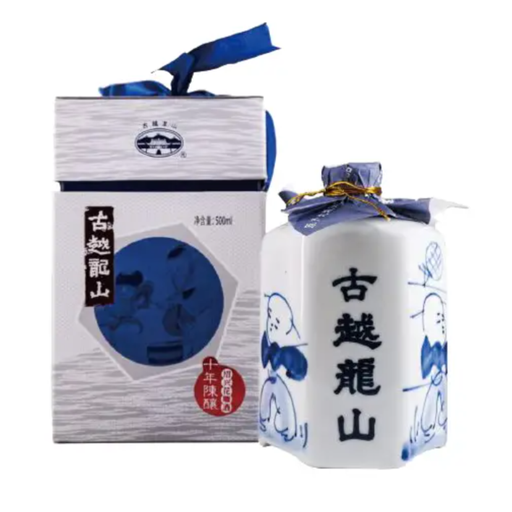
Why This Fits Their Persona: Ideal for home cooks who want to achieve the authentic flavor of Chinese braises and marinades. This wine imparts a distinctive depth and a complex umami flavor to dishes.
This is a pure, traditionally made cooking wine. It avoids the pitfall of using a sweet drinking wine for savory dishes, delivering the expected salty and savory profile instead.
10 years aged for an exceptionally complex aroma. Made from glutinous rice, wheat, and water from the Jian Lake region.
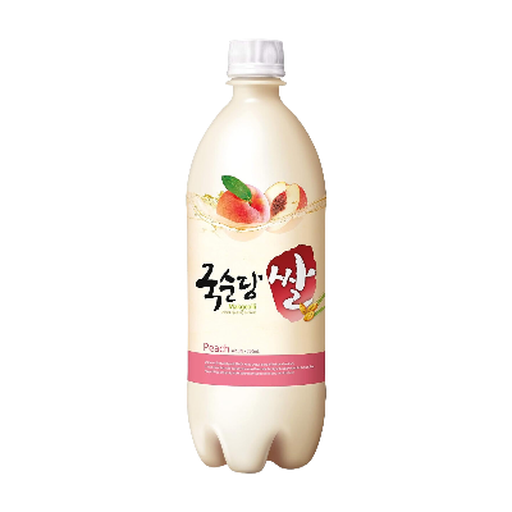
Why This Fits Their Persona: Perfect for anyone curious about Korean culture or looking for a light, fruity drink for get-togethers with friends. The low alcohol content and sweet taste make it very approachable.
This product is clearly positioned as a flavored, light beverage. It avoids confusion with traditional, unsweetened Makgeolli or cooking wine thanks to its distinct flavor and low alcohol content.
Combines the creamy texture of Makgeolli with a refreshing peach flavor. At 3% ABV, it's a light alternative to wine or beer.
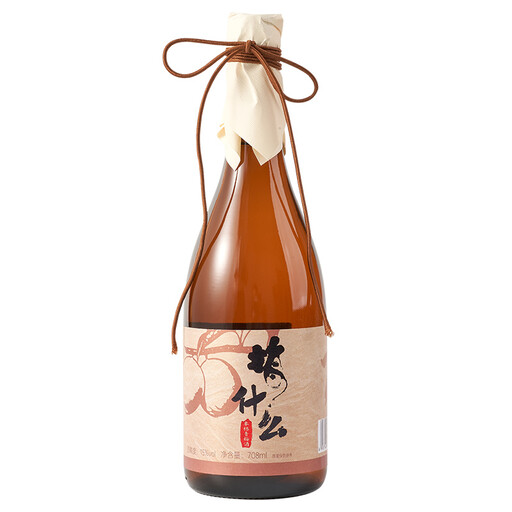
Why This Fits Their Persona: For connoisseurs seeking a high-quality plum wine as an aperitif, digestif, or for cocktails. The focus is on a natural, fruity flavor profile without artificial additives.
This product sidesteps the trap of artificially flavored wines. According to the manufacturer, only green plums, sugar, and alcohol are used, with no additional colorings, flavorings, or acidulants.
According to the manufacturer, the whole fruits are fermented for 365 days, ensuring a rich fruit aroma and a smooth wine taste. The base is traditional Xiaogan rice wine.
We've compiled a complete, up-to-date list of products that fully meet these strict selection criteria and all relevant regulations.
Opened rice wine should always be stored in the refrigerator. Its shelf life varies by type. A cooking wine like Shaoxing lasts longer due to its salt and alcohol content. Drinking wines, especially carbonated Makgeolli, should be consumed within a few days to preserve their freshness and texture. Always follow the instructions on the label.
While technically possible, it's not recommended. Sweet or flavored drinking wines can negatively affect the taste of a savory dish. For authentic results in Asian cuisine, a dedicated rice wine for cooking like Shaoxing wine is the appropriate choice, as its flavor profile is designed to enhance food.
Makgeolli is a Korean rice wine. It is typically milky-cloudy, slightly sweet, often carbonated, and has a low alcohol content. It is enjoyed chilled as a beverage. Shaoxing wine is a Chinese rice wine with an amber color and a complex, salty-nutty flavor. It is primarily used as a seasoning in cooking, although high-quality, long-aged varieties can also be sipped straight.