Families packing snacks for school
If you’re packing rice cakes for break time or the journey to school, pack size, ingredients and nutritional information can help you compare plain, mini and sweet varieties.


Plain rice cakes are a useful starting point for a regular lunchbox snack if ingredients, sugar and salt content are your main considerations. Mini versions are a better fit when a small pack is important, while chocolate-coated options are worth checking separately for their nutritional information and allergens. Which rice cakes are suitable to pack also depends on the specific product and your child’s needs.
If you’re packing rice cakes for break time or the journey to school, pack size, ingredients and nutritional information can help you compare plain, mini and sweet varieties.
The label on the specific product is what matters. For example, a rice cake labelled gluten-free may contain sesame or carry warnings about traces of milk and soya, as shown by the information for the REWE Bio variety with sesame.
If you regularly pack rice products, you could also include snacks made from other grains and foods. The Federal Institute for Risk Assessment notes that rice products, including rice cakes, can contain relatively high levels of inorganic arsenic.
For a school bag, it’s worth deciding first what sort of portion you need, then checking the ingredients, nutritional information and any allergens that matter to you on the pack.
| What to consider | What to check when buying | Who it matters most to |
|---|---|---|
| Portion size and portability | Pack size and the size of each cake; for individual break-time portions, check whether they’re individually wrapped. | If you want to put a snack straight into a school bag without any preparation, a handy, individually portioned pack is more useful than a large multipack. Around 42% of consumers put this practical need first. |
| Ingredients and nutritional information | The ingredients list, plus sugar and salt per 100 g; for chocolate-coated cakes, check the coating too. | If you regularly pack a snack for break time, you’ll want to be able to compare plain and sweet varieties using the information on the pack. This comparison is a priority for around 33% of consumers. |
| Allergens and variety | If needed, check the gluten-free claim, ingredients and allergy advice; alternate rice snacks with other foods. | If you need to avoid certain allergens or already eat rice products often, both the specific recipe and the choice of other snacks matter. This check is a priority for around 25% of consumers. |
According to the Federal Institute for Risk Assessment, rice is gluten-free. But that doesn’t mean every rice cake is labelled gluten-free or free from other allergens: the REWE Bio rice cake with sesame contains sesame and carries warnings about traces of milk and soya.
If you need to avoid gluten, check the label on the specific pack. If you have other allergies, check the ingredients and allergy advice separately.
For the Bio rice cakes described by EDEKA, the plain variety contains 0.6 g of sugar and 3.2 g of fat per 100 g, while the milk chocolate variety contains 28.2 g of sugar and 26 g of fat per 100 g. Fruit-derived sweetness doesn’t mean a product is sugar-free either.
Compare the nutritional information per 100 g and the ingredients list for the specific pack you’re choosing, rather than deciding on the packaging alone.
The Federal Institute for Risk Assessment notes that rice cakes and other rice products can contain relatively high levels of inorganic arsenic. This is worth bearing in mind when deciding how often to pack rice snacks.
Alternate rice cakes with snacks made from other grains and foods.
ALDI SÜD notes that nutritional information for its GUT BIO rice cakes may vary between suppliers. EDEKA also points out that product information may differ from what’s shown on the packaging.
Especially if you have allergies, check the information on the pack you’re actually buying.
The examples below show how specific rice cake varieties differ; the features of one variety won’t necessarily apply to the whole brand.
The rice cake with sesame described by REWE is labelled gluten-free and contains wholegrain rice and sesame.
EDEKA describes both a plain rice cake made with rice as its only ingredient and a milk chocolate variety.
ALDI SÜD describes its apple mini rice cakes as a snack in a 50 g pack for when you’re out and about.
ALDI SÜD describes a salted organic rice cake under the GUT BIO brand, in a 135 g pack.
Kallo describes a lightly salted organic rice cake made with wholegrain rice and sea salt.
This selection includes a honey-flavoured rice cracker, a rice cake with milk chocolate and a mildly spicy mini rice cracker. None of these three varieties is a direct substitute for a plain rice cake; choose based on taste, pack format and the ingredients and allergen information.
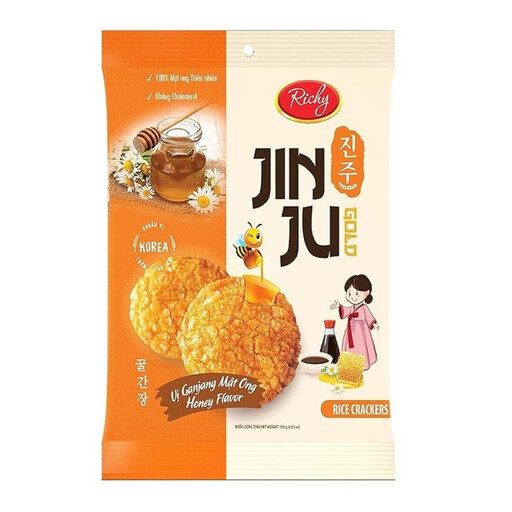 No image available
An option if you’d prefer a honey-flavoured rice cracker rather than a plain rice cake. For individual portions at break time, check whether the pack has an inner wrapper; if you need to avoid gluten or soya, check the ingredients and allergen advice on the pack.
 No image available
A chocolate-coated alternative to plain rice cakes. As these contain milk chocolate, check the pack if you have a milk allergy. For individual portions at break time, also check how the rice cakes are packed inside the pack.
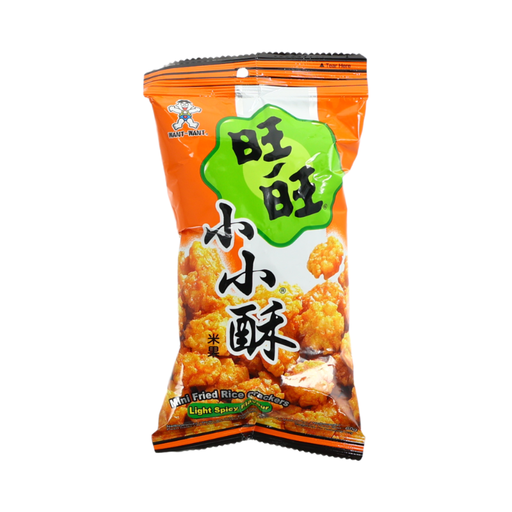 No image available
The smaller pack could be a good option if mildly spicy rice crackers suit your child and the occasion. The mini format doesn’t mean each cracker is individually wrapped, so check before packing them. Also check the ingredients and allergens.
No. According to the Federal Institute for Risk Assessment, rice is gluten-free, and some rice cakes are specifically labelled gluten-free. Even so, check the ingredients, gluten-free claim and any allergen information that matters to you on the specific pack.
They can differ considerably in their sugar, fat and ingredients. EDEKA lists 0.6 g of sugar and 3.2 g of fat per 100 g for its organic plain rice cake, compared with 28.2 g of sugar and 26 g of fat per 100 g for its organic milk chocolate variety. These figures are for the two products mentioned, not all rice cakes.
The Federal Institute for Risk Assessment’s warning that rice products may contain relatively high levels of inorganic arsenic is a reason not to rely on them as your only everyday snack. Instead, alternate rice cakes with snacks made from other grains and foods.
The size of each cake, the ingredients and the information on the specific pack matter more than the word “mini” alone. The MAMIA BIO apple mini rice cakes described by ALDI SÜD come in a 50 g pack. The pack weight alone doesn’t tell you whether they’re suitable for every child or whether the individual cakes are wrapped.