Lunch to top yourself
You want to use a rice cake as the base for a quick topping and choose the ingredients yourself. If you’re looking for a product explicitly labelled gluten-free, check the specific pack.


For a lunch you can top yourself, plain rice cakes make a crunchy base, and you can choose the toppings separately. If you want something ready to eat during a short break, rice crackers are another option. But a small pack only counts as a stated single portion if the portion information confirms it. For sweet and savoury varieties, it’s also worth checking the ingredients, sugar and salt.
You want to use a rice cake as the base for a quick topping and choose the ingredients yourself. If you’re looking for a product explicitly labelled gluten-free, check the specific pack.
You want something you can eat at your desk without any preparation. A pack labelled as one portion can make it easier to judge how much to have; for flavoured rice crackers, compare the ingredients and nutritional information for each variety.
As well as the rice, check for sesame, milk and soya ingredients, wheat and any ‘may contain’ warnings. The labelling for the specific variety matters—not just the name ‘rice cake’.
First, decide whether you want a rice cake as a base for a topped lunch or a ready-to-eat snack. Then check the portion information and ingredients for the specific variety.
| Criteria | What to check | Who it matters to |
|---|---|---|
| Lunch with toppings | Check the nutritional information per rice cake or planned portion, and think about what you’ll add on top. | If I want to put together a light meal, I’ll need a suitable topping as well as the rice cake. For around 42 % of consumers, adding to their lunch in this way is the main priority. |
| Portion and how you’ll eat it | Check the pack weight and stated number of portions; a small pack isn’t automatically a single portion. | During a short work break, I want something I can eat without preparation and a clear idea of how much I’m having. Around 33 % of consumers prioritise this. |
| Ingredients and allergens | Compare the ingredients list, sugar and salt per 100 g, and the allergen and gluten-free labelling for each variety. | If I need to avoid certain ingredients or am choosing between flavours, the specific recipe is what matters. This is the top priority for around 25 % of consumers. |
One rice cake from the Bio variety described by REWE weighs 6,7 g and contains 0,6 g of protein. So you can’t judge the nutritional value of a topped lunch from the rice cake’s nutritional information alone.
If you choose rice cakes as a lunch base, include your topping in the plan and consider the meal as a whole.
Ingredients and nutritional values vary by variety. For example, REWE states that Reis-Fit Risbellis Barbecue contains 1,7 g of salt per 100 g.
Compare sweet and savoury varieties using their own ingredients lists and nutritional information per 100 g.
REWE describes the 40-g pack of Reis-Fit Risbellis Caramel as one portion. That doesn’t mean other small packs contain the same number of portions or have the same ingredients.
Check the portion information, allergens and ‘may contain’ warnings on the pack of the variety you want to buy.
The Verbraucherzentrale (German Consumer Advice Centre) points out that rice products, including rice cakes, may contain inorganic arsenic. Its advice is particularly relevant to the diets of babies and toddlers.
For young children, vary the grains you serve rather than regularly including large amounts of rice-based products.
REWE sells rice cakes under its REWE Bio brand; the 100-g variety described contains wholegrain rice and sesame.
EDEKA24 lists Alnatura Bio Rice Cakes Sea Salt as a 100-g variety labelled gluten-free.
REWE sells Reis-Fit Risbellis flavoured rice crackers, including Caramel and Barbecue in 40-g packs.
ALDI SÜD describes GUT BIO salted rice cakes in a 135-g pack.
This selection is mainly made up of flavoured rice crackers for snack breaks. FruchtBar Crispy Sticks are a millet snack, not rice cakes; none of the products shown here should be considered a stated single portion based on pack size alone.
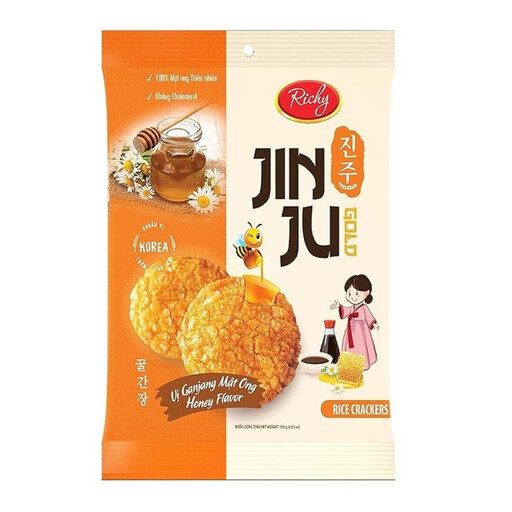 No image available
A honey-flavoured snack option for a break at your desk; this doesn’t mean the pack is a stated single portion.
If needed, check the ingredients and allergen labelling, particularly for wheat and soya.
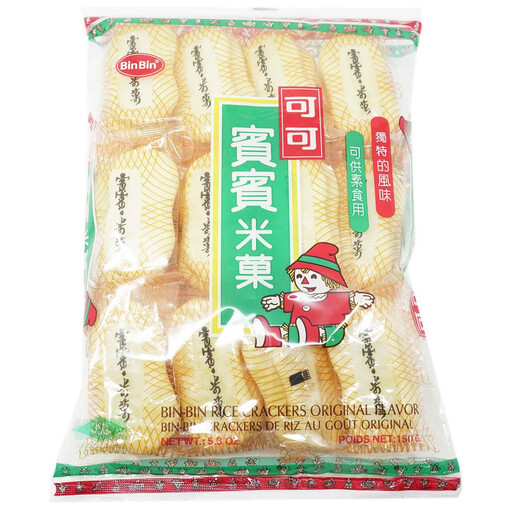 No image available
Rice crackers for a snack break without toppings; the 150 g pack weight alone doesn’t tell you how many portions it contains.
If you have dietary requirements, check the information about wheat and soya on the pack.
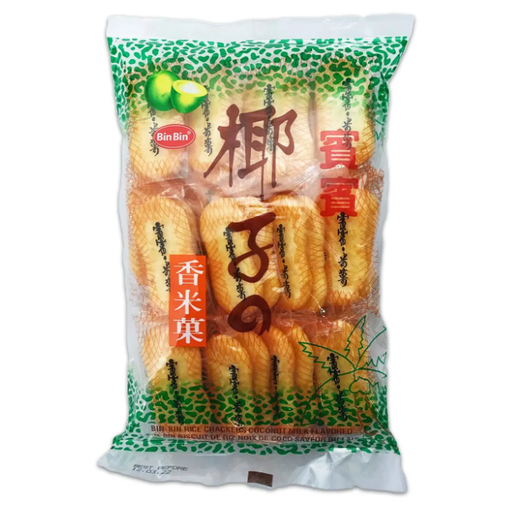 No image available
A coconut-flavoured rice cracker for a snack break, rather than a plain base for toppings.
The pack contains 150 g; check the portion information and, if needed, the allergen and ‘may contain’ warnings for the variety on offer.
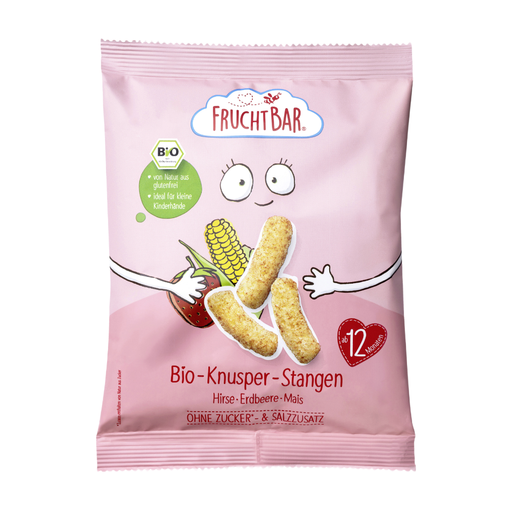 No image available
A 30-g millet snack with strawberry for a short break—not a rice cake to use as a lunch base.
If ingredients, allergens or specific dietary requirements matter to you, check the labelling on the product itself.
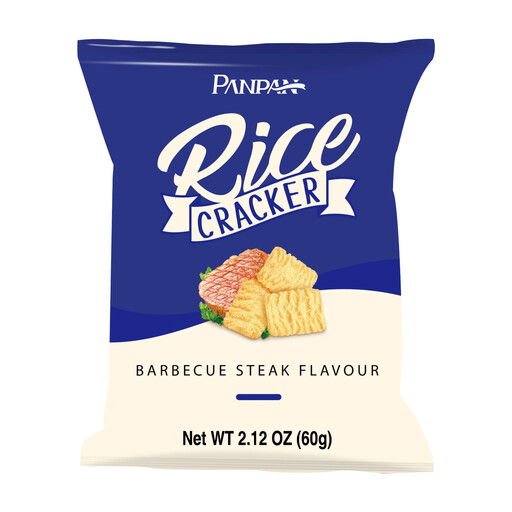 No image available
Savoury rice crackers in a 60-g pack for a snack break without toppings; the pack weight isn’t a stated portion size.
In particular, check the ingredients and allergen information for wheat, soya and egg.
A rice cake on its own isn’t automatically a complete meal. For the Bio variety described by REWE, each 6,7-g rice cake contains 0,6 g of protein. If you use it as a lunch base, include toppings and sides in your plans.
No—don’t rely on the product name alone. The varieties mentioned of REWE Bio rice cakes and Alnatura Bio Rice Cakes Sea Salt are described as gluten-free; when buying, always check the labelling on the specific pack.
Only if the portion information confirms it for that specific product. REWE lists the 40-g pack of Reis-Fit Risbellis Caramel as one portion; you can’t assume the same applies to other small packs.
Follow the storage instructions for the specific variety and seal the pack well. For its Beste Wahl Mini Rice Cakes, REWE recommends using an airtight container after opening and eating them within five days.
For babies and toddlers, the Verbraucherzentrale advises varying the types of grain they eat. Rice products such as rice cakes may contain inorganic arsenic, so they shouldn’t be a regular, one-sided choice of grain.