Who might these options suit?

Students keeping an eye on protein

If you want the cakes themselves to contribute to the protein in your dinner, the nutritional information for the specific product is key. For the lentil cakes considered here, REWE lists 25 g of protein per 100 g, while its information for Verival Protein Corn Cakes lists 18.4 g per 100 g.

Students planning dinners with just a few ingredients

If you’re using cakes as a quick base for toppings, consider the quantity you need alongside what you’ll add. A pack of cakes on its own doesn’t tell you much about the make-up of your planned portion.

People with ingredient or allergen requirements

If you eat a plant-based diet or need to avoid certain ingredients, check the labelling on the specific product. The products considered here differ in their main ingredients and in the traces they may contain.

What should you consider when choosing?

Lentil cakes

A good fit if: You want the cakes themselves to have a higher protein content and are happy to choose red lentils as the base.

Things to consider: The REWE Bio Lentil Cakes considered here also contain sea salt, so they aren’t a neutral-tasting rice cake.

Protein corn cakes

A good fit if: You’d like an alternative to rice made with corn and pulses.

Things to consider: The Verival cakes considered here contain pea protein as well as corn and pulses, so they aren’t made from rice alone.

Classic rice cakes

A good fit if: You want a simple rice base and prefer to choose your own toppings for dinner.

Things to consider: The protein content of the rice products considered here is lower than that of the lentil and protein corn cakes compared here. You’ll also need to plan the ingredients for your toppings.

What to consider What to check when buying Who it matters to
Protein content of the cakes Compare the protein per 100 g and for the portion you’ll actually eat; consider the main ingredients too. If I want the cakes themselves to contribute to the protein in my dinner, I want to know their protein content separately from the toppings. For around 33% of consumers, this is the main priority.
Portion size you can plan for Consider the pack weight, how many cakes you’ll need and the ingredients for your toppings together. When planning a meal with just a few ingredients, I want to know how many portions I can make from the cakes and toppings. This is the top consideration for around 27% of consumers.
Cakes as a base for dinner Decide whether you’ll add toppings and what they’ll be; don’t apply the nutritional values of one recipe to other portions. If I want a topped dinner rather than a dry snack, I plan for the extra ingredients too. Around 27% of consumers prioritise this.
Ingredients and allergens Check the ingredients list and any may-contain information on the specific pack; don’t assume that vegan means allergen-free. If I need to avoid certain ingredients or am looking for a plant-based cake, the labelling on the specific product is what matters to me. This requirement comes first for around 13% of consumers.

Which assumptions can make choosing harder?

  • Assuming all rice cakes are high in protein

    The nutritional information varies between the types of cakes considered here. EDEKA lists 8.7 g of protein per 100 g for its Natural Rice Cakes, while ALDI SÜD lists 6.7 g for GUT BIO Organic Rice Cakes with Salt. REWE’s figures for the lentil and protein corn cakes considered here are 25 g and 18.4 g per 100 g respectively.

    Compare the nutritional information for the specific product, then work out the amount based on how much you actually plan to eat.

  • Planning dinner around the pack of cakes alone

    With classic rice cakes, other ingredients can make up a significant part of the planned meal. Lidl Cooking lists 9.1 g of protein for a recipe portion made with rice cakes, chickpeas, beetroot and sesame. This figure is for the recipe portion, not the cakes alone.

    Plan your toppings and their quantities alongside the cakes rather than treating the figures for different portions as equivalent.

    A topped dinner needs extra ingredients and a little preparation time.

  • Assuming vegan means allergen-free

    Even with a plant-based cake, may-contain information can affect your choice. EDEKA notes that the rice cakes considered here may contain traces of sesame; Kallo says its Organic Lightly Salted Rice Cakes may contain traces of milk, sesame and soya.

    If you have relevant allergies, check the ingredients and may-contain information on the pack you buy.

  • Relying on rice cakes as your only type of cake

    The German Federal Institute for Risk Assessment points out that rice products such as rice cakes can contain relatively high levels of inorganic arsenic.

    If you eat them regularly, aim for variety and consider cakes made from other ingredients too.

Brands and product ranges to help you choose

REWE Bio

According to REWE, the REWE Bio Lentil Cakes with Sea Salt considered here are made from 99.5% red lentils.

  • REWE lists 25 g of protein and 11 g of fibre per 100 g for this product.
  • Red lentils and sea salt make the ingredients and base different from plain rice cakes.

Verival

According to REWE, the Verival Bio Protein Cakes considered here are vegan corn cakes made with pulses and pea protein.

  • REWE lists 18.4 g of protein and 11 g of fibre per 100 g for this product.
  • These aren’t rice cakes; the mix of corn and pulses is relevant when choosing ingredients.

EDEKA Bio

EDEKA Bio Natural Rice Cakes are the rice option considered here that contains no salt as an ingredient.

  • EDEKA lists 8.7 g of protein per 100 g for this product.
  • EDEKA notes that the product may contain traces of sesame; check the labelling on the pack you buy.

GUT BIO / ALDI SÜD

The GUT BIO Organic Rice Cakes with Salt considered here are a classic rice option in a 135-g pack.

  • ALDI SÜD lists 6.7 g of protein per 100 g for this product.
  • According to ALDI SÜD, nutritional information may vary by supplier, so check the pack you buy.

Kallo

Kallo describes its Organic Lightly Salted Rice Cakes as being made with wholegrain brown rice.

  • Kallo lists 8.5 g of protein per 100 g for this product.
  • The product information notes that it may contain traces of milk, sesame and soya.

Lentil cakes at Joybuy

These lentil cakes could work as a base if you’d rather choose red lentils than rice. For a topped dinner, remember to consider your planned portion and the topping ingredients separately.
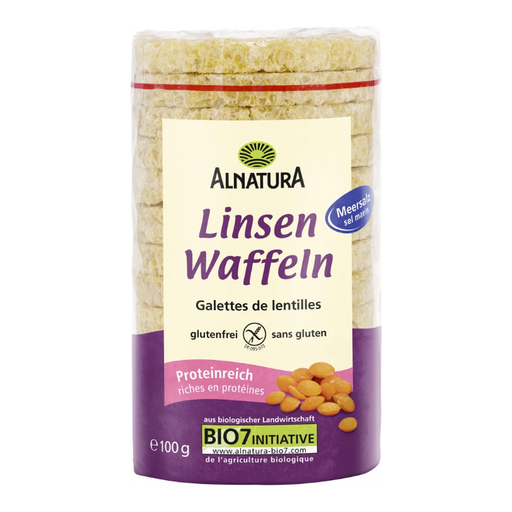
Alnatura Organic Lentil Cakes, 100 g pack

Alnatura Organic Lentil Cakes, 100 g

A lentil cake base for a topped dinner if you’re looking for an alternative to rice cakes. The pack contains 100 g; choose a portion size and toppings that work for your meal based on the specific ingredients.

If soya is a relevant allergen for you, check the information on the pack before buying.

View at Joybuy

Frequently asked questions

Are classic rice cakes enough on their own for a higher-protein dinner?

If you want the cakes themselves to have a higher protein content, the product information considered here points towards lentil or protein corn cakes. EDEKA lists 8.7 g of protein per 100 g for its Natural Rice Cakes, while ALDI SÜD lists 6.7 g for the GUT BIO Rice Cakes considered here. Toppings add to the protein in a topped dinner.

How do I compare the protein content of different cakes?

First compare the nutritional information per 100 g, then consider how much you plan to eat. For the REWE Bio Lentil Cakes considered here, REWE lists 25 g of protein per 100 g; for Verival Protein Cakes, it lists 18.4 g. The nutritional values for a portion depend on its size and any toppings.

How should I store cakes in student accommodation?

Follow the storage instructions on the relevant pack. For the Verival Protein Cakes considered here, the product description recommends storing them in a dry place and protecting them from heat and moisture.

Are vegan cakes automatically suitable for people with allergies?

No. A vegan label doesn’t replace checking the allergen information. EDEKA notes that its Natural Rice Cakes considered here may contain traces of sesame; Kallo says its Organic Lightly Salted Rice Cakes may contain traces of milk, sesame and soya. Always check the labelling on the specific pack.

What should I bear in mind if I eat rice cakes often?

Choosing a variety of cakes means rice doesn’t have to be your only base. The German Federal Institute for Risk Assessment points out that rice and rice products such as rice cakes can contain relatively high levels of inorganic arsenic.