
Lieferung heute & morgen

Qualitätsgarantie

Willkommens-Angebote freischalten: KOSTENLOSE Lieferung | Bis zu 80 % RABATT | Kostenlose 30-Tage-JoyPlus-Testphase
App herunterladen
Fresh summer rolls are one of the easiest dishes in Vietnamese cuisine to make: soak rice paper, fill it with vegetables, herbs, rice noodles or tofu, then roll it up. In practice, though, the sheets often tear or become sticky, and the rolls can be difficult to seal neatly. So if you’re buying rice paper for summer rolls, don’t choose based only on the price or an appetising product photo.
Vietnamese rice paper for fresh summer rolls is usually designed to be soaked briefly. This makes it pliable, so you can fill it directly with cold or already-cooked ingredients. Spring roll wrappers for fried rolls, on the other hand, may be intended for a different method of preparation, depending on the product.
So the label ‘rice paper for spring rolls’ can be misleading. Check the Instructions for Use on the packaging: if the sheet should be briefly soaked in water before filling, it’s suitable for fresh rolls. If the instructions specifically say to fry or bake it, follow the recommended method instead.
A common mistake is to wait until the rice paper is completely soft before preparing the filling. The sheet continues to absorb moisture after you take it out of the water. If you soak it for too long, it can become sticky or tear when you roll it.
A better approach is to briefly wet each sheet in lukewarm water, then lay it on a clean, slightly damp plate or board. After a short wait, it’s usually easier to roll than it is straight out of the water.
Rice paper isn’t always made with just rice and water. A product may also contain tapioca starch, wheat flour or salt. According to the product information, Bamboo Tree rice paper, 400 g, contains rice 60%, tapioca starch, wheat flour, salt and water; wheat is listed as an allergen.
If you want to avoid ingredients containing gluten, check the full product label. Storage instructions for after opening are also worth noting: several products should be kept in a cool, dry place away from sunlight. Seal opened packs tightly to stop the sheets drying out.
22 cm rice paper gives you plenty of room for vegetables, glass noodles, herbs and a protein such as tofu, chicken or prawns. Round sheets are ideal for classic rolls. Square sheets offer a different way to fold and can be handy depending on your preferred rolling technique.
Smaller sizes, such as 16 cm, are better suited to compact portions and smaller snacks, or to households that want to start with modest amounts of filling.
The 400 g rice paper weight refers to the net weight of the pack, not the number of sheets. How many summer rolls you can make depends on the diameter and thickness of the sheets, as well as how much filling you use. A larger pack is handy for regular family meals or cooking evenings. If you only use rice paper occasionally, you could start with 200 g.
For classic vegan summer rolls, products made with a rice or tapioca base are an obvious choice, but you should always check the specific ingredients list. The word ‘vegan’ on its own doesn’t tell you about allergens or how the product should be prepared.
Also look for clear instructions such as ‘for soaking’, ‘dip briefly in water’ or ‘do not soak for too long’. Fried rolls call for different wrappers from fresh rolls similar to Goi Cuon.
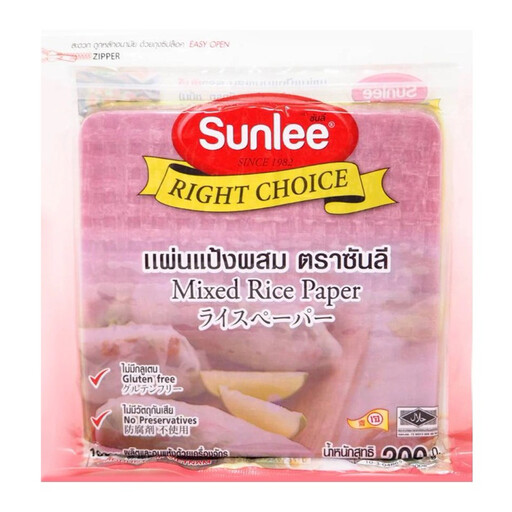
Why it suits this profile: The 16 cm square sheets and 200 g pack are ideal for first attempts and smaller portions.
The smaller pack means you don’t have to buy a large quantity before you’ve found the right soaking and rolling technique. The ingredients are clearly listed: tapioca flour, water, rice flour and salt.
A 200 g pack, square 16 cm sheets and, according to the product information, no listed allergens.
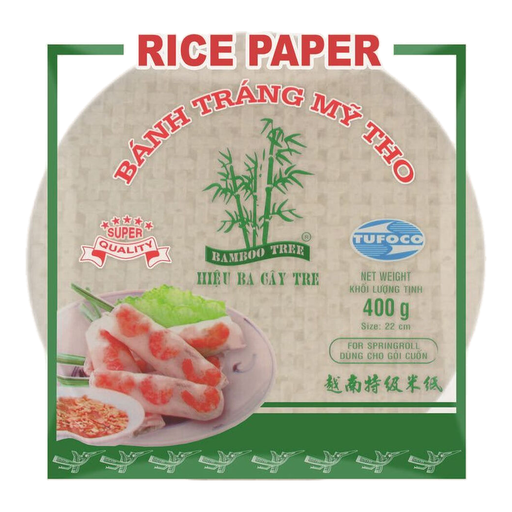
Why it suits this profile: The round 22 cm sheets and 400 g net weight are designed for making larger portions regularly.
The product information lists the ingredients, allergens, nutritional values and storage conditions, and advises soaking the sheets briefly. This makes it easier to assess how to prepare the product and whether it’s right for you before buying.
A 22 cm diameter, 400 g pack and a clear warning that it contains the wheat allergen. Suitable for choosing your fillings with care.
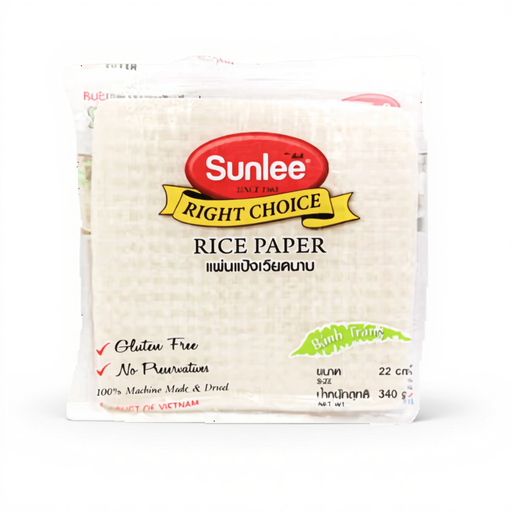
Why it suits this profile: The combination of a square shape, 22 cm sheets and a 340 g pack makes this a good choice for regular cooking evenings with a variety of Asian-inspired fillings.
The product description recommends a short soaking time and lists a simple combination of rice and water. This makes it easier to check whether the product is suitable for vegan summer rolls and other fillings.
22 cm sheets, a 340 g pack and, according to the product description, rice and water as ingredients. The product is described as vegan.
We’ve put together a complete, regularly updated list of products that meet these strict selection criteria and fully comply with the safety regulations in force in the EU.
For fried versions, check whether the specific rice paper for spring rolls is intended for this use, according to the packaging. Fresh and fried preparations aren’t automatically interchangeable.
A quick dip in lukewarm water is usually enough. The exact time depends on the thickness of the sheet, the water temperature and the product. Follow the instructions on the packaging. The sheet should still feel slightly firm, as it will continue to soften on your work surface.
Store rice paper in a cool, dry place away from direct sunlight. Once opened, it’s best to seal the pack tightly to prevent the sheets from absorbing moisture or drying out. You should also follow the manufacturer’s storage instructions.
No. Suitability depends on the ingredients list and any potential allergens. For vegan summer rolls, you’ll also need to check the fillings and sauces separately. Pay particular attention to the allergen warning on products containing wheat.