
Lieferung heute & morgen

Qualitätsgarantie

Willkommens-Angebote freischalten: KOSTENLOSE Lieferung | Bis zu 80 % RABATT | Kostenlose 30-Tage-JoyPlus-Testphase
App herunterladen
A ride-on toy should make moving around fun while also suiting your child’s age and height, as well as where they’ll use it. The options range from balance bikes for children and children’s tricycles to electric ride-on toys with remote controls. With so many models to choose from, however, making a decision can be tricky.
An age recommendation such as ‘from 3 years’ is no substitute for checking your child’s height, seat height and ability to use the toy. Your child may be the right age but not yet able to steer or brake safely, or place their feet correctly. Always check:
Music, a USB port, lights, a trailer or an automatic loading area can add to the fun. But they say little about manoeuvrability, how much space the toy takes up or how much maintenance it needs. For example, a children’s digger with a large scoop needs plenty of room to manoeuvre. A two-seater electric ride-on car may appeal to siblings, but it’s harder to transport and store.
How long an electric ride-on toy runs for and how far it can travel depend, among other things, on the total weight, surface, temperature, slopes and speed. Treat the figures provided as manufacturer estimates. It’s also important to check:
For children aged around 1 to 3, a balance bike for children, a low tricycle or a ride-on toy with an adjustable push handle is often a good choice. A 5-in-1 tricycle can suit several stages of development, as long as the seat, footrests and harness are adjusted correctly.
Ride-on toys for children aged 3 and over include go-karts, pedal-powered toys and electric models. When choosing a children’s go-kart, check the seat adjustment, steering lock and whether the pedals are within reach. Don’t exceed the maximum load. Depending on the product, this may refer to the child’s weight or the total load.
A stable chassis isn’t just about having more wheels. A low centre of gravity, a sufficiently wide base, grippy tyres and a steering system your child can manage are all key. If you’re considering an electric scooter for children, check whether the speed can be limited and whether an adult can supervise its use.
A remote control can help parents stay in control of a ride-on toy with remote control, but it doesn’t replace supervision. Check the range, emergency stop function and response time in the product description and instruction manual.
Metal frames can make pedal-powered toys sturdy. Plastic parts should be well finished and free from sharp edges. Tyre material and tread are also worth considering: EVA or solid rubber tyres need little maintenance, while pneumatic tyres may offer a more comfortable ride, depending on their design, but can need more care.
For outdoor use, also consider ground clearance, suspension, noise levels and whether the toy is suitable for asphalt, concrete or paved paths. Many ride-on toys are expressly not for use on public roads or in traffic areas. Always follow the relevant warnings and instructions for use. Suitable protective equipment, particularly a helmet and, where appropriate, knee and elbow pads, is essential.

Why this product suits this profile: This pedal-powered toy doesn’t need a battery, making it a straightforward choice for families looking for something to use on paved paths.
The two-position adjustable seat and forward and reverse gears help address concerns about limited use and difficulty operating the toy.
Metal frame, four wheels, a 30 kg weight limit and a stated age range of 3 to 8 years.
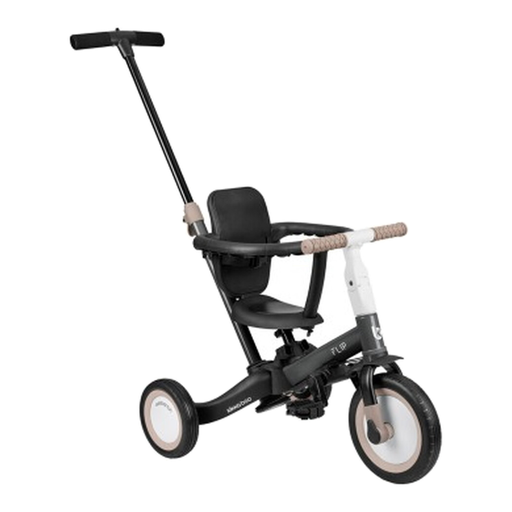
Why this product suits this profile: This 5-in-1 tricycle can see your child through several stages of development, while the push mode lets parents guide the direction of travel.
The adjustable seat, three-position push handle and harness help reduce the risk of the toy only being suitable for a short time.
Five modes of use, a steel frame, adjustable seat position and a stated age range of 12 to 72 months.
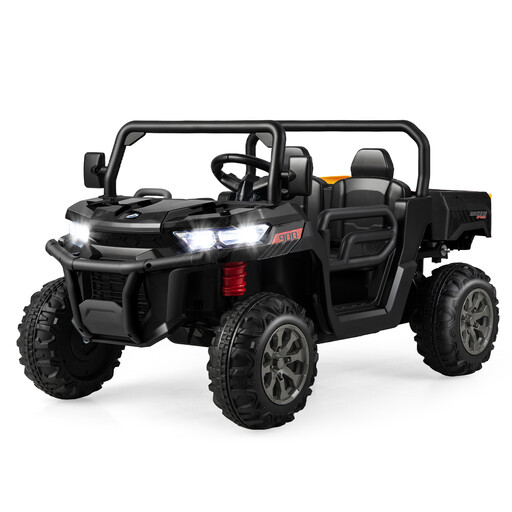
Why this product suits this profile: This two-seater electric ride-on toy is designed for families planning to enjoy rides together in the garden or on paved surfaces.
Three speed settings, soft start and a 2.4 GHz remote control give you more control over how it’s used.
12-volt battery, two motors, two seats, a 50 kg weight limit, suspension and a stated speed of 3 to 8 km/h.

Why this product suits this profile: This foldable electric scooter for children may suit families looking for a compact model with adjustable speed.
Its foldable design and three selectable speeds help address common storage and control concerns. Check that the app works with your smartphone before buying.
Five-wheel design, wide non-slip footboard, 120-watt motor and a stated maximum load of 60 kg.
We’ve put together a complete, regularly updated list of products that meet these strict selection criteria and fully comply with the safety regulations in force in the EU.
For toddlers, a ride-on toy with a push handle, a tricycle with a parent handle or a suitably designed 5-in-1 tricycle may be a good choice. A harness, footrests and close supervision are particularly important. A balance bike or pedal-powered toy should only be used once your child can operate it safely.
Actual running time depends on speed, load, surface, temperature and charge level, so treat the manufacturer’s figures as a guide. To help the battery last longer, charge it according to the instructions, protect it from moisture and avoid storing it fully discharged for extended periods.
Many models are toys for play and leisure, and aren’t approved for use on public roads. Check the product warnings and local requirements. In the garden, courtyard or other suitable private areas, adults should still supervise use, remove obstacles and adjust the speed to suit the child.