
Lieferung heute & morgen

Qualitätsgarantie

Willkommens-Angebote freischalten: KOSTENLOSE Lieferung | Bis zu 80 % RABATT | Kostenlose 30-Tage-JoyPlus-Testphase
App herunterladen
As your Joybuy Product Recommendation Officer, I see the vast and often overwhelming diversity of Riesling wine every day. The selection ranges from bone-dry to lusciously sweet, from affordable to exclusive. This variety is wonderful, but it also leads to common purchasing mistakes. Many labels promise more than the contents deliver or use terms that confuse more than they clarify. This guide is designed to help you separate the wheat from the chaff and find the perfect Riesling for your taste and occasion.
The most common pitfalls when buying Riesling are:
To avoid these mistakes, it's helpful to understand a few fundamental parameters.
Before you buy a Riesling, you should check three key aspects. These will help you interpret the label correctly and make an informed decision.
The level of sweetness is one of the most important characteristics of a Riesling and is determined by the residual sugar content in the wine. The legally defined terms provide a reliable guide:
German Riesling is classified into quality levels. The most important category is Qualit?tswein, often with the designation "bestimmter Anbaugebiete" (Q.b.A.), meaning from a specific growing region. These wines must come from one of the 13 German wine-growing regions and meet certain minimum requirements.
The origin also provides clues about the style:
In addition to classic still wines, there is a growing selection of specialities:
Here are some recommendations tailored to different needs and occasions that avoid the pitfalls mentioned above.
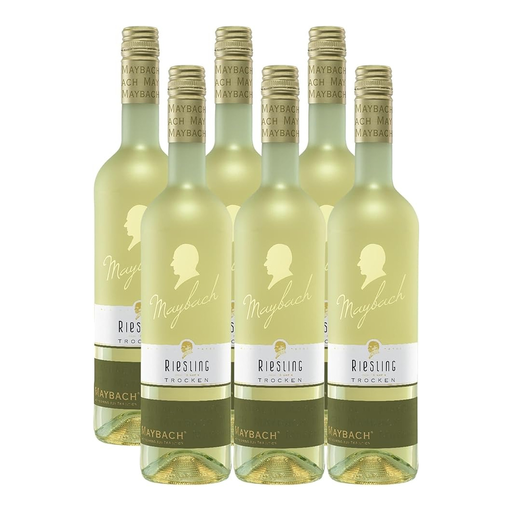
Why This Fits Their Persona: Ideal for those seeking a reliable and straightforward white wine from Germany for everyday enjoyment. It pairs well with light dishes or is perfect for a casual evening.
The clear labelling as "trocken" (dry) and Qualit?tswein (QbA) from the Pfalz region sets a reliable taste expectation without the premium price of a complex single-vineyard wine. You get a solid standard.
Good value for money in a 6-bottle case. Aromas of mirabelle plum and peach make it very approachable.
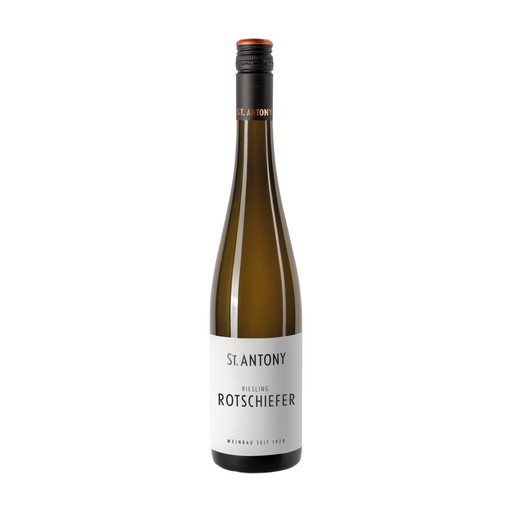
Why This Fits Their Persona: For wine drinkers who value origin, terroir, and artisanal production. This organic Riesling comes from a renowned vineyard site and offers an authentic taste experience.
Here, quality isn't just claimed; it's proven by its origin (Roter Hang in Rheinhessen) and Demeter certification (DE-?KO-039). These are verifiable standards that go beyond mere marketing.
Biodynamic cultivation, spontaneously fermented. Shows depth and finesse with moderate acidity, typical of the site's red rock soil.
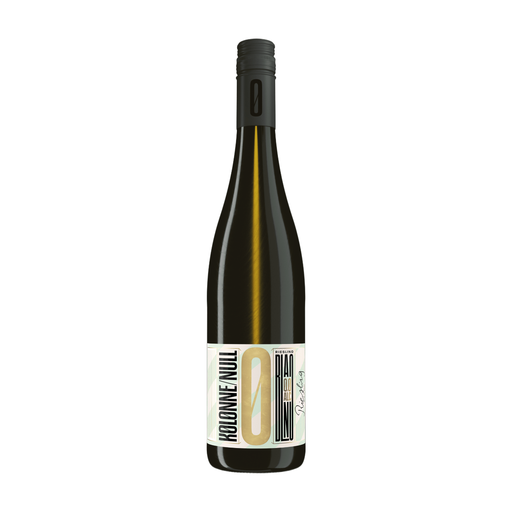
Why This Fits Their Persona: Perfect for health-conscious enthusiasts, designated drivers, or anyone who wants to skip the alcohol but not the character of a fine wine. A stylish, modern alternative.
This non-alcoholic Riesling is not just sweet grape juice. According to the manufacturer, the alcohol is gently removed via vacuum distillation, which preserves the wine's typical aromas and acidity. The result is complex and not merely sweet.
Organic quality (DE-?KO-039) with 0.0% alcohol. Offers refreshing acidity and mineral notes, which is not a given for non-alcoholic wines.
We have compiled a complete, up-to-date list of products that fully meet these strict selection criteria and German quality standards.
Tall, slender glasses with a small opening are ideal for Riesling. This shape concentrates the delicate fruit and floral aromas and directs the wine to the tongue in a way that optimally showcases the balance between sweetness and acidity. A classic Riesling glass enhances the wine's freshness and minerality. For those who enjoy tasting different wines, a set like the RIEDEL Veloce Crystal Tasting Set is worth considering, as it includes specific glass shapes for different grape varieties to highlight their characteristics.
The origin significantly shapes the wine. To simplify:
An organic Riesling is made from grapes grown according to the guidelines of organic viticulture. This means that no synthetic chemical pesticides, herbicides, or artificial fertilisers are used in the vineyard. Instead, soil health is promoted through natural methods. These wines can be identified by the EU organic seal (a leaf made of stars on a green background) or by the logos of farming associations like Demeter or Bioland, which often have even stricter criteria.