
Lieferung heute & morgen

Qualitätsgarantie

Willkommens-Angebote freischalten: KOSTENLOSE Lieferung | Bis zu 80 % RABATT | Kostenlose 30-Tage-JoyPlus-Testphase
App herunterladen
The world of Riesling wine can be overwhelming. From the steep slopes of the Mosel to the sunny vineyards of the Pfalz, and from bone-dry to lusciously sweet, the selection is vast. Many people wonder: Which German white wine suits my taste and the occasion? How can I identify hallmarks of quality, and what do terms like VDP wine or Organic Riesling actually mean?
This guide is designed to help you navigate the options. As your Joybuy Product Recommendation Officer, I have compiled this information to provide an objective basis for your purchasing decision. The goal is to help you find a Riesling that meets your expectations, without getting lost in marketing jargon.
A little basic knowledge goes a long way in choosing the right German Riesling. The following points offer a helpful framework.
The growing region (terroir) has a significant impact on a wine's taste. Each German wine region imparts its own unique character to Riesling.
Two designations are particularly helpful for navigating the quality spectrum:
The designation on the label indicates the residual sugar content.
Based on these criteria, we have curated a selection of different Riesling styles to suit various preferences and occasions.
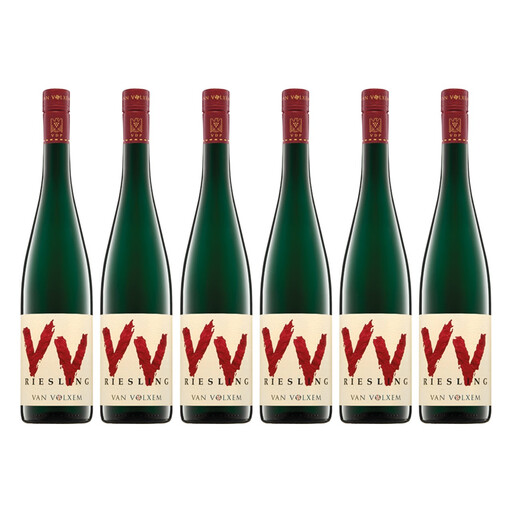
What makes it special This wine from the renowned Van Volxem estate represents the elegant and mineral-driven style of the Saar, a sub-region of the Mosel. Made from Riesling grapes, it embodies the finesse for which the area is famous. The convenient Riesling wine case of six bottles is ideal for stocking up.
Product Details
Who is it for? This Riesling is aimed at connoisseurs who appreciate the classic, terroir-driven style of the Mosel and are looking for a wine for special occasions or to pair with fine cuisine.
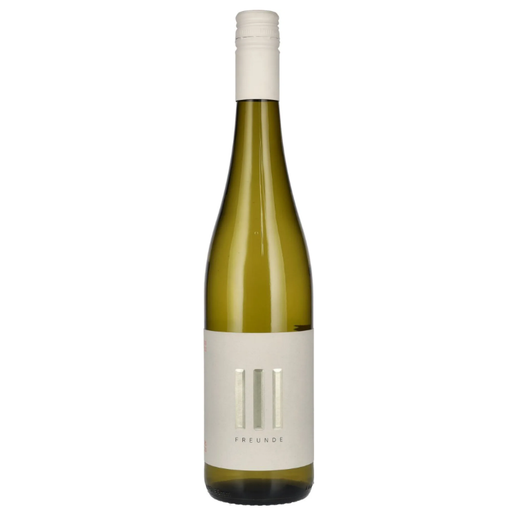
What makes it special The wine from Joko and Matthias (Winterscheidt and Schweigh?fer) represents a modern and approachable style of wine enjoyment. It was created with the aim of combining quality with sociability. Its fruit-forward character makes it highly accessible.
Product Details
Who is it for? Ideal for a younger audience and anyone looking for a fresh, fruity, and modern dry Riesling for relaxed evenings with friends, barbecues, or picnics.
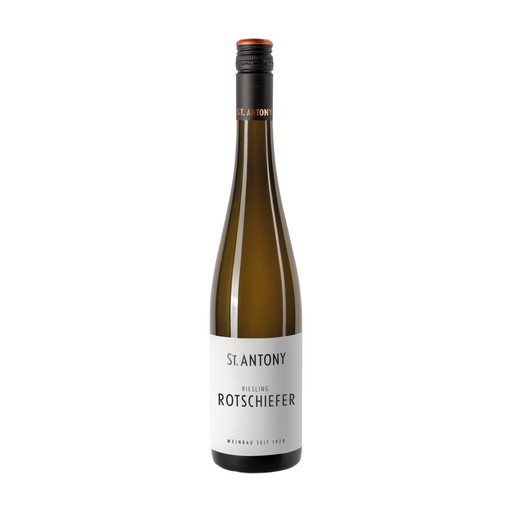
What makes it special This wine comes from the VDP estate St. Antony in Rheinhessen and is biodynamically farmed. The grapes grow on the famous "Roter Hang" (Red Slope), whose red rock soil lends the wines a special depth and minerality. The certification (DE-?KO-039) confirms its organic cultivation.
Product Details
Who is it for? This Riesling is recommended for environmentally-conscious consumers and wine lovers who want to try a characterful, biodynamically produced Organic Riesling from a renowned VDP site.
If you haven't found the perfect wine in this selection, or if you simply want to browse further to find the ideal German white wine for your palate, our comprehensive category offers a wider range of Rieslings from various regions and producers.
Explore our entire range of Riesling white wines here
A high-quality dry Riesling is defined by its excellent balance. The key is the harmonious interplay of fruit aromas (e.g., apple, citrus, peach), a present yet well-integrated acidity, and the minerality derived from the soil. It should not only be low in sugar but also structured and expressive.
Riesling should be stored in a cool, dark place at a constant temperature. Avoid direct sunlight and significant temperature fluctuations. Once opened, the bottle should be tightly resealed, kept in the refrigerator, and consumed within 3–5 days to preserve the freshness of its aromas.
The VDP seal is a reliable indicator for wines produced to high quality standards with a strong focus on their origin. It represents a specific winemaking philosophy. However, whether a VDP wine tastes subjectively "better" depends on personal preference. It serves as an excellent guide for anyone seeking wines with a distinct terroir character.