
Lieferung heute & morgen

Qualitätsgarantie

Willkommens-Angebote freischalten: KOSTENLOSE Lieferung | Bis zu 80 % RABATT | Kostenlose 30-Tage-JoyPlus-Testphase
App herunterladen
Riesling is one of the world's most versatile grape varieties and a hallmark of German winemaking. However, its enormous diversity can make choosing a bottle difficult. From crisp and dry to lusciously sweet, from the Mosel to the Pfalz, the differences are vast. Many buyers rely on vague label descriptions or marketing promises, only to be disappointed by the taste. This guide will help you navigate the common pitfalls of buying Riesling and find the perfect wine for your occasion and palate.
Before we dive into the selection criteria, let's clarify two common misconceptions that often lead to a poor purchase.
1. The 'Dry' Trap: Why Not All Dry Rieslings Taste the Same The designation Riesling trocken (dry) on a label is a starting point, but it's no guarantee of a uniform taste experience. In Germany, a wine is legally considered dry if its residual sugar content does not exceed 9 grams per litre. However, the perception of taste is determined by the interplay between sugar and acidity. A Riesling with high, crisp acidity can taste very dry and mineral-driven even with 8 g/l of residual sugar, while a wine with lower acidity and 5 g/l might seem rounder and softer. Relying solely on the "dry" label often leads to surprises.
2. The Origin Fallacy: Assuming All German Riesling is AlikeDeutscher Riesling (German Riesling) is a mark of quality, but the specific origin within Germany significantly shapes the wine's character. The soils and climates of the various growing regions produce vastly different wine styles. A Riesling from the steep slate slopes of the Mosel is typically light, mineral-focused, and high in acidity. In contrast, its counterpart from the sun-drenched Pfalz region is often more powerful, fruit-forward, and fuller-bodied. If you ignore these regional differences, you'll rarely find your personal favourite.
To find the right Riesling, you should focus on three objective criteria that define the wine's character.
The flavour profile provides the clearest indication of what to expect in your glass. The official designations are linked to the residual sugar content:
Riesling isn't just available as a classic white wine. Different occasions call for different styles:
For occasional enjoyment, the 0.75-litre bottle is the standard. However, for those who drink Riesling regularly or are planning a party, a Riesling wine case or a Bag-in-Box package can be a practical and economical alternative. The wine stays fresh for several weeks after opening because no air comes into contact with the contents.
Here are some recommendations tailored to different profiles and needs.
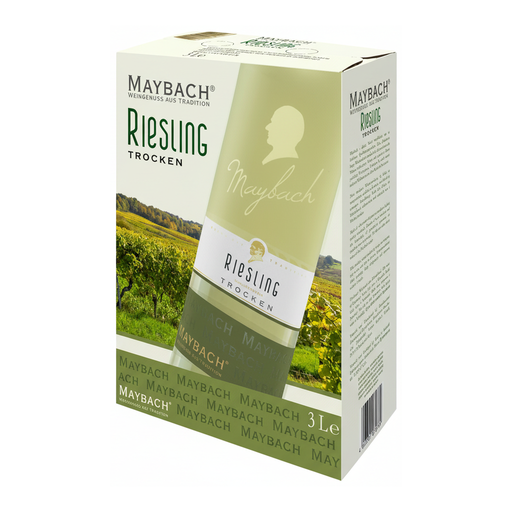
Why This Fits Their Persona: Ideal for social gatherings or regular enjoyment. The 3-litre Bag-in-Box offers excellent value for money and keeps the wine fresh for weeks.
The clear declaration as a dry quality wine from an established brand provides a reliable taste expectation, avoiding the "Dry" Trap. The packaging prevents oxidation.
Long shelf life after opening; convenient tap; aromas of apricot and peach.
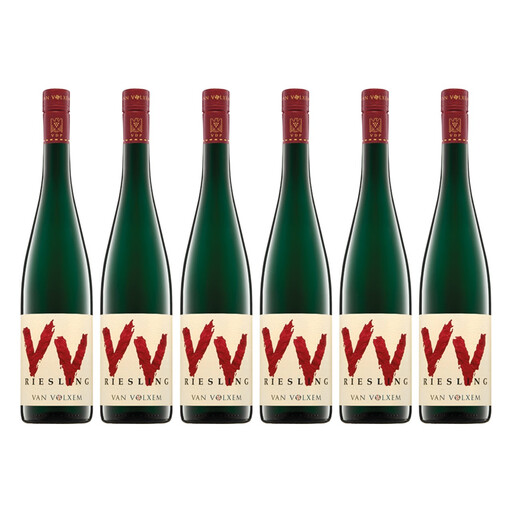
Why This Fits Their Persona: For wine drinkers who value terroir and finesse. This wine from a renowned estate represents the elegant, mineral style of the Saar region.
This wine avoids the Origin Fallacy by clearly highlighting its specific origin (Saar) and the associated style. The quality is tied to the terroir, not a generic label.
Pronounced minerality and elegance; an expression of the unique Saar terroir; from a highly respected producer.
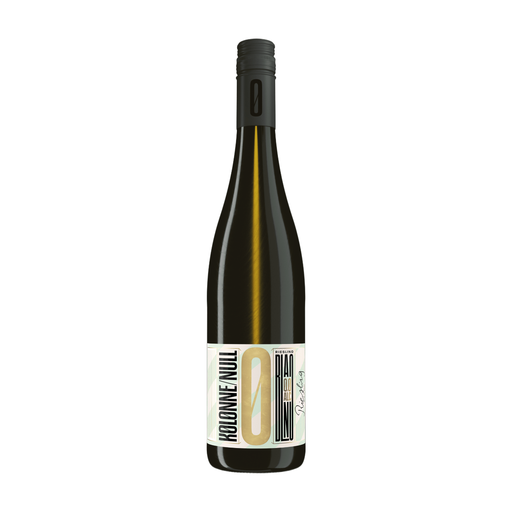
Why This Fits Their Persona: For those who abstain from alcohol but not from style and taste. This certified organic, dealcoholized Riesling from a modern brand captures the current zeitgeist.
This is not grape juice. The gentle dealcoholization process preserves the varietal aromas, creating a complex alternative to alcoholic wines. The organic seal (DE-?KO-039) is a clear mark of quality.
Guaranteed 0.0% alcohol; certified organic; refreshing taste with mineral notes and a crisp acidity.
If you're searching for other wines that meet our selection criteria, you can find a comprehensive collection here.
1. How long does an opened bottle of Riesling last? An opened bottle of Riesling should be tightly sealed and stored in the refrigerator. A dry, high-acid Riesling will last for about 3 to 5 days. Wines with more residual sugar may stay fresh a bit longer. A Bag-in-Box package protects the wine from oxygen and easily keeps the contents fresh for 3 to 4 weeks after opening.
2. What exactly does "feinherb" mean for Riesling? Unlike "trocken" (dry) or "halbtrocken" (off-dry), the term feinherb is not precisely defined in German wine law. In practice, winemakers use it for wines that have a subtle residual sweetness above the "dry" range but are often perceived as more harmonious and less sweet than "halbtrocken." A feinherb Riesling is often a great compromise for those who find dry wines too austere and off-dry wines too sweet.
3. At what temperature should you drink Riesling? The ideal serving temperature depends on the style of the Riesling. Light, dry, and young Rieslings, as well as sparkling Riesling (Sekt), best unfold their freshness at a temperature of 8–10 °C. More powerful, complex, or aged dry Rieslings, as well as wines with residual sweetness, can be served slightly warmer at 10–12 °C to allow their aromatic complexity to develop more fully.